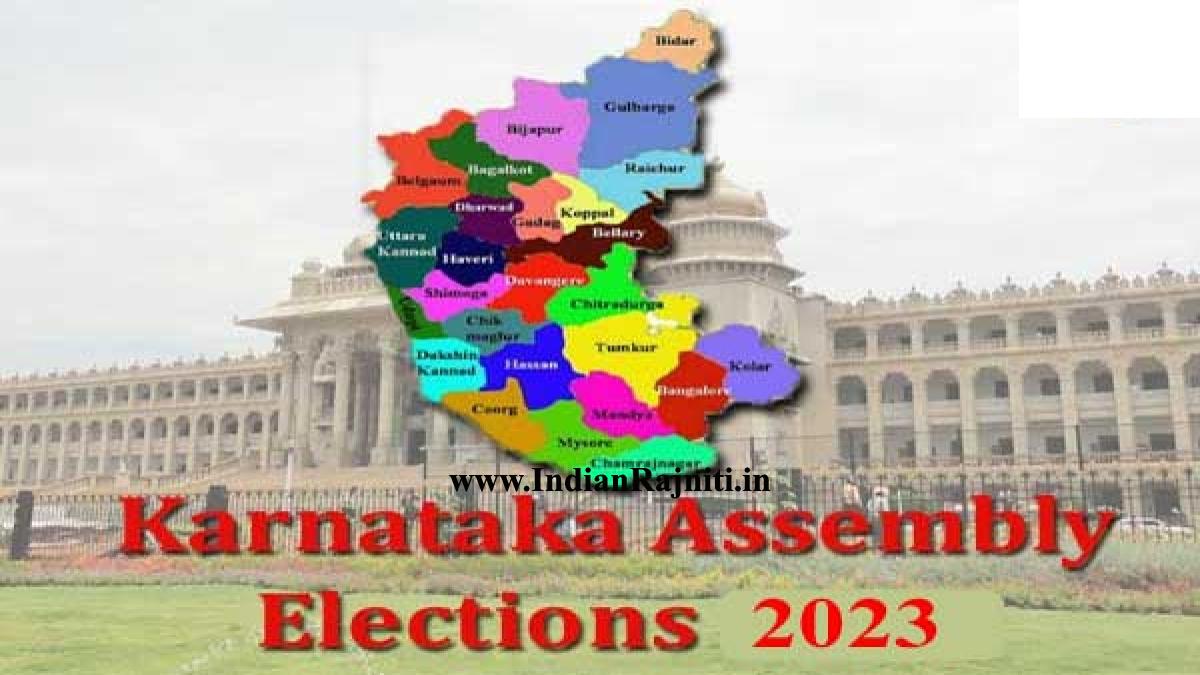
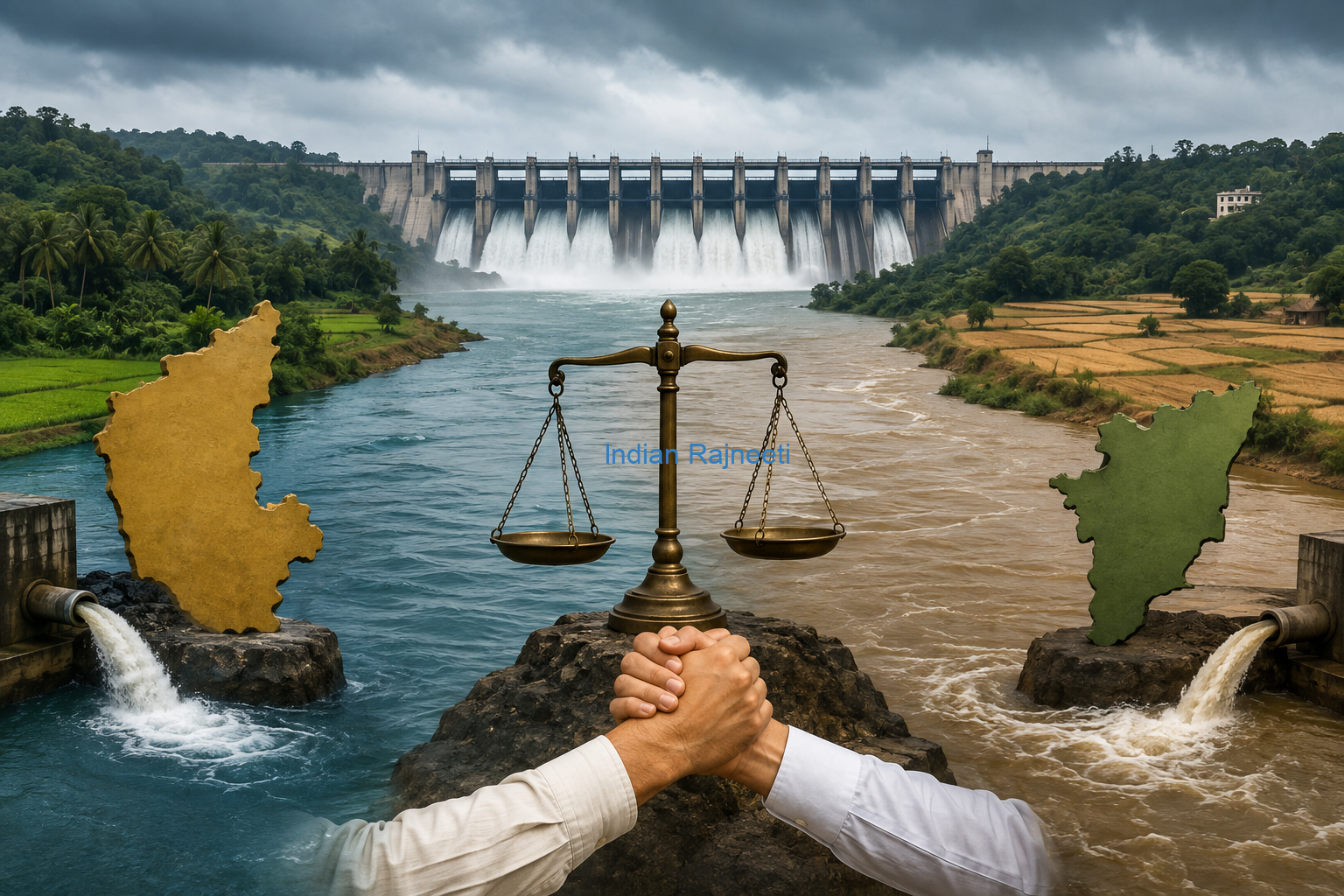
Karnataka bandh called over the Cauvery water dispute and demands to protect the state's water interests.
BENGALURU: Karnataka is preparing for a statewide bandh on Thursday, August 13, 2026, following a call by Kannada organisations protesting the Cauvery water release to Tamil Nadu and demanding stronger action to protect Karnataka’s water interests.
The proposed bandh is scheduled from 6:00 AM to 6:00 PM. However, the extent of the shutdown remains uncertain because several organisations have reportedly withdrawn or reduced their support, creating questions over how widely the protest will affect transport, businesses and other services.
The immediate trigger for the bandh is the latest direction concerning the Cauvery water dispute.
The Cauvery Water Management Authority (CWMA) has upheld a direction requiring Karnataka to ensure that 12,000 cusecs of water reaches Biligundlu on the Karnataka–Tamil Nadu border for 15 days.
Karnataka has opposed the order, citing water scarcity, declining reservoir inflows and hydrological stress.
The state has argued that its own water requirements, particularly drinking water and agriculture, must be taken into consideration before imposing a substantial release requirement.
The Cauvery issue has therefore once again become a major political and public issue across Karnataka.
Although the immediate focus is the Cauvery water release, the bandh call also highlights Karnataka’s demands concerning other major interstate water and irrigation projects.
The main issue is Karnataka’s opposition to the requirement to ensure 12,000 cusecs reaches Biligundlu for 15 days.
Karnataka maintains that its reservoirs are under pressure and that water must be conserved for the state’s own requirements.
Tamil Nadu, meanwhile, maintains that it needs the water under the established Cauvery water-sharing framework.
The Mekedatu project is another major issue in Karnataka’s water politics.
The proposed project involves a reservoir and drinking-water infrastructure on the Cauvery near the Karnataka–Tamil Nadu border.
Karnataka has argued that the project would help address Bengaluru’s long-term drinking-water requirements while also contributing to water management.
Tamil Nadu has strongly opposed the project, particularly over concerns about its potential impact on downstream Cauvery flows.
The bandh call also includes demands concerning the Mahadayi river dispute and the Kalasa-Banduri project.
Karnataka has long sought to divert water from the Mahadayi basin to address drinking-water requirements in parts of North Karnataka.
The issue has been politically sensitive because it involves competing water claims between Karnataka, Goa and Maharashtra.
The Karnataka government is currently examining its response to the CWMA direction.
Deputy Chief Minister and Water Resources Minister D.K. Shivakumar has held discussions with ministers, Congress leaders, senior officials and legal experts regarding the state’s options.
The government is examining:
The Karnataka Cabinet is also expected to discuss the Cauvery issue.
The bandh comes at a politically sensitive moment.
The Cauvery dispute has historically generated strong public sentiment in both Karnataka and Tamil Nadu. Decisions involving water releases can quickly lead to protests by farmers, political organisations and Kannada groups.
The August 13 bandh is therefore being seen as a demonstration of pressure on the Karnataka government to take a stronger position on the state’s water interests.
One important point is that the bandh does not have unanimous support from all organisations.
Some Kannada organisations have reportedly withdrawn or reduced their support, creating uncertainty over the scale of the shutdown.
Therefore, while the bandh has been called statewide, it should not automatically be assumed that every district, business, school, office or transport service will shut down.
The actual impact will depend on the participation of individual organisations, transport unions, businesses and local groups.
Bengaluru could experience disruptions, particularly during the bandh hours.
Possible areas of impact include:
However, the level of disruption will depend on the participation of transport and business associations.
Residents planning important journeys should therefore check with their individual transport provider or organisation before travelling.
There has been uncertainty surrounding educational institutions.
Some organisations had earlier called for schools to remain closed, but that position has subsequently changed in some quarters.
Therefore, parents and students should check directly with their school or college for the latest decision rather than assuming that all educational institutions will be closed.
There is no basis to assume that all private companies and IT companies will automatically remain closed.
Many Bengaluru-based technology companies may decide independently whether employees should:
Employees should follow their company’s official communication.
Essential services such as hospitals, emergency medical facilities and other critical services are generally expected to continue functioning.
The bandh is primarily a protest and shutdown call, and the actual operation of individual services can vary according to local circumstances and organisational participation.
Farmers are among the key stakeholders in the dispute.
Farmers in the Cauvery basin have raised concerns that releasing large quantities of water to Tamil Nadu could affect Karnataka’s ability to provide sufficient water for local agriculture.
The issue is particularly sensitive in districts associated with the Cauvery irrigation system, including Mandya and surrounding areas.
For farmers, the debate is not only about interstate water-sharing obligations but also about whether sufficient water will remain available for standing crops and future irrigation needs.
At the heart of the controversy are two competing concerns.
Karnataka’s argument:
The state is experiencing water stress and must protect drinking water, agriculture and reservoir storage.
Tamil Nadu’s argument:
Karnataka must comply with the established Cauvery water-sharing mechanism and ensure adequate downstream flows.
The CWMA’s latest direction has brought these competing positions back into sharp focus.
The proposed shutdown period is:
Thursday, August 13, 2026
6:00 AM to 6:00 PM
During this period, protesters and supporting organisations may hold:
The scale of these activities may vary considerably from one location to another.
The Karnataka government faces a difficult balancing act.
It has to respond to the CWMA direction while also addressing pressure from:
Farmers
Kannada organisations
Political parties
Water-rights activists
Cauvery-basin communities
At the same time, the government must avoid actions that could unnecessarily escalate the interstate dispute or create legal complications.
The major demands being highlighted by supporters include:
The most important developments will be:
1. Actual participation in the statewide bandh
2. Public transport operations in Bengaluru and other cities
3. Protests in Cauvery-basin districts
4. Karnataka government’s response to the CWMA direction
5. Any new legal move by Karnataka
6. Statements from Tamil Nadu’s government
7. Developments concerning Mekedatu, Mahadayi and Kalasa-Banduri
The August 13 Karnataka bandh comes at a critical point in the state’s long-running water disputes.
The immediate trigger is the 12,000-cusec Cauvery water-release direction to Tamil Nadu, but the protest also reflects wider demands concerning Mekedatu, Mahadayi and Kalasa-Banduri.
While organisers have called for a 6 AM to 6 PM statewide shutdown, the actual impact remains uncertain because support among Kannada organisations is divided.
For the Karnataka government, the challenge is to balance interstate water-sharing obligations with the state’s own drinking-water, agricultural and reservoir requirements.
The bandh is therefore more than a one-day protest: it represents the continuing political sensitivity of Karnataka’s water rights and the unresolved tensions surrounding the state’s major interstate river disputes.
Suggested SEO title:
Karnataka Bandh August 13: Cauvery Water Row Explained
Suggested URL slug:karnataka-bandh-august-13-cauvery-water-dispute
Suggested focus keyword:
Karnataka Bandh August 13 2026
Suggested excerpt:
Karnataka has called a statewide bandh on August 13 over the Cauvery water dispute, with protesters demanding protection of Karnataka’s water interests and action on Mekedatu, Mahadayi and Kalasa-Banduri projects.
The Jammu and Kashmir Legislative Assembly passed a resolution on September 28, 2026, seeking the…
The Biju Janata Dal (BJD) staged a major protest in Bhubaneswar on September 28 against…
The Karnataka Congress is set to begin an 84-day statewide foot march on September 30,…
Political debate in Uttar Pradesh has intensified over the Election Commission of India (ECI) and…
The Maharashtra government has declared drought conditions in 265 of the state’s 358 talukas, covering…
The Tamil Nadu government led by Chief Minister C. Joseph Vijay has revoked an order…