
MPSC Paper Leak Controversy: Chairman Goes on Leave as Maharashtra Orders Judicial Inquiry
MPSC Paper Leak Controversy: Chairman Goes on Leave as Maharashtra Orders Judicial Inquiry
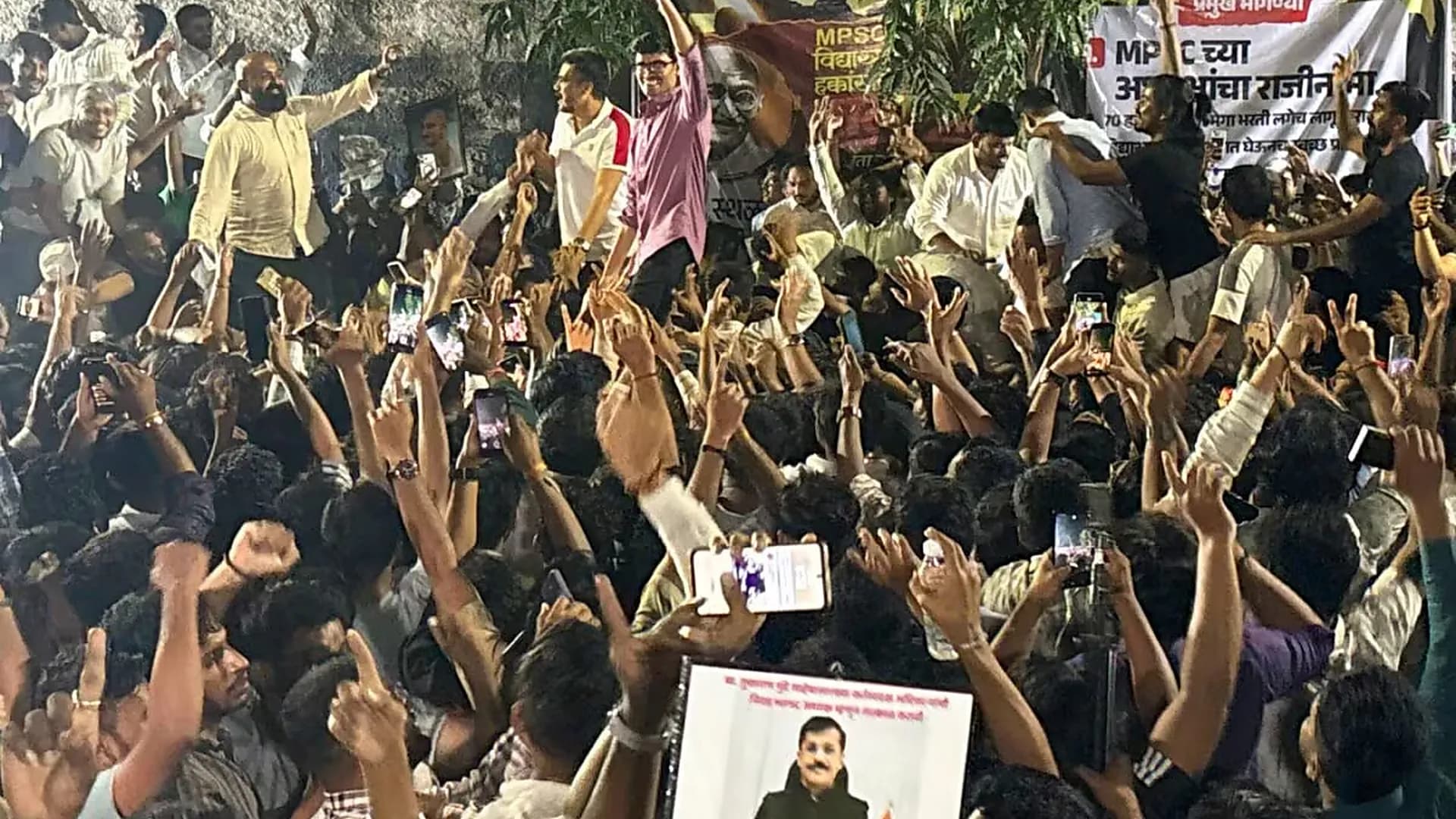
A controversy surrounding alleged irregularities in Maharashtra's government recruitment examinations has intensified after Maharashtra Public Service Commission (MPSC) chairman Vivek Bhimanwar announced that he would remain on leave while an inquiry into the matter is underway. The development follows sustained protests by examination aspirants in Pune, who have demanded accountability over alleged paper leaks and concerns about the recruitment process.
The Maharashtra government has announced a judicial inquiry into the allegations. The protests have brought renewed attention to the integrity of competitive examinations and the responsibilities of institutions involved in recruiting candidates for government positions.
Bhimanwar said he had decided to go on leave during the inquiry rather than continue holding office while the investigation proceeded. He also stated that the commission's autonomy, credibility and the welfare of students remained priorities.
The controversy has become an important issue for candidates who invest considerable time and money preparing for competitive examinations. It has also raised questions about how complaints involving examination security should be investigated and how authorities can maintain public confidence in recruitment procedures.
Why Are MPSC Candidates Protesting?
The protests concern allegations of paper leaks and irregularities in examinations conducted as part of Maharashtra's government recruitment process.
MPSC examinations provide a route for candidates seeking various government positions. Aspirants prepare for these examinations through extensive study, often over several years. Concerns about examination security can therefore affect not only individual candidates but also confidence in the wider recruitment system.
NCP (SP) MLA Rohit Pawar and MPSC aspirants had been protesting in Pune for approximately two weeks over alleged paper leaks. Their demands included the resignation of the commission's chairman following allegations relating to the Drug Inspector examination held in March 2026.
The allegations have not, by themselves, established that every examination involved was compromised. Determining the facts requires an investigation into the specific examinations, the evidence available and the circumstances in which the alleged irregularities occurred.
For candidates, the central concern is whether the recruitment process provides equal and fair opportunities to everyone who participates.
MPSC Chairman Announces Leave During Inquiry
Vivek Bhimanwar's announcement that he would remain on leave marks a significant development in the controversy.
According to his statement , Bhimanwar said the state government had announced a judicial inquiry into the MPSC paper-leak allegations. He explained that he had chosen to remain on leave while the inquiry was underway, citing his commitment to integrity and the commission's credibility.
The decision does not, by itself, establish responsibility for the alleged examination irregularities. An inquiry is intended to examine the available evidence and establish the relevant facts.
The outcome will be important in determining whether procedural failures occurred, who was responsible if wrongdoing is established and what corrective measures may be necessary.
The investigation may also provide an opportunity to examine whether existing safeguards are sufficient to protect examination papers, prevent unauthorised access and ensure that complaints are handled effectively.
For MPSC aspirants, a transparent inquiry could help clarify the circumstances surrounding the allegations and provide a clearer understanding of the steps being taken to protect the recruitment process.
Maharashtra Government Orders Judicial Inquiry
The Maharashtra government's decision to order a judicial inquiry is another major development in the case.
A credible investigation needs to establish what happened, examine the evidence and identify any administrative or procedural failures. It must also distinguish between allegations, verified findings and responsibility established through the appropriate process.
The inquiry will be particularly important because the controversy concerns a public recruitment institution whose credibility depends on fair and reliable examinations.
If irregularities are established, the findings could help authorities identify weaknesses in examination security and determine what changes are necessary. If particular allegations are not supported by evidence, the inquiry should clarify that as well.
A transparent process is important for avoiding speculation and ensuring that conclusions are based on evidence rather than political statements.
Join the discussion
Comments (0)