Kerala Politics
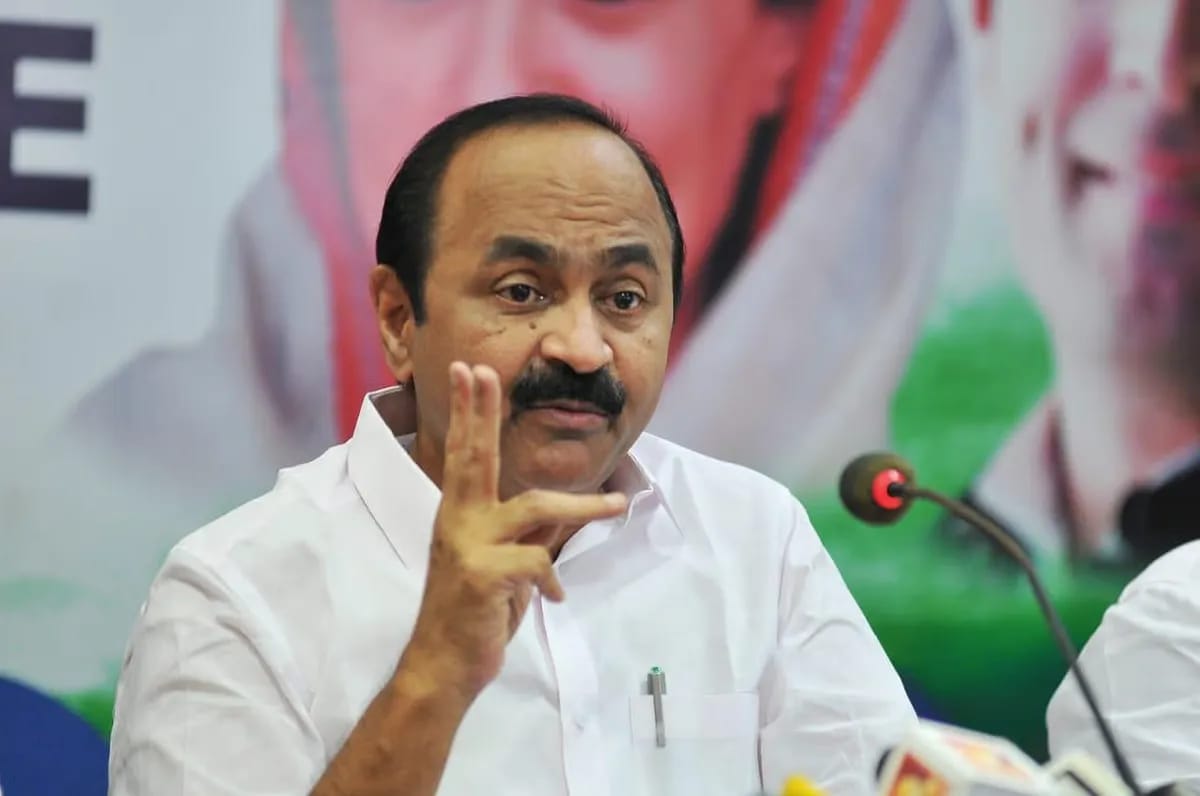
Kerala is governed by the Indian National Congress (INC), led by Chief Minister V. D. Satheesan. Track the latest political developments, policy decisions, and electoral dynamics shaping Kerala.
Current vs. Opposition

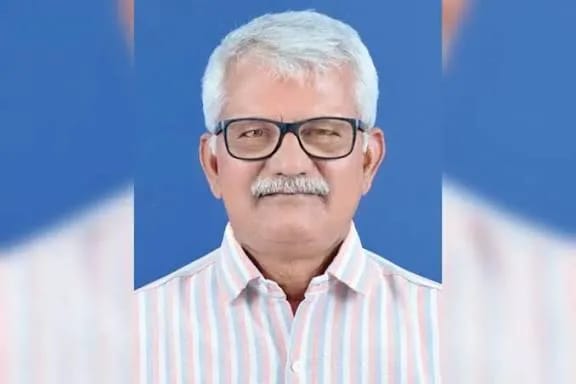
V. D. Satheesan
Chief Minister, Kerala — Indian National Congress (INC)
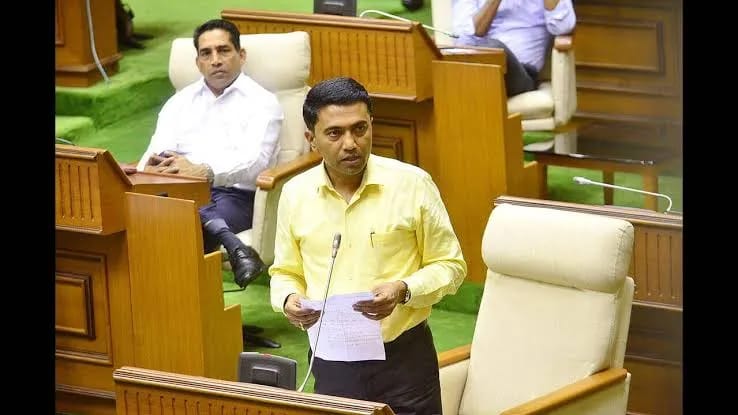
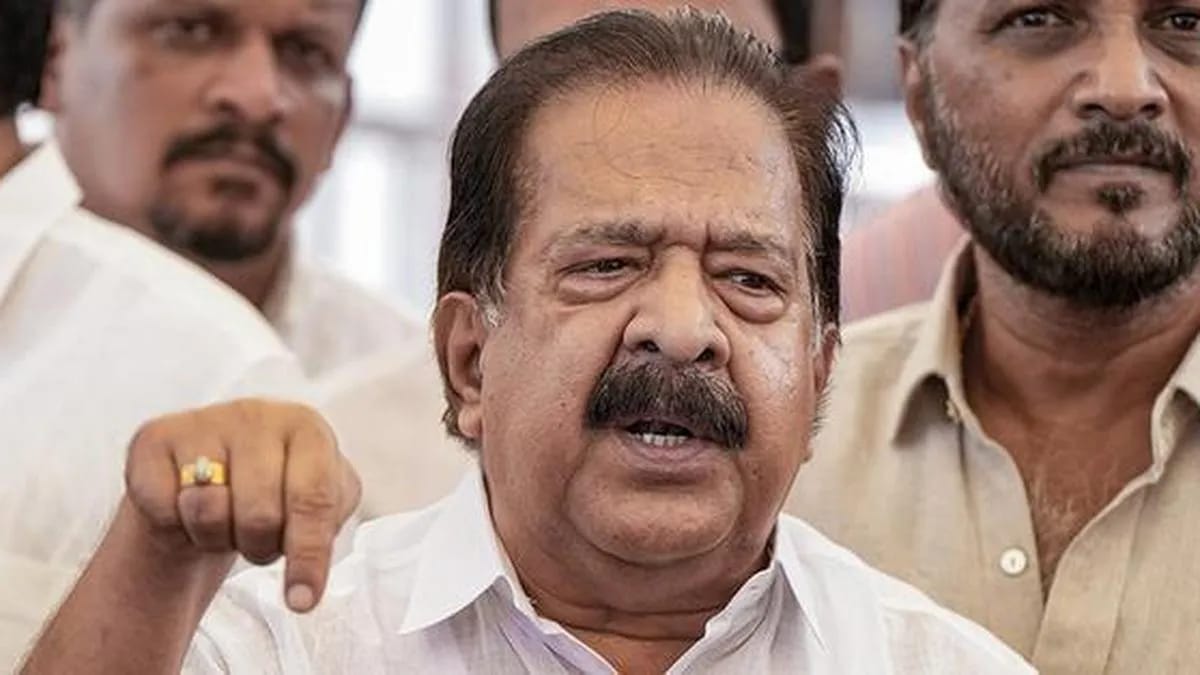
Pinarayi Vijayan
Opposition Leader — Communist Party of India (Marxist) – CPI(M), Kerala Assembly
History & Achievements
History
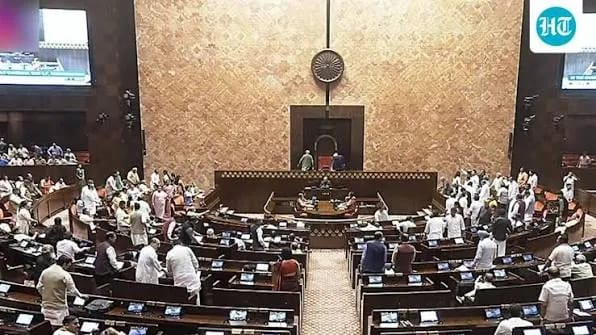
The political and legislative history of Kerala developed from representative institutions established in the former princely states of Travancore and Cochin. Travancore and Cochin were integrated on 1 July 1949 to form the State of Travancore-Cochin. After the States Reorganisation Act came into effect, Kerala was formed on 1 November 1956. The first Kerala Legislative Assembly was constituted on 1 April 1957 and held its first meeting on 27 April 1957. The first elected government was led by E. M. S. Namboodiripad of the Communist Party of India. The Kerala Legislative Assembly has since experienced governments led primarily by the Left Democratic Front and the United Democratic Front, along with periods of political change and President's Rule. Kerala's legislative history has included major reforms in land ownership, education, labour welfare, public health, local government and social welfare. The Kerala Legislative Assembly has completed fifteen full Assembly terms since 1957, and the sixteenth Assembly was constituted in 2026.
Achievements
Kerala is widely recognised for its achievements in education, healthcare, social development and human development. Education: Kerala has achieved very high literacy levels and has developed an extensive network of schools, colleges and higher-education institutions. Healthcare: The state has developed a broad public healthcare system and has historically achieved strong health indicators compared with many other Indian states. Social Development: Kerala has made significant progress in social welfare, public health, education and human development. Land Reforms: Land reform legislation played an important role in reducing traditional patterns of land concentration and improving the position of agricultural tenants. Local Self-Government: Kerala has developed a strong system of decentralised governance through Panchayats, Municipalities and other local institutions. Women and Social Development: The state has made significant progress in women's education, participation in social institutions and access to public services. Infrastructure: Kerala has developed extensive road, rail, airport, port and public-service infrastructure, supporting tourism, trade and economic activity. Tourism: Kerala is internationally known for its backwaters, beaches, hill stations, wildlife, Ayurveda and cultural heritage. Tourism is an important contributor to the state's economy. Information Technology: Kerala has developed major technology and innovation centres, including Technopark in Thiruvananthapuram and Infopark in Kochi. Culture and Heritage: Kerala has a distinctive cultural heritage including Kathakali, Mohiniyattam, Theyyam, Kalaripayattu, Malayalam literature, traditional architecture and numerous festivals. Current Political Leadership: V. D. Satheesan is the current Chief Minister of Kerala and belongs to the Indian National Congress. He became the 13th Chief Minister of Kerala in 2026 after the United Democratic Front formed the government following the 2026 Assembly election. He represents the Paravur Assembly constituency. Pinarayi Vijayan is the principal opposition leader following the 2026 political transition and represents the Communist Party of India (Marxist). He previously served as Chief Minister of Kerala from 2016 to 2026.
Kerala News
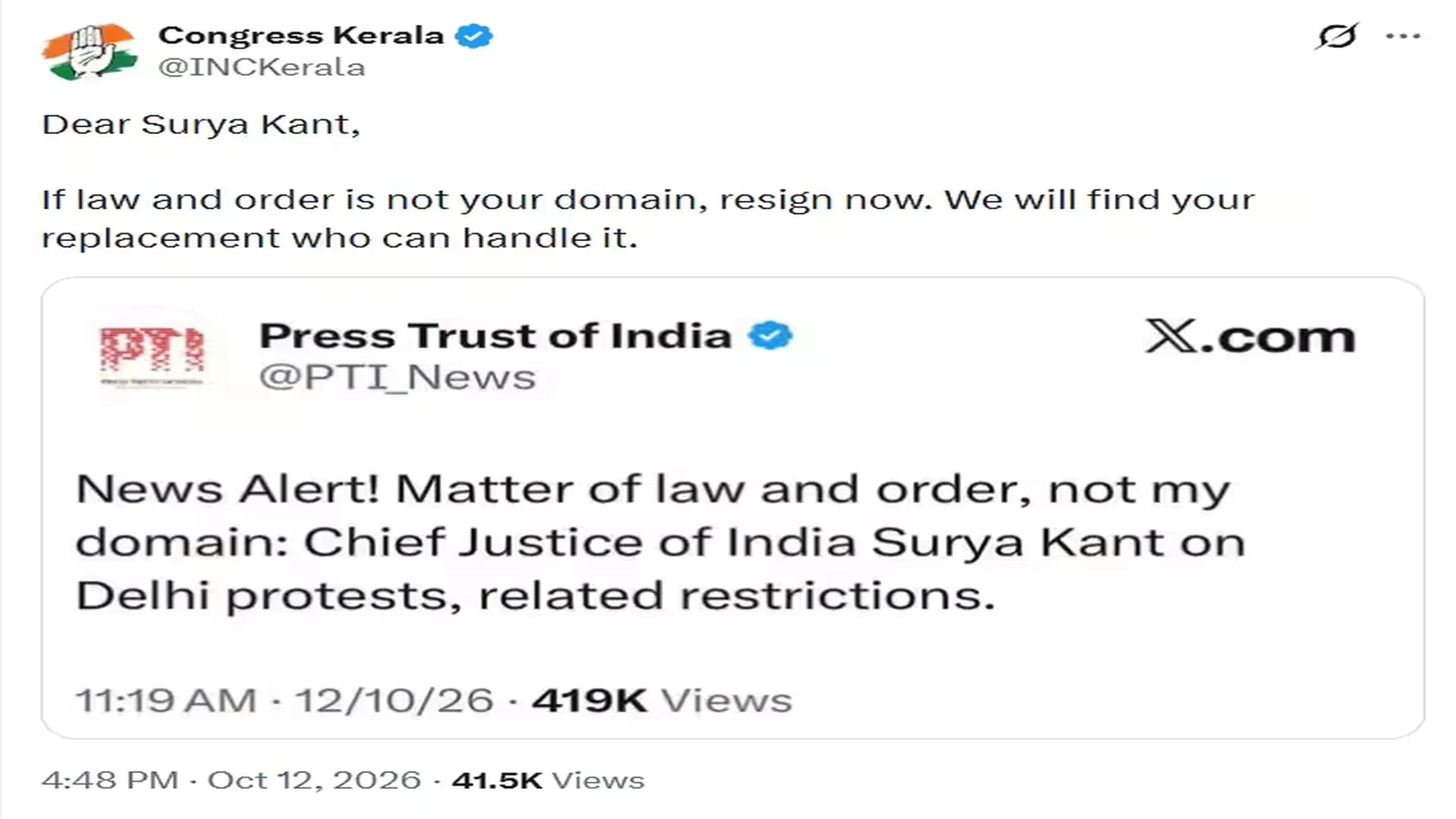
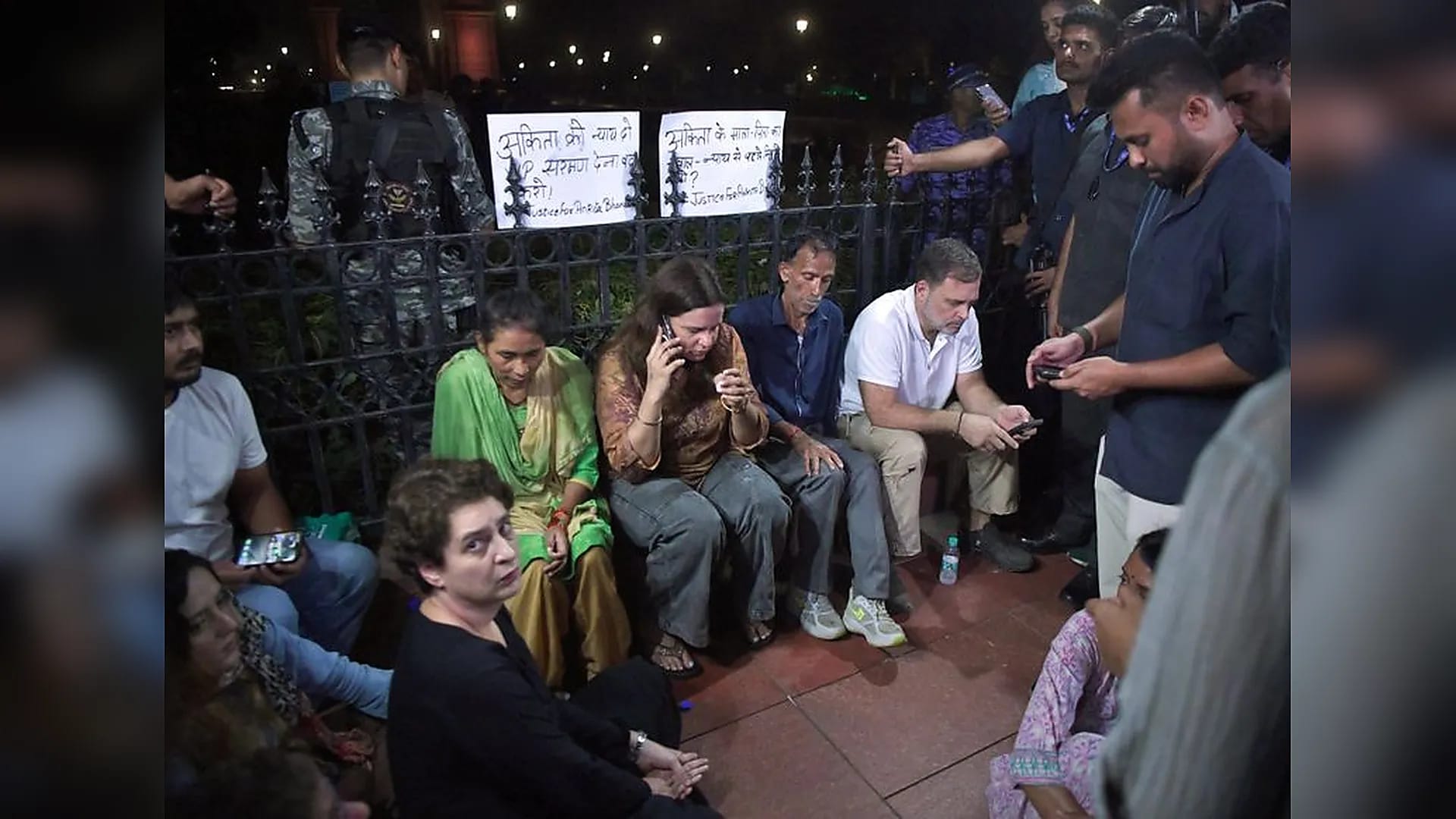
Kerala Congress Deletes Post Calling for CJI Surya Kant's Resignation, BJP Criticises Party
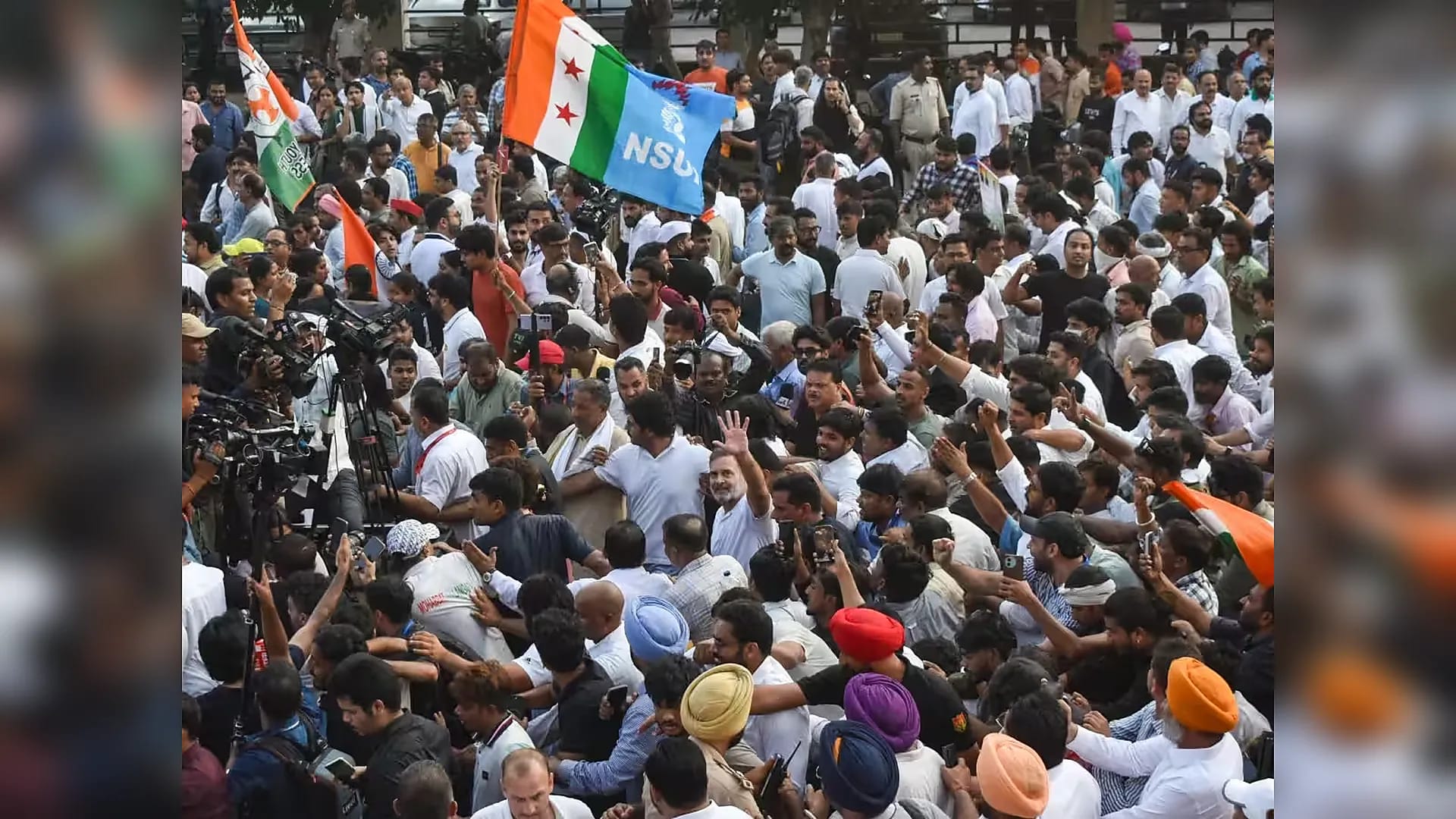
The Kerala unit of the Congress has come under political criticism after a social media post calling for Chief Justice of India Surya Kant's resignation was deleted. The episode has intensified the debate over political messaging and the independence of constitutional institutions.
By Shivani CH • 4 views