Rallies
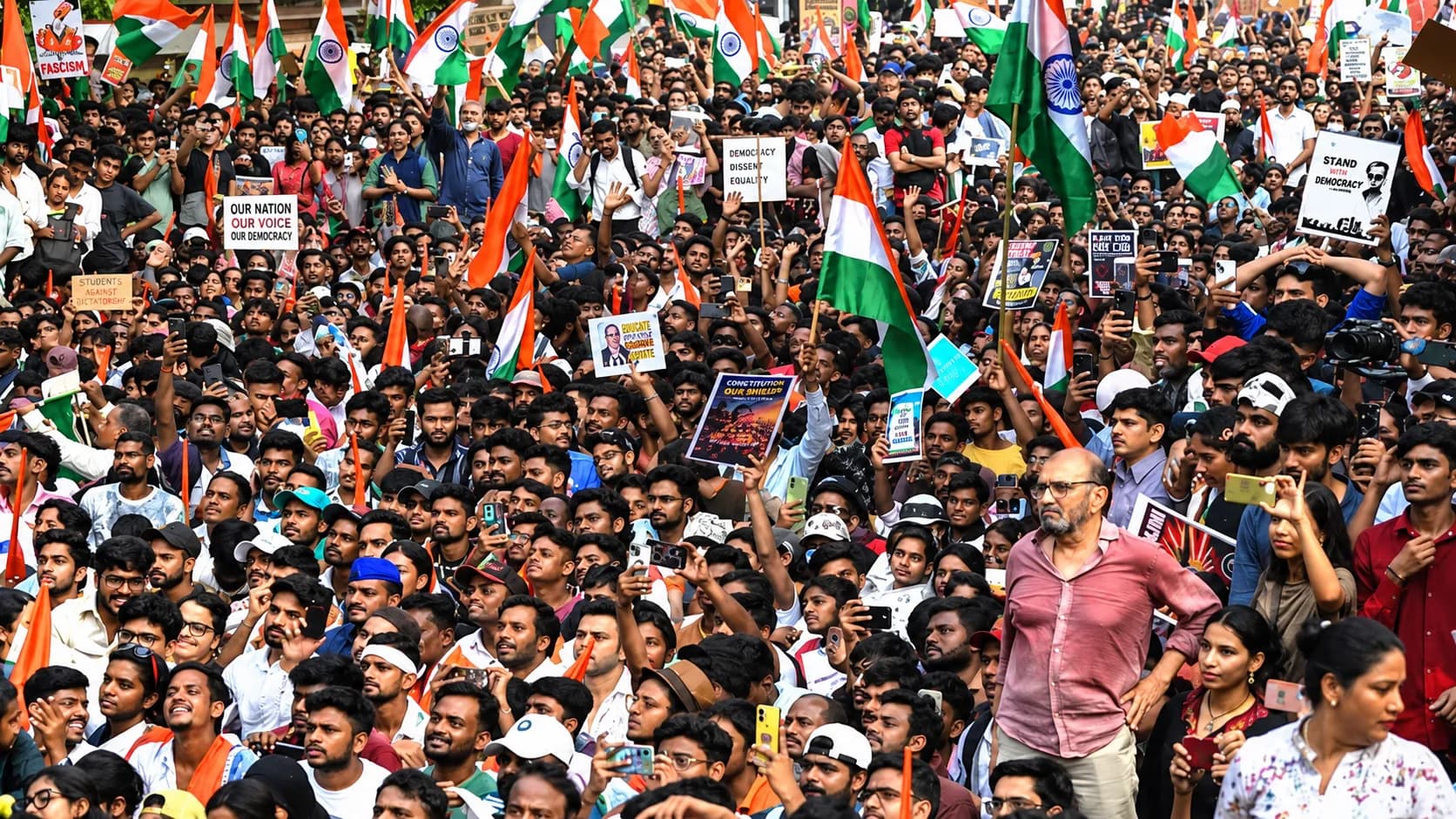
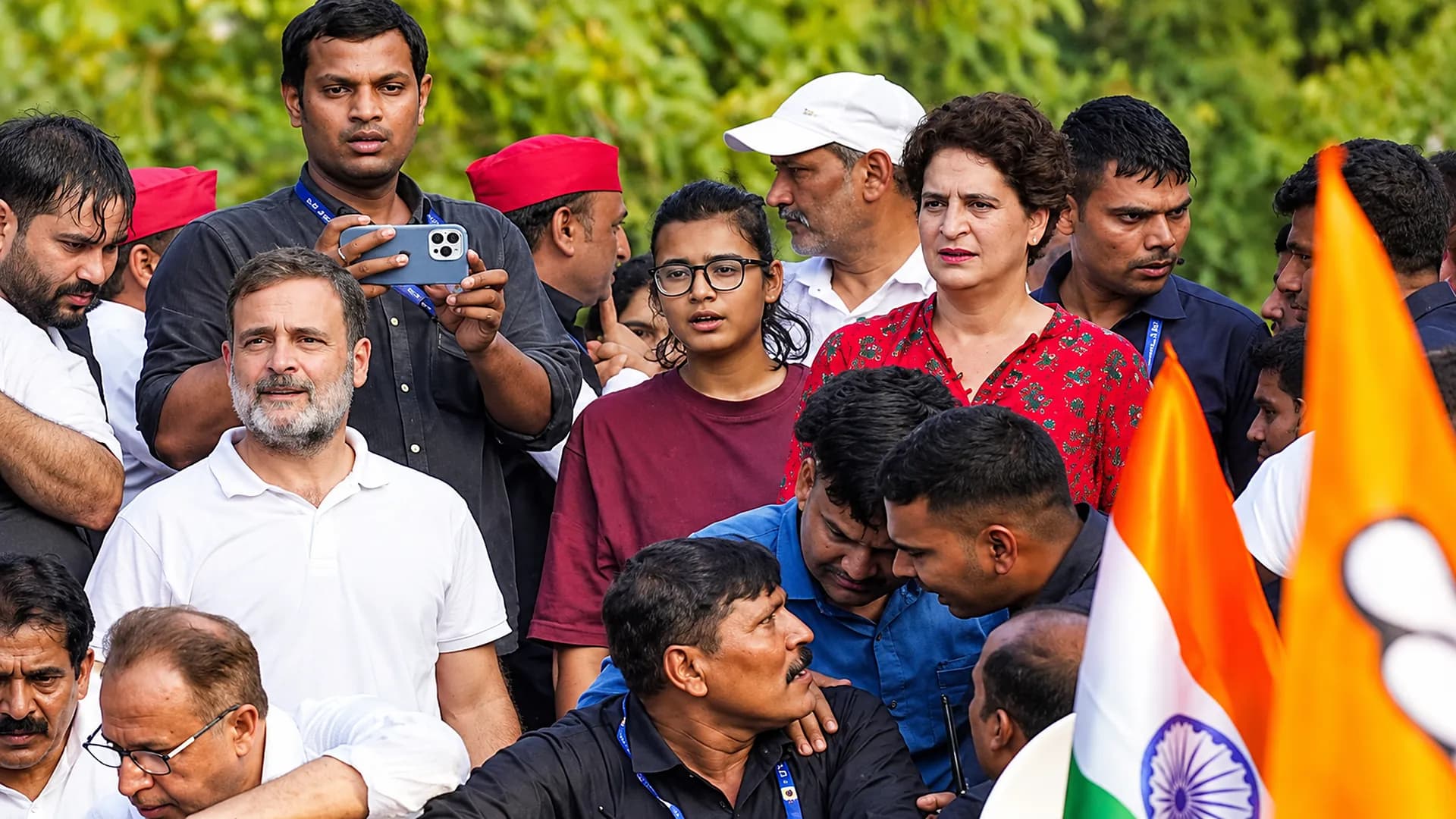
Public rallies are a central campaign tool across India, from large state gatherings to joint alliance events held before elections.
Current vs. Opposition
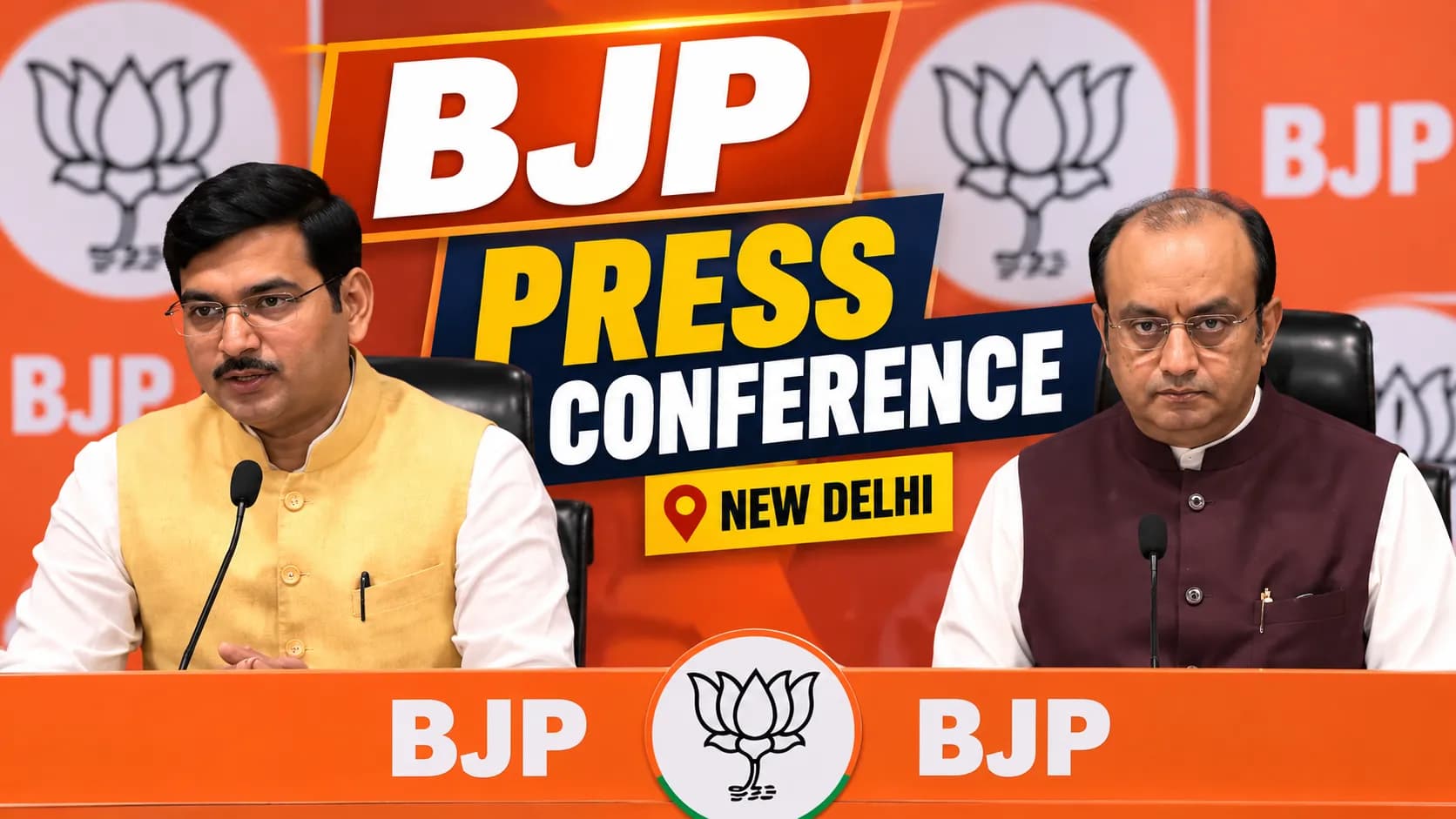
BJP-led NDA
Ruling alliance campaign rallies

INDIA Bloc
Opposition alliance joint rallies
Context
Political Rallies in India
Political rallies are an important part of India's electoral and political activities. Political parties and candidates use rallies to communicate their policies, discuss public issues, present campaign priorities and interact with citizens. These gatherings provide a platform for political speeches, public discussion and the introduction of candidates during election campaigns.
History of Political Rallies
Political gatherings have been part of India's political life since the freedom movement. Public meetings and large gatherings were used to spread political messages, raise awareness about independence and mobilise people around social and political causes. Leaders addressed communities to discuss self-government, civil rights and the future of the country.
After independence in 1947, political rallies became an established feature of India's electoral system. Political parties organised public meetings across constituencies to introduce candidates, explain party programmes and communicate with voters. As national and state elections developed, rallies became a regular part of campaign activities at local, regional and national levels.
State Rallies Before Assembly Elections
Before state assembly elections, political parties organise rallies across constituencies and districts to present their campaign priorities and introduce candidates. These events may feature national leaders, chief ministerial candidates, state party representatives and local organisers. Speeches commonly address state-specific concerns such as employment, agriculture, education, healthcare, infrastructure, public services and economic development.
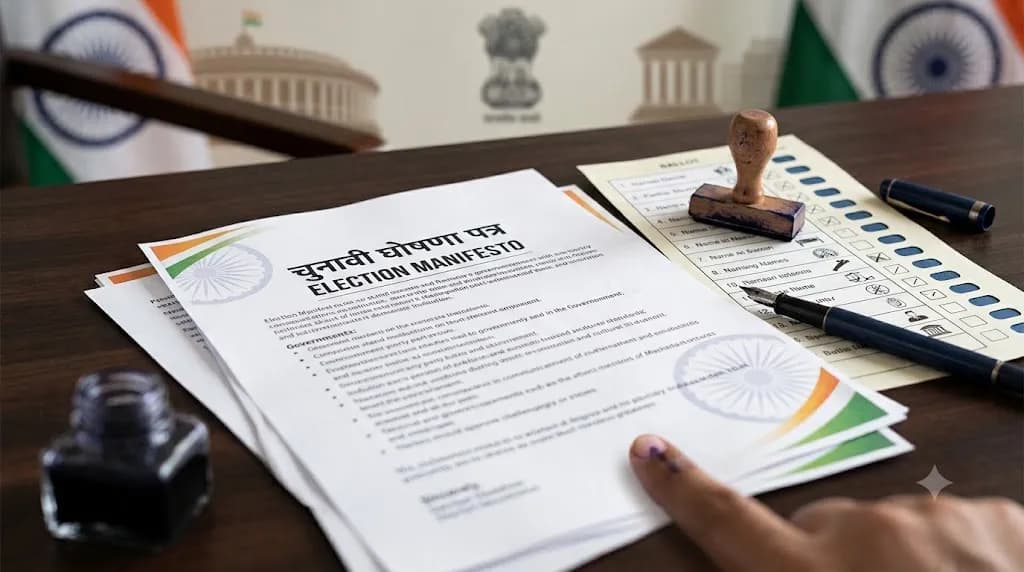
State election rallies also provide opportunities for parties to explain their manifestos, respond to public concerns and communicate their positions on regional issues. The topics discussed often reflect the political, economic and social priorities of the state where the rally takes place.
Joint Alliance and Opposition Rallies
Joint alliance rallies bring together leaders and representatives from two or more political parties to present shared political positions or campaign objectives. Such events may be organised during elections, coalition campaigns or public movements. Leaders can use these gatherings to explain areas of agreement, discuss common programmes and introduce candidates supported by their alliance.
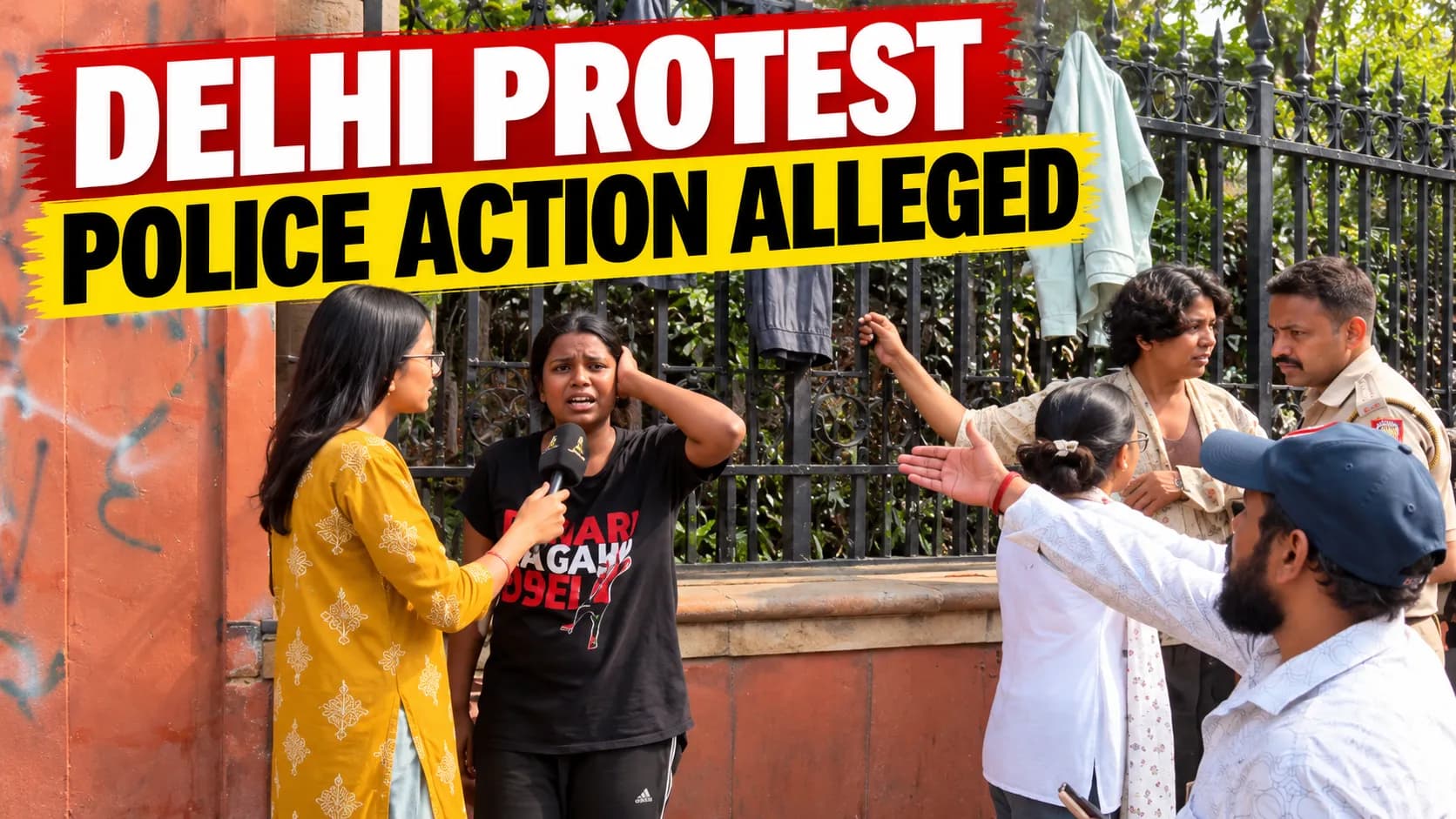
Opposition rallies provide a platform for parties outside the ruling government to express criticism of government policies, raise public concerns and present alternative proposals. The issues discussed may include governance, economic conditions, public welfare, constitutional matters and government accountability. Statements made at these rallies can become subjects of public debate and news coverage.
Youth-Wing and Voter-Awareness Rallies
Youth-wing rallies are organised by the youth organisations associated with political parties. They may focus on issues such as employment, education, skills development, entrepreneurship, sports and youth participation in public life. These events also provide opportunities for young party members to participate in political discussions and campaign activities.
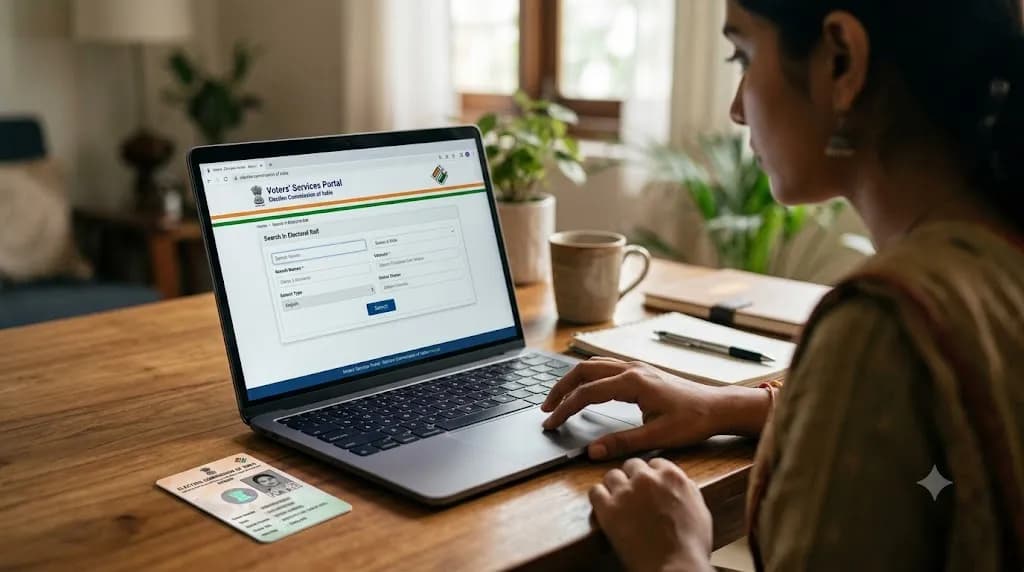
Voter-awareness rallies aim to inform citizens about electoral participation, voter registration and the importance of making informed decisions. Such activities may be conducted by election authorities, civil society organisations or other groups involved in voter education. Official voter-awareness initiatives can provide information about electoral procedures, voting rights and accessible participation in elections.
Role of Political Leaders in Rallies
National, state and local political leaders frequently participate in rallies to communicate their views and campaign messages. Senior leaders may travel to different constituencies to support party candidates, explain policies and address regional concerns. Local representatives also use rallies to discuss issues affecting their communities and respond to matters raised by residents.
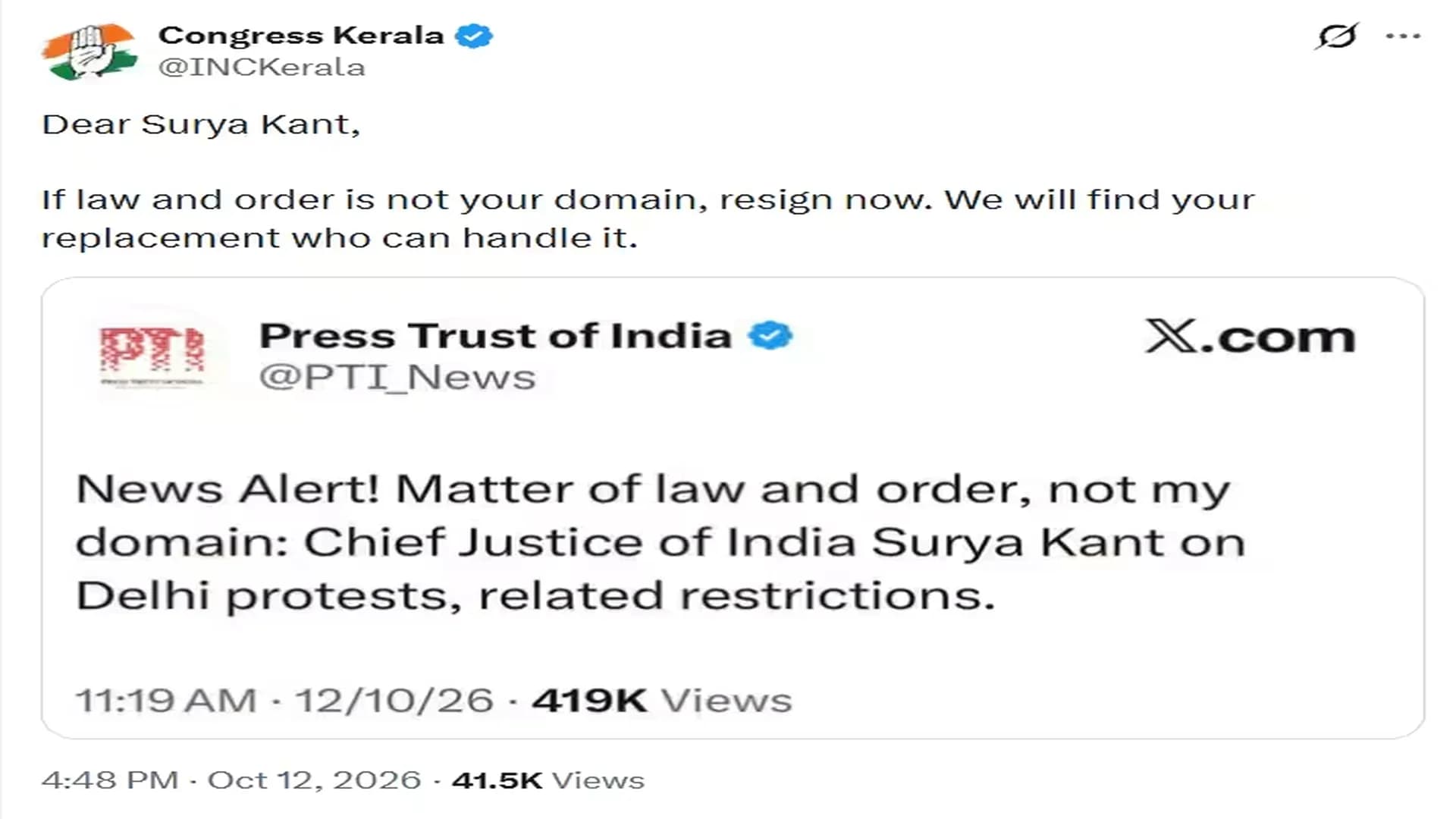
The messages delivered at rallies can influence public discussion and receive extensive media coverage. Political statements, campaign promises and allegations made during these events are often examined by journalists, political analysts and citizens as part of wider electoral debate.
Political Rallies and Technology
Technology has changed how political rallies are organised, broadcast and followed. Television coverage, online livestreams, social media posts and video-sharing platforms allow people to follow rallies without attending them in person. Political parties also use digital channels to announce events, share speeches and communicate campaign information.
Recorded speeches and short video clips can circulate widely after a rally, extending its reach beyond the original audience. However, short clips may not always include the full context of a statement. Reviewing complete speeches and checking claims against reliable reporting and official information can help audiences understand what was said.
Importance of Political Rallies
Political rallies remain a visible part of India's electoral and public life. They provide opportunities for parties to communicate policies, introduce candidates, discuss public issues and organise campaign activities. They also offer citizens a way to observe political arguments and learn about the positions presented by different parties.
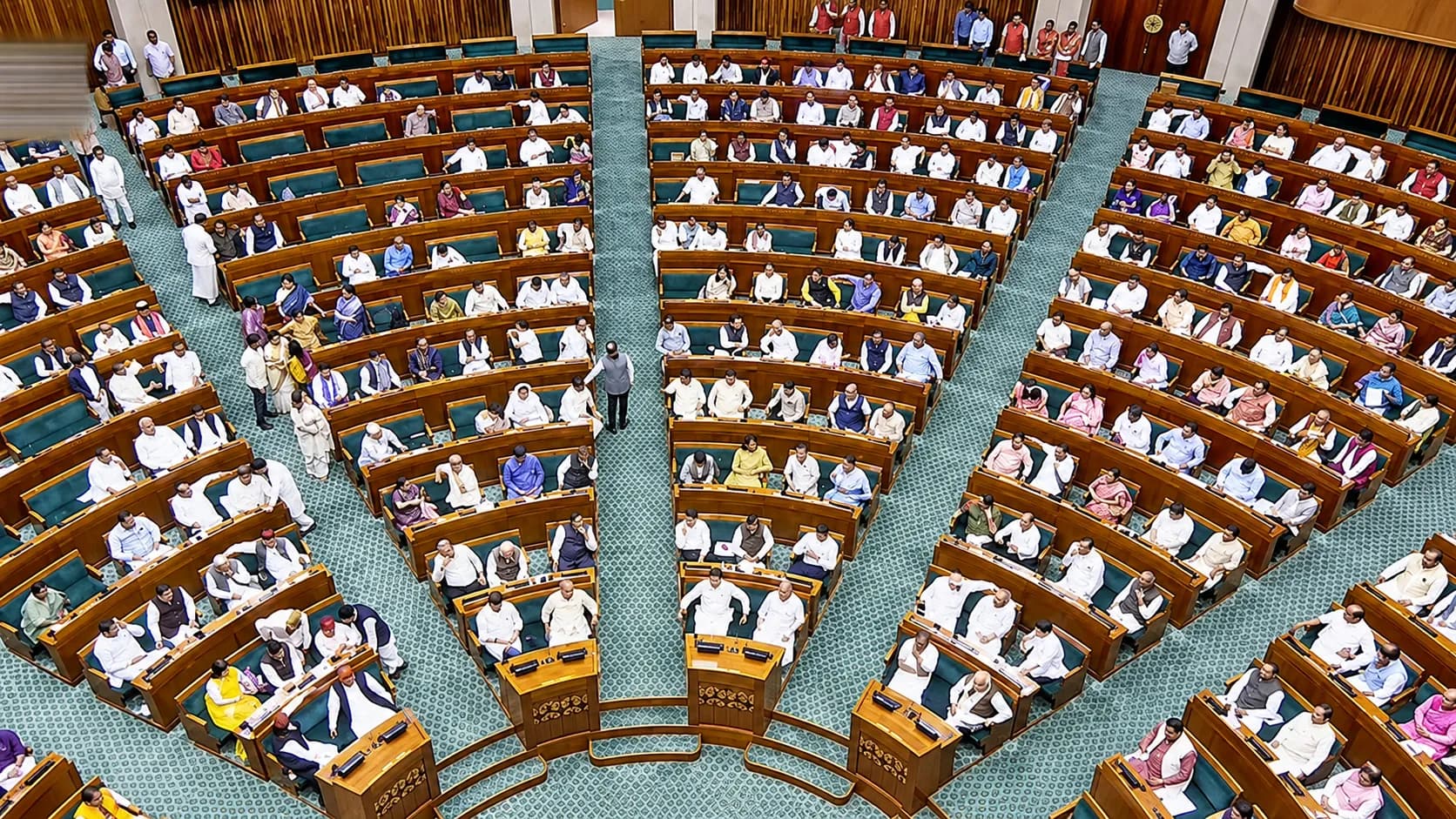
Rallies are one part of the broader democratic process, alongside manifestos, public debates, media interviews, parliamentary proceedings and direct engagement with elected representatives. Understanding the purpose and context of rallies helps readers follow election campaigns and evaluate the political messages communicated at these events.