Wedding Invitation or Political Conspiracy? Y.S. Sharmila Hits Back at Sakshi, Raises Questions Over Media Ethics
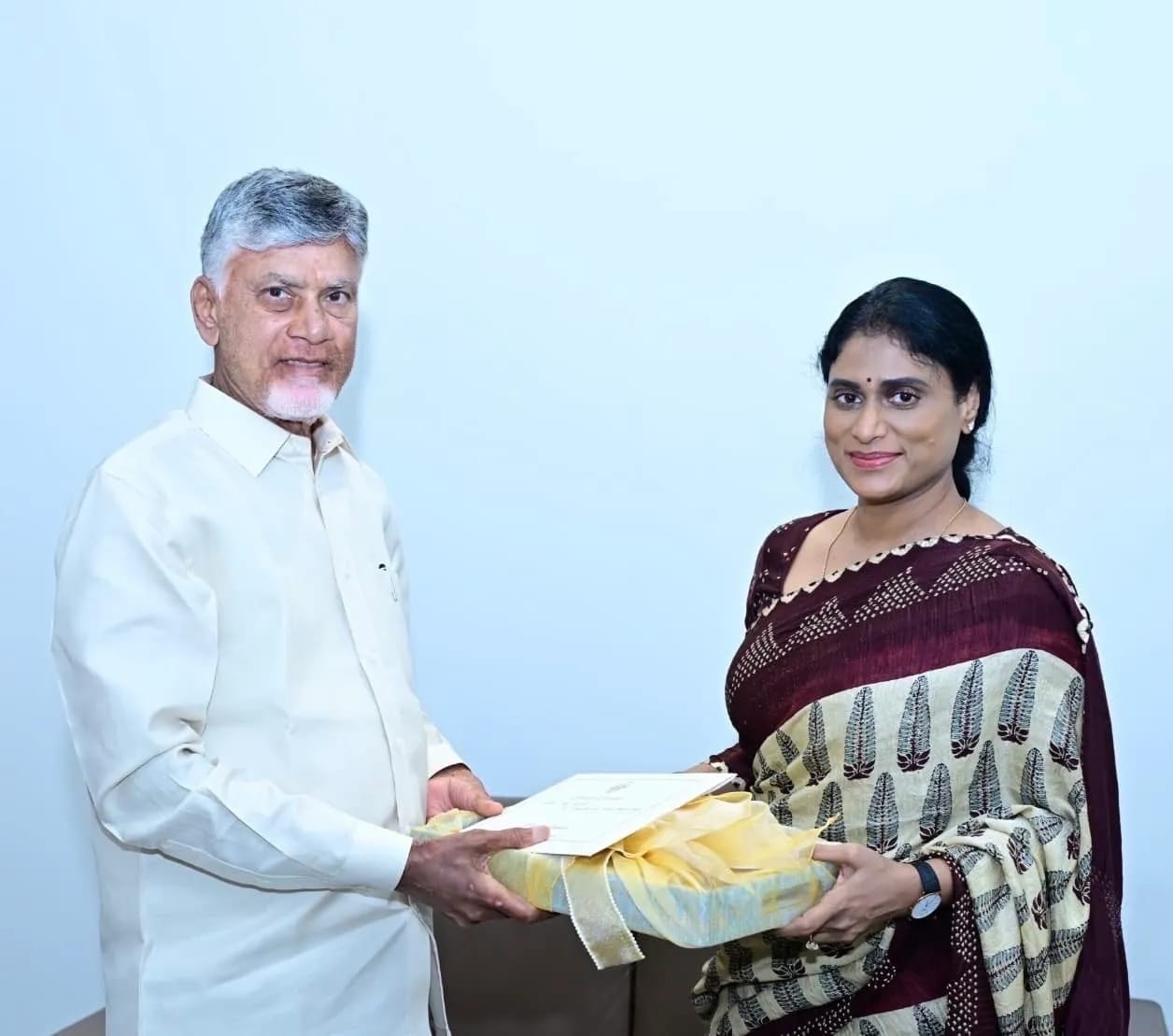
Sharmila's Strong Response to Sakshi
Sharmila objected to the newspaper's coverage, describing it as an attempt to give political and personal interpretations to a family occasion. She questioned why inviting a sitting Chief Minister to her daughter's wedding should become a subject of controversy.
In her public response, she questioned YSRCP president Y.S. Jagan Mohan Reddy over whether he supported the newspaper's editorial approach. She also expressed concern that the report crossed the boundaries of responsible political journalism and affected her personal dignity.
Political Differences Should Not Define Family Invitations
Sharmila's strongest argument is that political rivalry and personal relationships are two different matters.
Inviting leaders from different political parties to a family wedding is not unusual in Indian political culture. A wedding invitation is a social gesture, not necessarily an indication of political alignment or a secret political understanding.
Sharmila's decision to invite Chandrababu Naidu should therefore be viewed in the context of a family celebration rather than automatically interpreted as a political development.
Why Sharmila Invoked YSR's Political Legacy
Sharmila also recalled her father, former Chief Minister Y.S. Rajasekhara Reddy, and his approach towards political relationships. She pointed to YSR's interactions with political opponents, including Chandrababu Naidu, to question the criticism surrounding her invitation.
Her argument raises an important question: if political opponents can maintain social courtesy and mutual respect, why should a family invitation become controversial?
A Bigger Question for Sakshi
Political newspapers have every right to question leaders, examine their decisions and publish critical reports. However, criticism should be supported by facts and presented with fairness.
Sharmila's response has put the focus on an important issue: should personal family occasions be given political interpretations without sufficient evidence?
The newspaper's editorial position can be questioned and debated, just as any political leader's decisions can be scrutinised.
Conclusion: Sharmila Demands Respect, Not Political Sympathy
This controversy is bigger than an invitation card. It raises questions about the treatment of women in politics, the boundaries of political journalism and the difference between public accountability and personal commentary.
Sharmila has made her position clear: inviting a political leader to a family wedding should not automatically invite speculation about her political intentions.
Political opponents may disagree on public issues, but basic social courtesy should not become a political offence. A wedding invitation deserves to be treated as a wedding invitation unless there is credible evidence of something more.

Join the discussion
Comments (0)