Bahujan Samaj Party
Bahujan Samaj Party (BSP), founded in 1984, is a major political party in India. Explore its latest activities, statements, and role in the current political landscape.
Current vs. Opposition
Bharatiya Janata Party (BJP)
Ruling Party (National)
Bahujan Samaj Party (BSP)
Opposition Party
History & Achievements
The Bahujan Samaj Party is a social-justice and Ambedkarite political movement that seeks political, social and economic empowerment of historically disadvantaged communities.
1995 | 1997 | 2002–2003 | 2007–2012
History
The Bahujan Samaj Party was founded by Kanshi Ram on 14 April 1984, the birth anniversary of Dr. B.R. Ambedkar. The party emerged from the wider social and political movement developed by Kanshi Ram to organise historically disadvantaged communities and increase their political representation.
Before establishing the BSP, Kanshi Ram had worked through organisations including the BAMCEF and the Dalit Shoshit Samaj Sangharsh Samiti (DS-4). These organisations helped develop the organisational and political base from which the BSP emerged.
The party initially concentrated its political activities in Uttar Pradesh and other parts of North India, particularly among Dalit communities. During the late 1980s and early 1990s, the BSP expanded its electoral influence and became an important force in Uttar Pradesh politics.
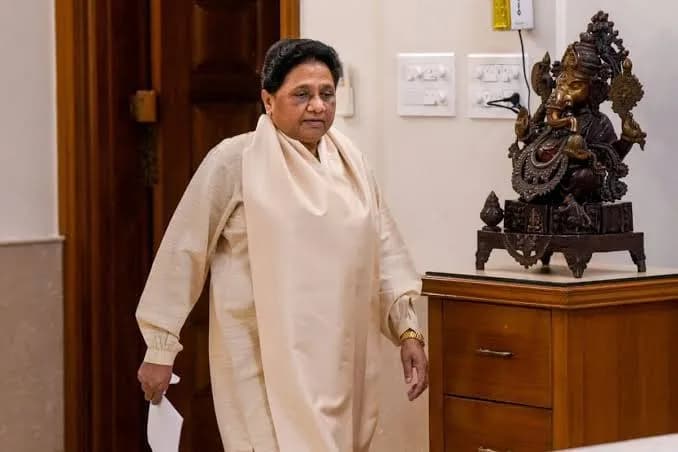
Mayawati emerged as the party's most prominent political leader. She first became Chief Minister of Uttar Pradesh in 1995, becoming the first Dalit woman to serve as Chief Minister of the state.
The BSP subsequently formed governments in Uttar Pradesh through different political arrangements. Mayawati served as Chief Minister again in 1997 and 2002–2003.
The party achieved its strongest electoral performance in the 2007 Uttar Pradesh Assembly election, when it won a clear majority and formed the government on its own. Mayawati served a full five-year term from 2007 to 2012.
The 2007 election was particularly significant because the BSP successfully expanded its social coalition beyond its traditional Dalit support base. The party promoted a broader electoral strategy involving Dalits, OBCs, minorities and sections of upper-caste voters.
After 2012, the BSP's electoral strength in Uttar Pradesh declined. It remained an important political organisation but lost its position as the leading governing party in the state.
In the 2019 Lok Sabha election, the BSP won 10 seats in Uttar Pradesh while contesting in alliance with the Samajwadi Party.
In the 2022 Uttar Pradesh Assembly election, the BSP's representation declined sharply, with the party winning only one Assembly seat.
In the 2024 Lok Sabha election, the BSP failed to win a Lok Sabha seat, marking a significant decline from its earlier parliamentary presence. The Election Commission maintains the official election results and party records.
The BSP continues to be led by Mayawati and remains politically active, particularly in Uttar Pradesh, while seeking to rebuild its electoral organisation and social coalition.
Bahujan Samaj Party News
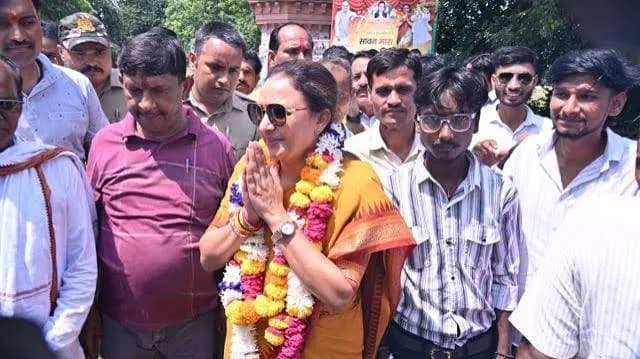
Alliance or Revival? Why Congress Faces a Deep Dilemma in Uttar Pradesh
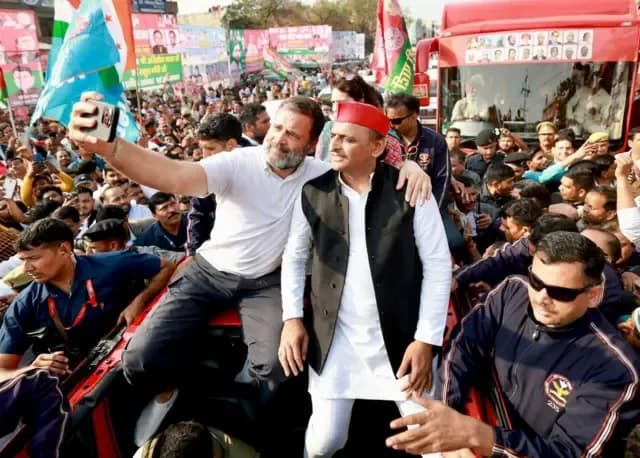
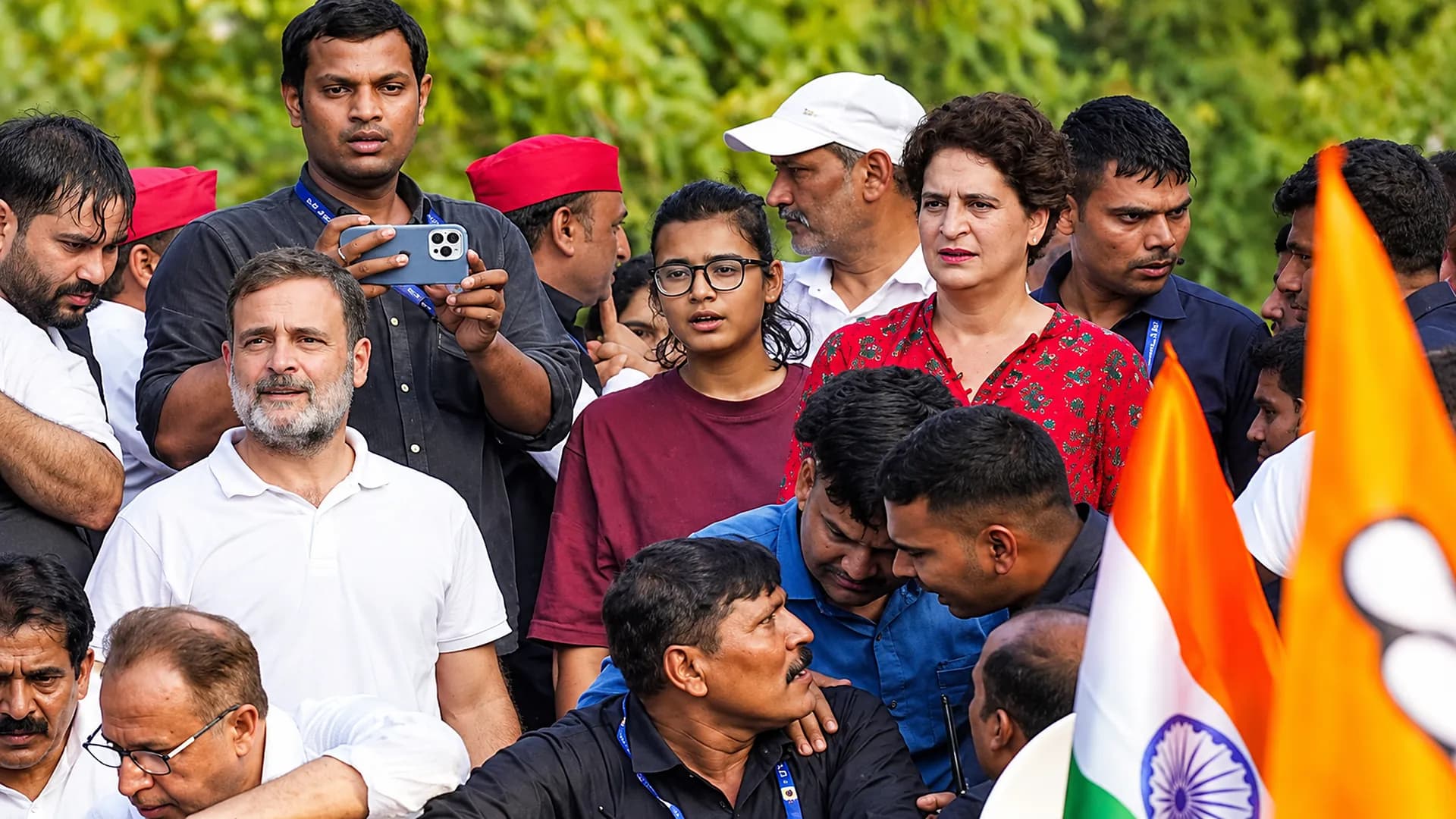
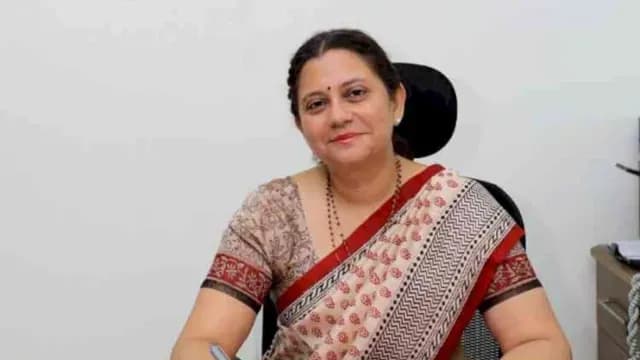
With the Uttar Pradesh Assembly elections approaching, Congress faces a strategic challenge: rebuild its independent political organisation or continue relying on alliances with the Samajwadi Party. The appointment of Aradhana Misra as UP Congress president and Imran Masood as working president signals a renewed organisational push as the party considers its electoral strategy, traditional support base and seat-sharing negotiations.
By Haripriya • 2 views