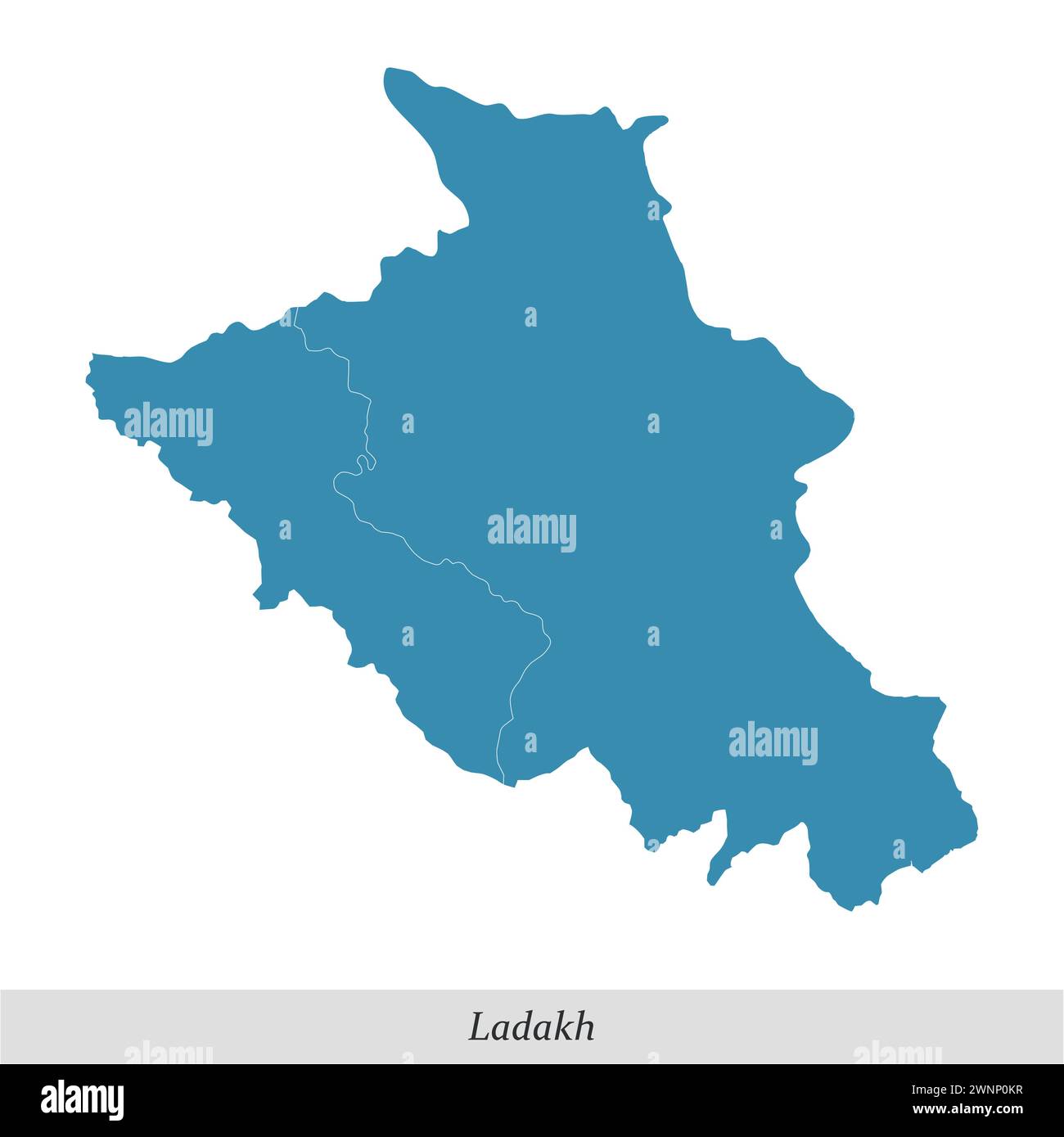
Ladakh has made significant progress in infrastructure, tourism, road connectivity, renewable energy, healthcare, education, digital governance, water supply, agriculture, environmental conservation and sports since becoming a Union Territory. The UT Administration highlighted these sectors during its 2026 Foundation Day celebrations.
1. Road and Connectivity Development
Major investments have been made in roads, bridges and tunnels to improve connectivity across the challenging Himalayan terrain. Better connectivity has strengthened access to markets, healthcare, education and tourism.
2. Tourism Development
Tourism is one of Ladakh's most important economic sectors. Leh, Pangong Lake, Nubra Valley, Tso Moriri, Kargil, Zanskar and Khardung La attract visitors from India and abroad.
3. Adventure Tourism
Ladakh has become a major destination for trekking, mountaineering, mountain biking, motorbike tourism, river rafting and camping.
4. Buddhist Cultural Heritage
Ladakh is internationally recognised for its Buddhist monasteries and cultural heritage. Monasteries such as Hemis, Thiksey, Diskit, Alchi and Lamayuru are important cultural and tourism destinations.
5. Renewable Energy
Ladakh has significant potential for solar and other renewable-energy projects because of its high solar radiation and large open spaces. The administration has identified renewable energy and a carbon-neutral development model as major priorities.
6. Carbon-Neutral Development
Environmental sustainability has become a major part of Ladakh's development strategy. The administration has promoted renewable energy, energy-efficient infrastructure and conservation of the fragile Himalayan ecosystem.
7. Digital Governance
Ladakh has expanded online citizen services and digital governance. Initiatives include grievance-redressal systems, online building-permission services, digital administrative platforms and other e-governance facilities.
8. Healthcare Development
Healthcare infrastructure has been strengthened to improve access to medical services for people living in remote and high-altitude areas. Better healthcare connectivity is particularly important because many communities are located far from major towns.
9. Education Development
Investment in schools, higher education, skill development and digital learning has helped expand educational opportunities across Leh and Kargil.
10. Water Supply and Infrastructure
Water-supply projects and local infrastructure development have been prioritised because Ladakh's cold desert environment creates unique challenges for water availability and distribution.
11. Agriculture and Horticulture
Despite its high-altitude environment, Ladakh supports traditional agriculture and horticulture. Apricots, apples, barley, vegetables and other high-altitude crops provide important livelihoods.
12. Handicrafts and Local Products
Traditional wool products, Pashmina, carpets, handicrafts and locally produced goods contribute to the region's cultural economy and provide livelihood opportunities.
13. Defence and Strategic Importance
Ladakh occupies a strategically important position along India's northern borders. Its location has made connectivity, infrastructure and logistical development particularly important for national security.
14. Border Area Development
Infrastructure development in remote border areas has improved access to roads, communications, public services and basic facilities for communities living in difficult terrain.
15. Winter Tourism and Sports
Ladakh's unique climate and mountain environment provide opportunities for winter tourism and sports. The region is increasingly being promoted for ice-related activities and other adventure sports.
16. Local Governance
The Hill Development Councils in Leh and Kargil provide a mechanism for elected local representatives to participate in regional planning and development.
17. Cultural Festivals
Traditional festivals, monastery events and cultural programmes have helped promote Ladakh's unique heritage while also supporting tourism.
18. Environmental Conservation
Ladakh's fragile high-altitude ecosystem includes glaciers, wetlands, mountains and wildlife habitats. Environmental protection, sustainable tourism and responsible development are increasingly important priorities.
19. Employment and Entrepreneurship
Tourism, handicrafts, agriculture, transport, hospitality, construction and local enterprises provide employment opportunities. Government initiatives have also encouraged entrepreneurship and skill development.
20. Sustainable Future Development
Ladakh's development strategy increasingly focuses on balancing economic growth with environmental protection. The administration has described its objective as creating an inclusive, sustainable and future-ready Ladakh while preserving its distinctive cultural identity and fragile ecology.