Nagaland Politics
Nagaland, led by Chief Minister Neiphiu Rio. Track the latest political developments, policy decisions, and electoral dynamics shaping Nagaland.
Current vs. Opposition
Neiphiu Rio
Chief Minister, Nagaland
No officially designated Leader of Opposition
Opposition Leader, Nagaland Assembly
History & Achievements
History
Nagaland became a full-fledged state on 1 December 1963. The first election to the Nagaland Legislative Assembly was held on 10 February 1964, with 40 Assembly seats at the time. The number of Assembly seats was increased from 40 to 60 in 1974, and the Assembly has continued with 60 seats since then. The Nagaland Legislative Assembly is a unicameral legislature, with members directly elected from territorial constituencies. Nagaland's political history has included governments led by the Naga Nationalist Organisation, Indian National Congress, United Democratic Front, Naga National Democratic Party, Naga People's Front and, more recently, the Nationalist Democratic Progressive Party (NDPP) and its coalition arrangements. Neiphiu Rio has been a major figure in Nagaland's political history, serving as Chief Minister from 2003–2008, 2008–2014, and again from 2018 onward. He is currently the Chief Minister. The 2023 Nagaland Assembly election was held for all 60 seats. The NDPP won 25 seats and the BJP won 12 seats, after which the two parties formed the government. In October 2025, 31 NDPP MLAs formally merged with the Naga People's Front (NPF) in the Nagaland Legislative Assembly. The development significantly changed the composition of the Assembly and resulted in the absence of a conventional opposition bloc, according to 2026 reporting.
Achievements
Nagaland's development and institutional history includes the establishment and expansion of its democratic institutions following statehood. Became India's 16th state in 1963. Established its elected Legislative Assembly, with the first election held in 1964. Expanded the Legislative Assembly from 40 to 60 seats in 1974. Developed a functioning unicameral state legislature with elected representatives from 60 constituencies. Established state-level legislative and administrative institutions covering law-making, financial oversight and executive accountability. Developed Kohima as the state capital and principal administrative centre. Built institutional frameworks for local governance, village councils, education, healthcare, infrastructure and economic development. Continued participation in national and state-level democratic institutions through Assembly and parliamentary elections.
Nagaland News
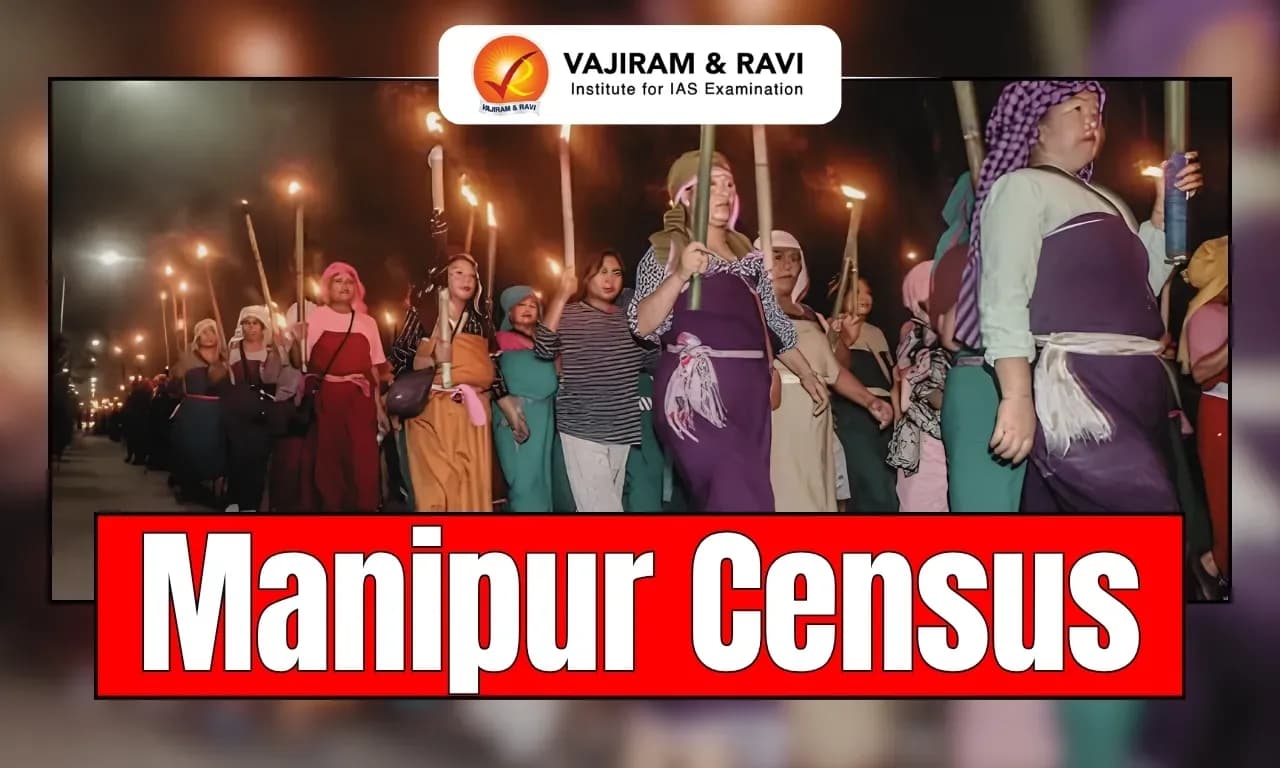
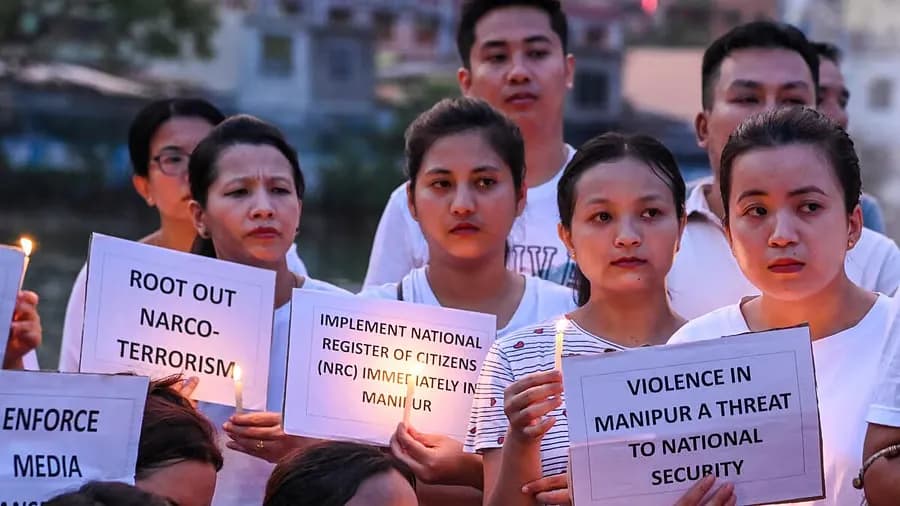
Manipur Politics 2026: Census, NRC and Delimitation Debate Intensifies Ahead of 2027 Election
Manipur politics is intensifying ahead of the 2027 Assembly election as the Centre defers the Census amid demands for an NRC first, bringing citizenship, migration, displacement and electoral delimitation into the centre of the political debate.
By Haripriya • 88 views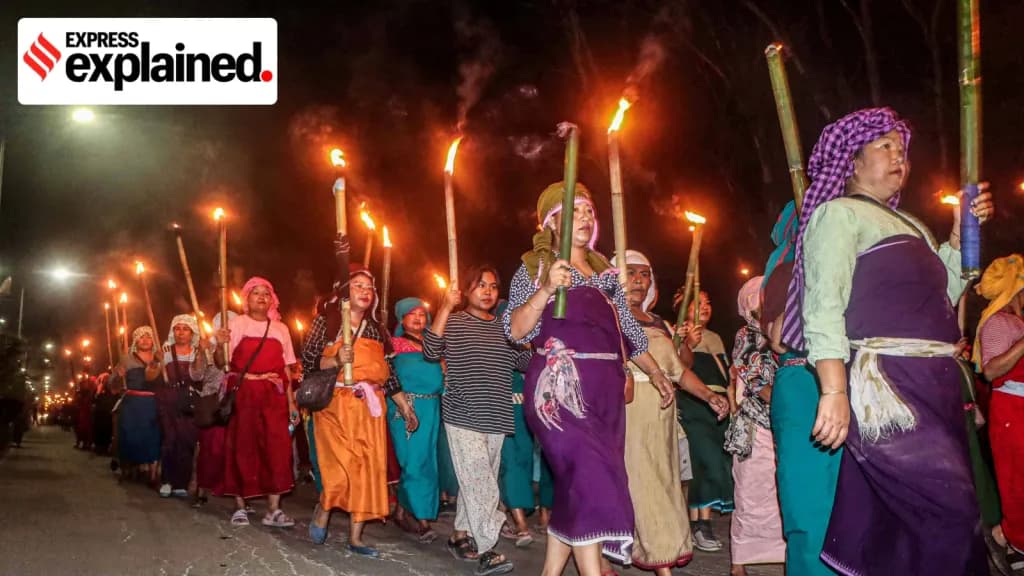
Manipur Assembly Elections 2027: Why NRC Before Census Has Become a Major Political Issue
The demand to update the National Register of Citizens (NRC) before conducting the Census has become a major political issue in Manipur ahead of the 2027 Assembly election. The Centre deferred the Census exercise in the state after discussions over the NRC demand, while Kuki-Zo organisations have opposed conducting an NRC before the Census. The debate is closely linked to concerns over migration, demographic change, citizenship documentation and the future delimitation of Assembly constituencies.