NAGALAND SIR DEADLINE EXTENDED! Election Commission Gives Voters More Time as Final Electoral Roll Set for November 30
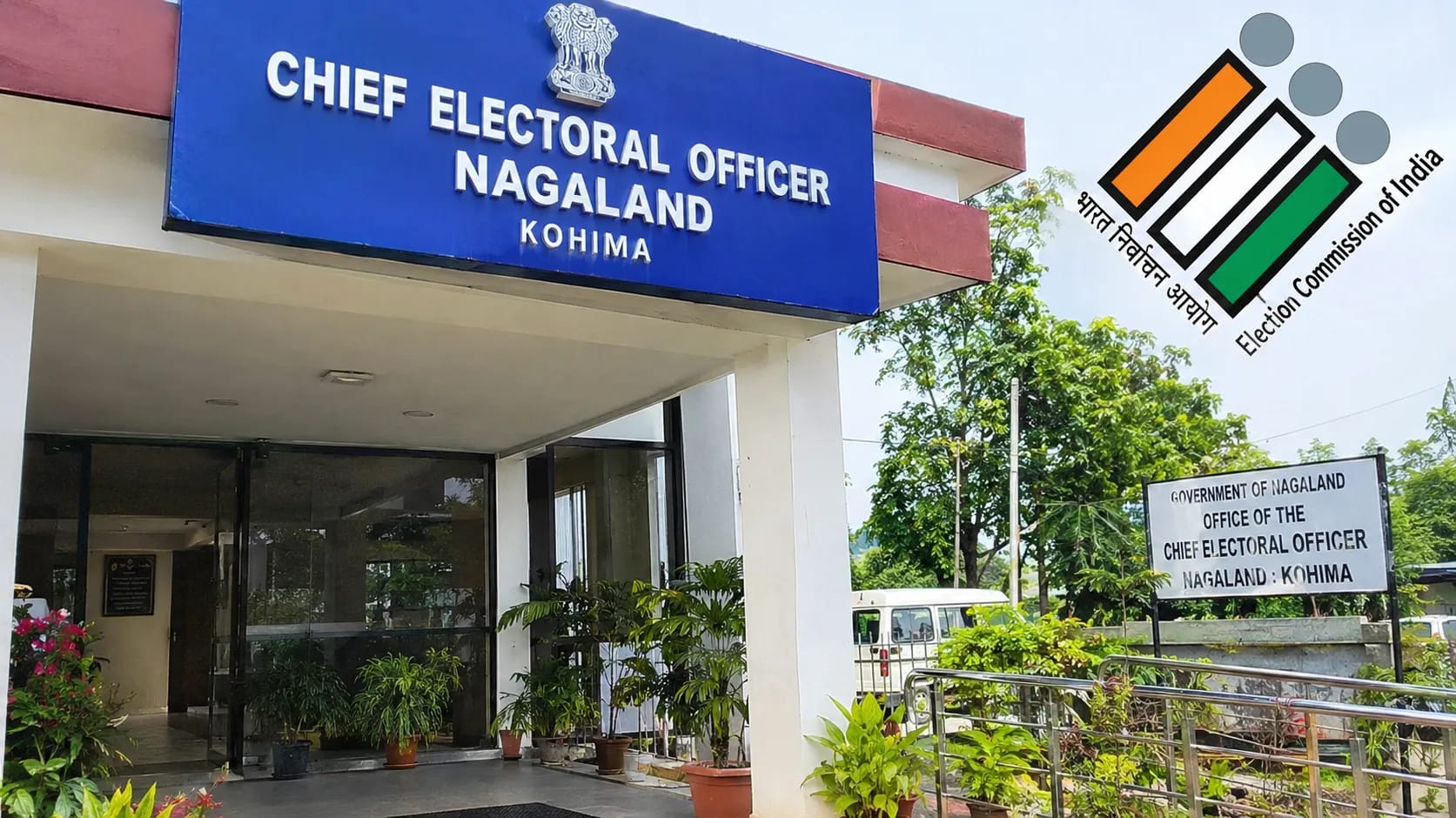
KOHIMA, November 3, 2026: Nagaland's electoral process has received an important timeline revision after the Election Commission of India extended the schedule for the ongoing Special Intensive Revision (SIR) of electoral rolls in the state.
According to an official update published by the Nagaland Department of Information and Public Relations on November 2, the Election Commission revised the schedule through a communication dated October 29, 2026.
Under the revised programme, the notice phase and disposal of claims and objections will continue until November 25, 2026. The final publication of the electoral roll is scheduled for November 30, 2026.
The revised schedule is significant for voters, political parties and election officials because the electoral roll forms the foundation of the voting process. Ensuring that eligible citizens are included and that errors are addressed is essential to maintaining confidence in elections.
What has changed in the SIR schedule?
The latest notification issued by the Nagaland Department of Information and Public Relations identifies two important dates:
Notice phase and disposal of claims and objections: September 20 to November 25, 2026.
Final publication of the electoral roll: November 30, 2026.
The department has attributed the revised schedule to an Election Commission of India letter dated October 29, 2026.
The extension provides additional time for the relevant electoral authorities to complete the prescribed notice and objection process before the final list is published.
It is important to understand that this is a revision of the electoral schedule. It should not be interpreted as an announcement of a new election date or a change in the state's political leadership.
Why does the electoral roll matter politically?
Electoral rolls are among the most important documents in a democratic election system. They establish who is eligible to participate as a registered voter in a particular constituency.
For political parties, the accuracy of electoral rolls has direct consequences for election preparation. Parties use the electoral process to engage with voters, identify organisational areas of concern and encourage eligible citizens to participate.
For individual citizens, the process is equally important. An eligible voter whose name is missing or whose details are incorrect may need to approach the relevant electoral authorities through the prescribed procedure.
The revision therefore involves more than administrative paperwork. It concerns political participation, representation and the right of eligible citizens to vote.
Responsibilities of political parties
Political parties have an important role in ensuring that voters understand the revision process.
They can encourage eligible citizens to verify their names, communicate official deadlines and bring genuine discrepancies to the attention of election authorities.
However, parties must rely on official electoral procedures rather than spreading unverified claims about voter deletion, inclusion or manipulation.
The Election Commission's prescribed process is the appropriate route for resolving individual cases.
What happens next?
The immediate focus will remain on the completion of the notice phase and disposal of claims and objections by November 25.
After that, the final electoral roll is scheduled to be published on November 30.
Voters should use the official Election Commission and Chief Electoral Officer channels to check their registration details and follow the applicable procedures.
Political significance
Nagaland's revised SIR schedule puts electoral participation and voter-list accuracy at the centre of public attention.
For political organisations, the coming weeks provide an opportunity to ensure that their supporters and eligible citizens understand the process. For election authorities, the challenge is to complete the revision transparently and within the revised timeline.
The final publication on November 30 will be the next major milestone in the state's electoral calendar.
Conclusion
The Election Commission's revised SIR schedule gives Nagaland's electoral authorities additional time to complete the prescribed process. With November 25 set for the end of the notice and claims-disposal phase and November 30 fixed for final publication, the coming weeks will be important for voters, political parties and election officials.




Join the discussion
Comments (0)