Speeches
From Independence Day addresses to budget speeches and floor replies during no-confidence debates, speeches are one of the most closely tracked forms of political communication in India.
Current vs. Opposition
Narendra Modi
Prime Minister — national and international addresses
Rahul Gandhi
Leader of Opposition — Parliament floor speeches
Context
Political Speeches in India
Political speeches are an important part of India's democratic and electoral system. Leaders use speeches to communicate their views, discuss public issues, explain policies and address citizens during elections, parliamentary sessions, public meetings and other political events. They provide a platform for political debate, public awareness and communication between elected representatives and citizens.
History of Political Speeches
Political speeches have played an important role in India's history, particularly during the freedom movement. Leaders used public addresses to communicate ideas about independence, self-government, civil rights and social reform. Speeches helped spread political awareness, organise public gatherings and encourage participation in the movement against British colonial rule.
After independence in 1947, political speeches became an important part of parliamentary debates, election campaigns, public meetings and national events. As India's democratic institutions developed, speeches were increasingly used to explain government policies, discuss national priorities and present different political viewpoints. Radio, television and digital media later expanded their reach to audiences across the country.
Speeches During Elections
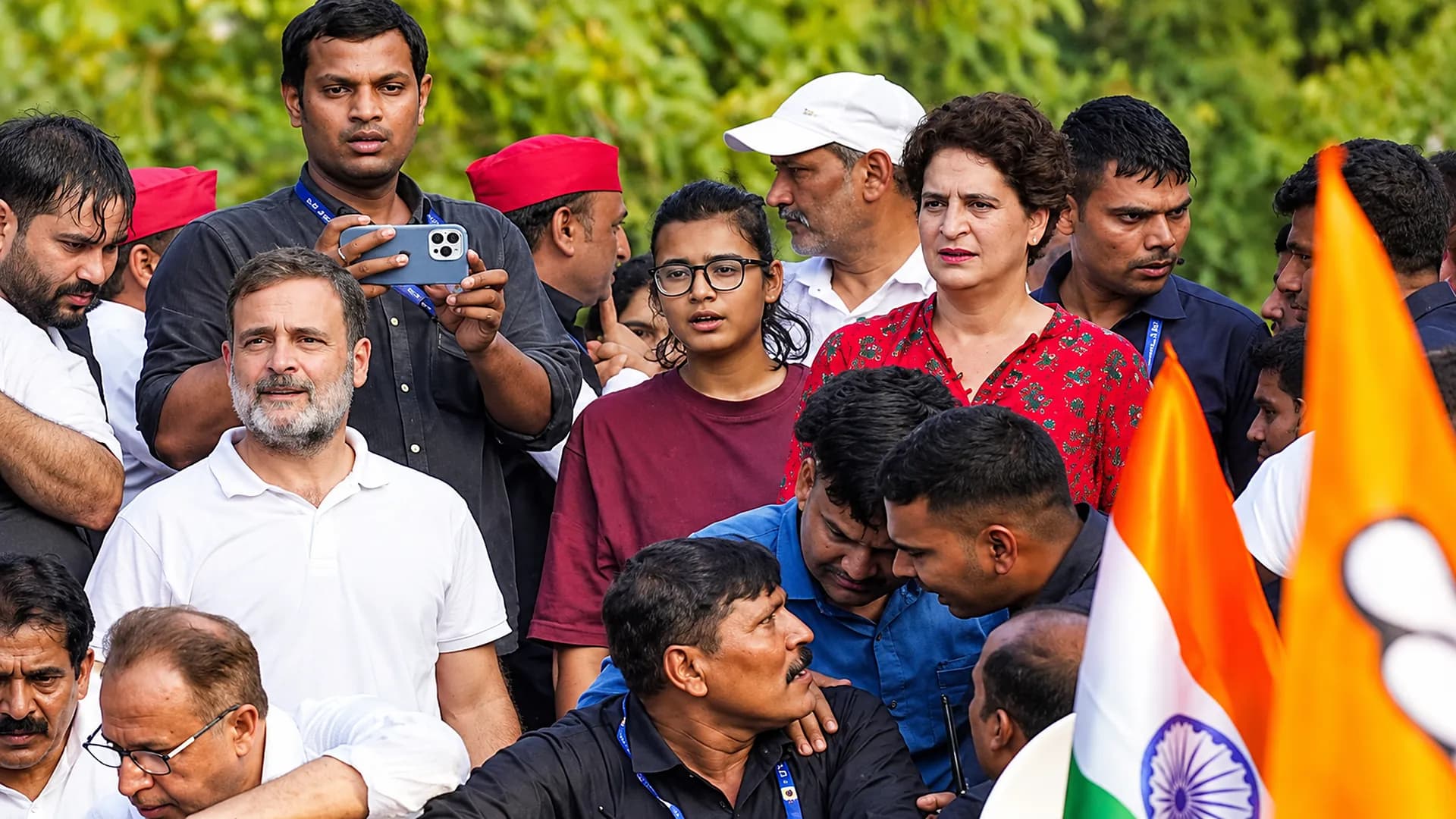
During election campaigns, political leaders deliver speeches at rallies, public meetings, roadshows and other campaign events. These speeches may focus on development, employment, education, healthcare, agriculture, infrastructure, the economy, welfare programmes and other political issues.
Candidates and party leaders also use speeches to present their campaign programmes, explain party manifestos, discuss local concerns and communicate directly with voters. Election speeches provide an opportunity for parties to outline their priorities and respond to questions about public services, governance and future plans.
Parliamentary Speeches
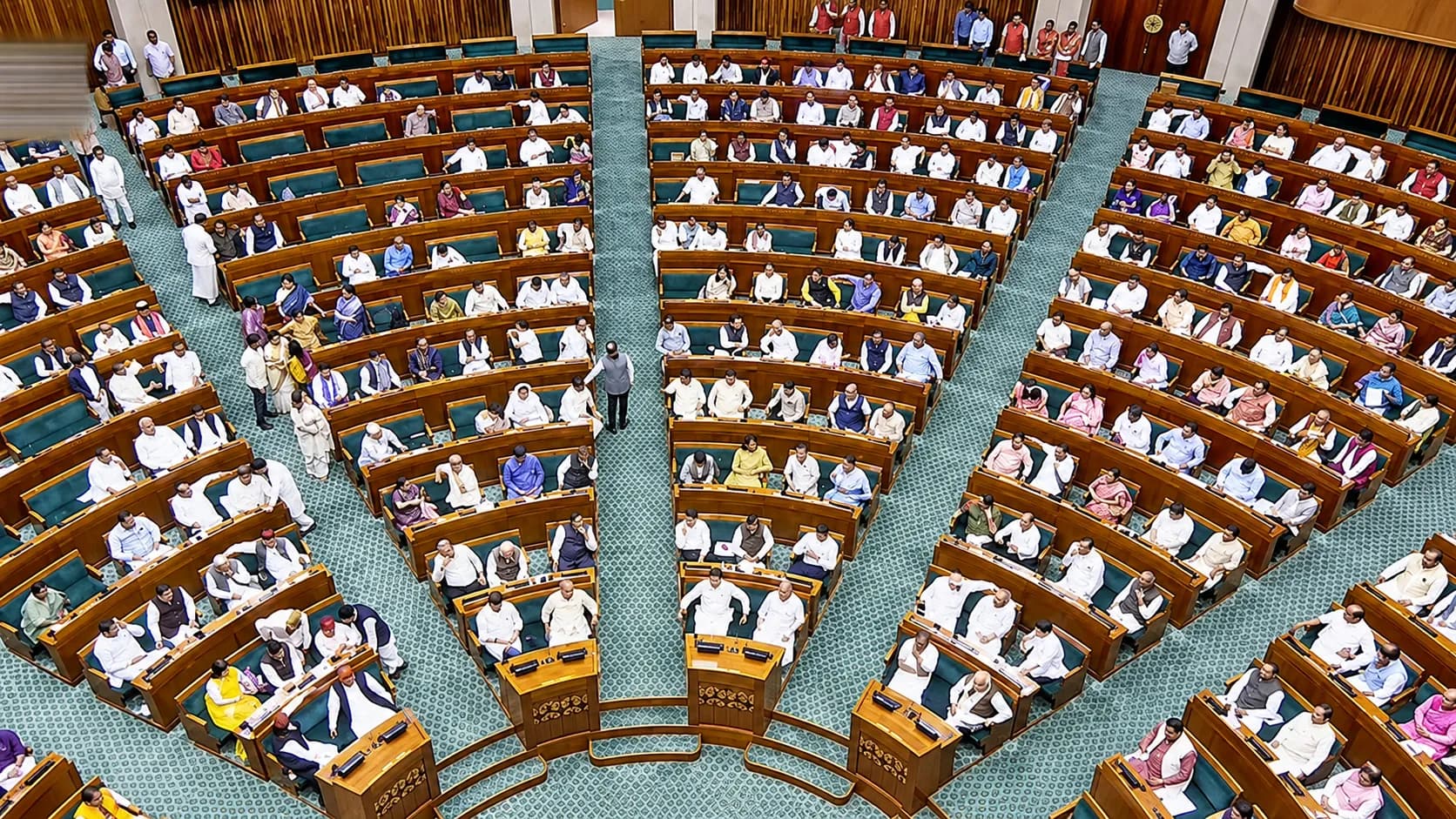
Parliamentary speeches are another important category of political speeches in India. Members of Parliament discuss proposed legislation, government policies, budgets, constitutional amendments and national issues in the Lok Sabha and Rajya Sabha.
These speeches form part of parliamentary debate and allow members to present arguments, raise constituency concerns, question government decisions and express their positions on proposed measures. Parliamentary discussions also contribute to the legislative process and provide a public record of political viewpoints on important national matters.
Public Meetings and Political Rallies
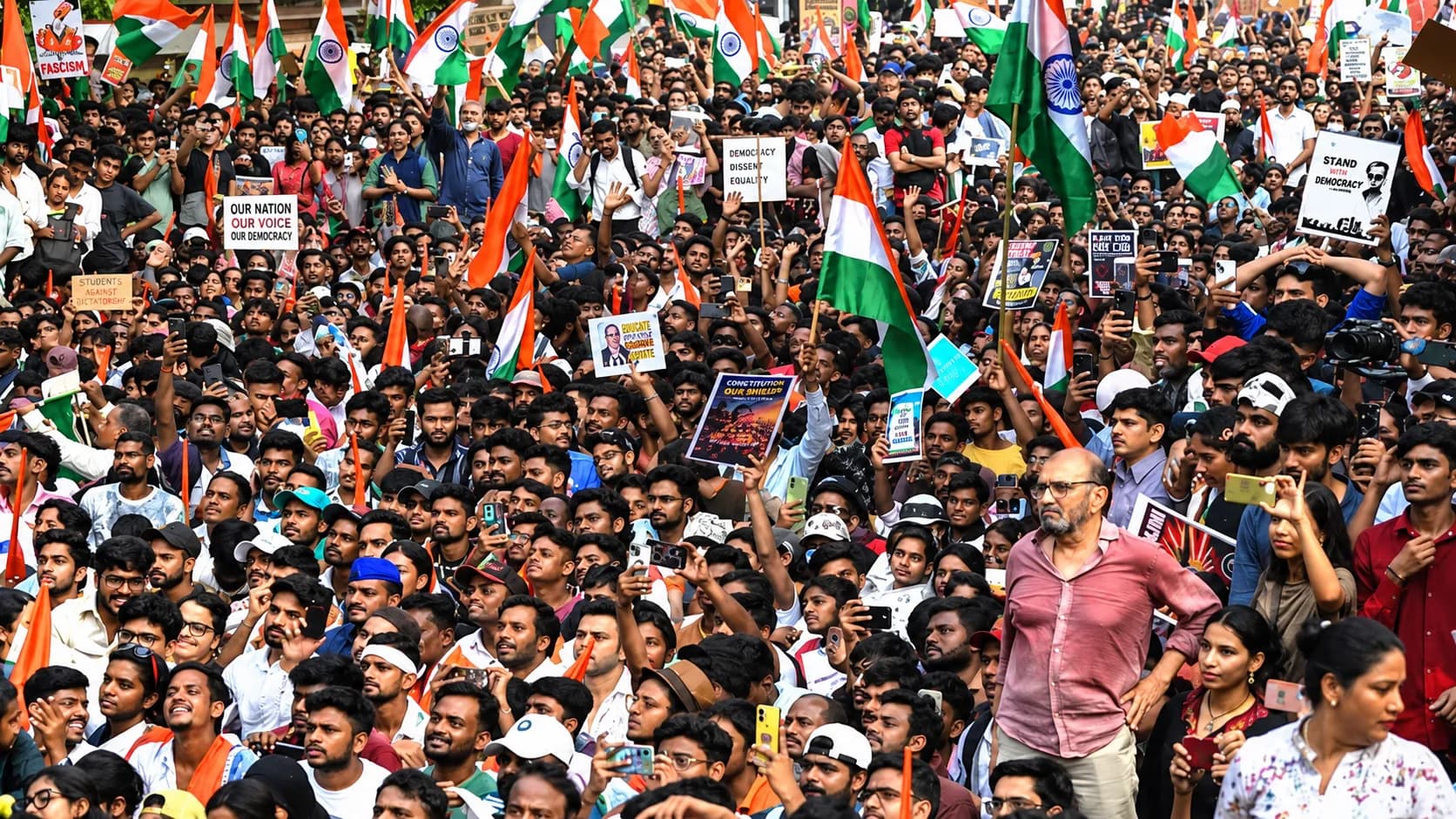
Public meetings and political rallies provide a platform for leaders to address large gatherings and communicate their political messages. Such events are organised by political parties during election campaigns, party programmes, public movements and other political occasions.
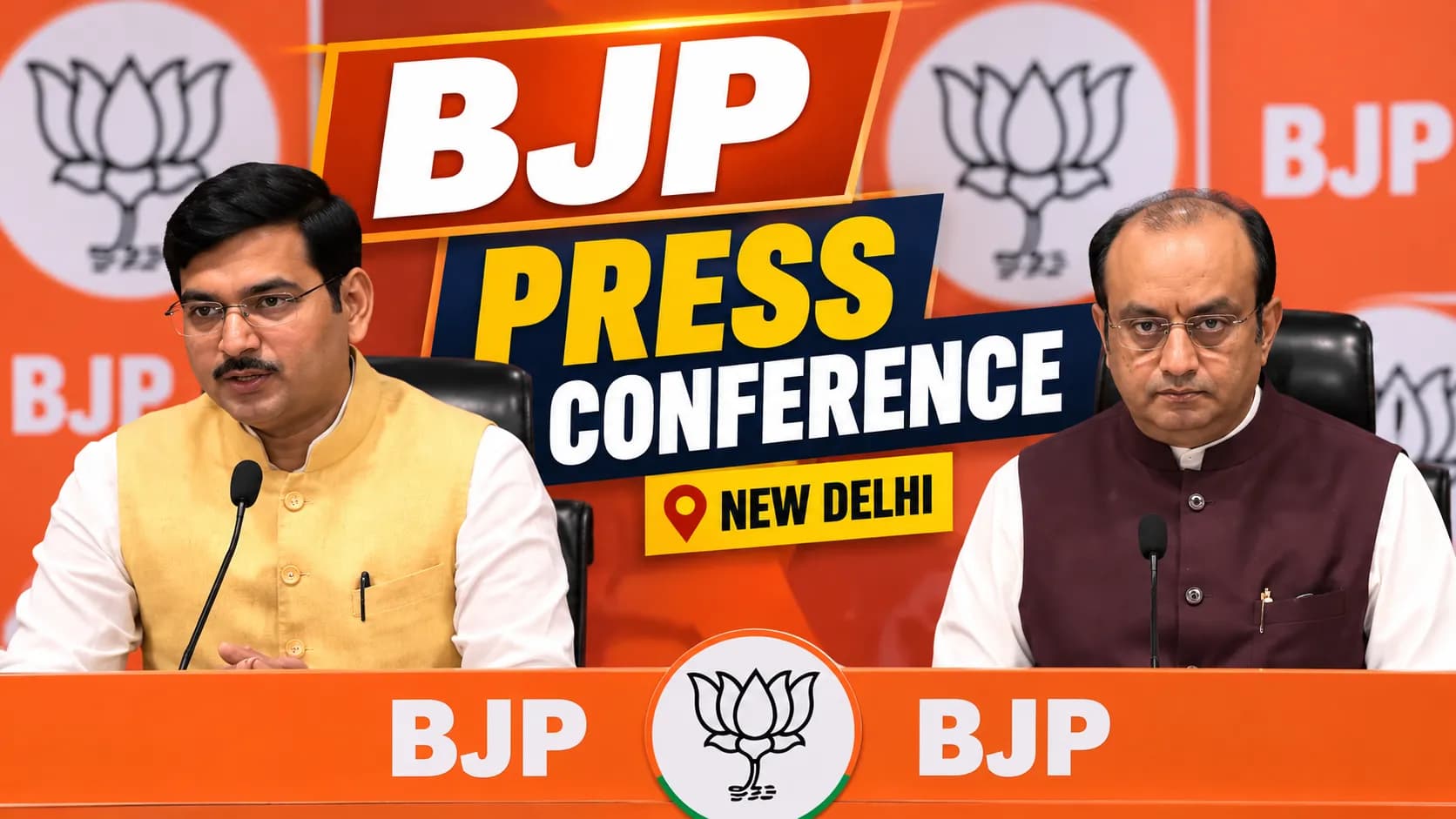
Speeches at these gatherings may cover government performance, development projects, social issues, party policies and current affairs. They also allow party representatives to interact with supporters and communicate their positions on issues affecting particular regions or communities.
Independence Day and Republic Day Addresses
Independence Day and Republic Day addresses are important occasions for political leaders to communicate with citizens about India's history, constitutional values, national achievements and future priorities. On Independence Day, the Prime Minister traditionally addresses the nation from the Red Fort in New Delhi, discussing government initiatives, development goals and national challenges. Republic Day addresses and official speeches highlight the Constitution, democratic institutions, national unity and the responsibilities of citizens. These occasions provide an opportunity to reflect on India's independence, constitutional development and progress as a democratic republic.
Union Budget and Parliament Floor Speeches
Union Budget speeches and parliamentary floor speeches play a significant role in India's democratic and legislative process. The Union Budget is presented by the Union Finance Minister in Parliament and outlines the government's proposed expenditure, taxation measures, revenue plans and economic priorities for the financial year. Parliamentary speeches in the Lok Sabha and Rajya Sabha cover legislation, public finances, government policies and national issues. Members of Parliament use these debates to present arguments, raise public concerns, question government proposals and discuss the potential impact of policies on different sectors and communities.
International Forum Addresses: UN and G20
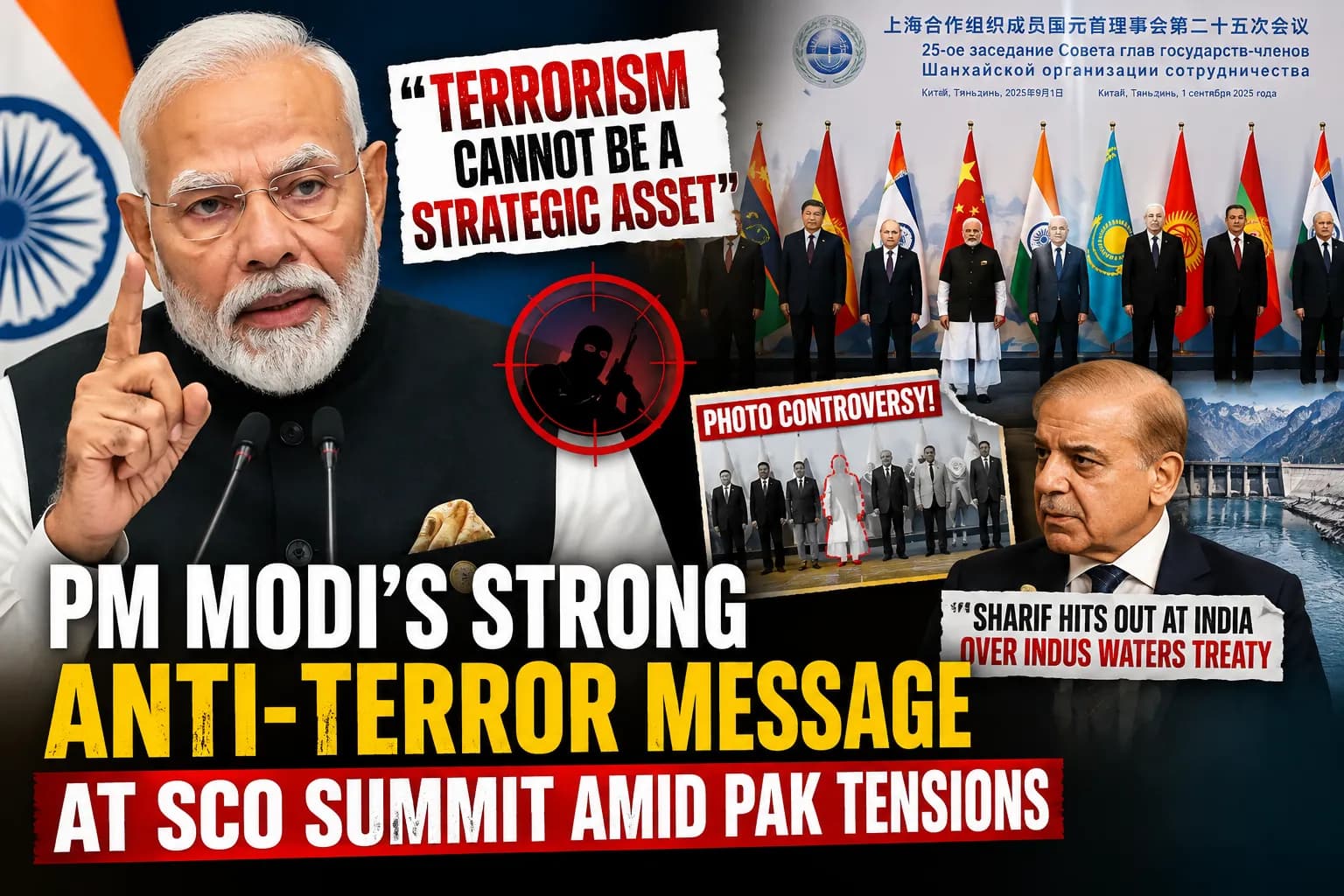
Indian political leaders deliver speeches at international forums such as the United Nations (UN) and the Group of Twenty (G20) to communicate India's perspectives on global issues and international cooperation. These addresses may cover economic development, climate change, trade, peace and security, technology, sustainable development and cooperation between countries. At the United Nations, Indian representatives participate in discussions on international affairs and global challenges. At G20 summits, Indian leaders engage with other major economies on issues affecting the global economy and international development. Such speeches communicate India's diplomatic priorities and contribute to discussions on shared international concerns.