Aam Aadmi Party
Aam Aadmi Party (AAP), founded in 2012, is a major political party in India. Explore its latest activities, statements, and role in the current political landscape.
Current vs. Opposition
Bharatiya Janata Party (BJP)
Ruling Party (National)

Aam Aadmi Party (AAP)
Opposition Party
History & Achievements
The Aam Aadmi Party (AAP) presents itself as a political alternative focused on clean governance, anti-corruption, public services and welfare-oriented administration. Its political messaging emphasises education, healthcare, water supply, electricity,
Governed Delhi 2013-2025; governs Punjab since 2022
History
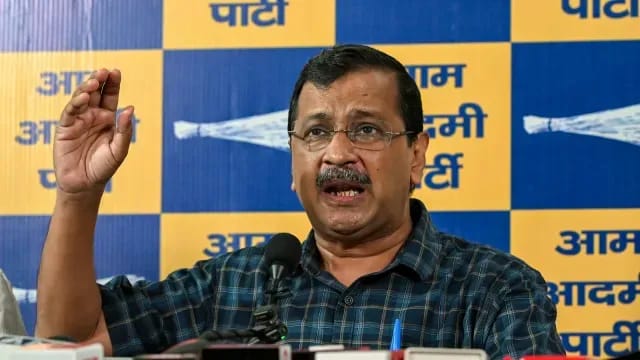
The Aam Aadmi Party emerged from the India Against Corruption movement that gained national attention in 2011-12. A section of activists led by Arvind Kejriwal decided to enter electoral politics, arguing that political participation was necessary to pursue institutional reforms and fight corruption from within the system.
AAP was formally launched in November 2012. It contested the Delhi Assembly election in 2013 and emerged as a major political force, forming a government with outside support before returning to the polls in 2015.
In the 2015 Delhi Assembly election, AAP won 67 of 70 seats. It subsequently retained power in Delhi in the 2020 Assembly election, winning 62 seats.
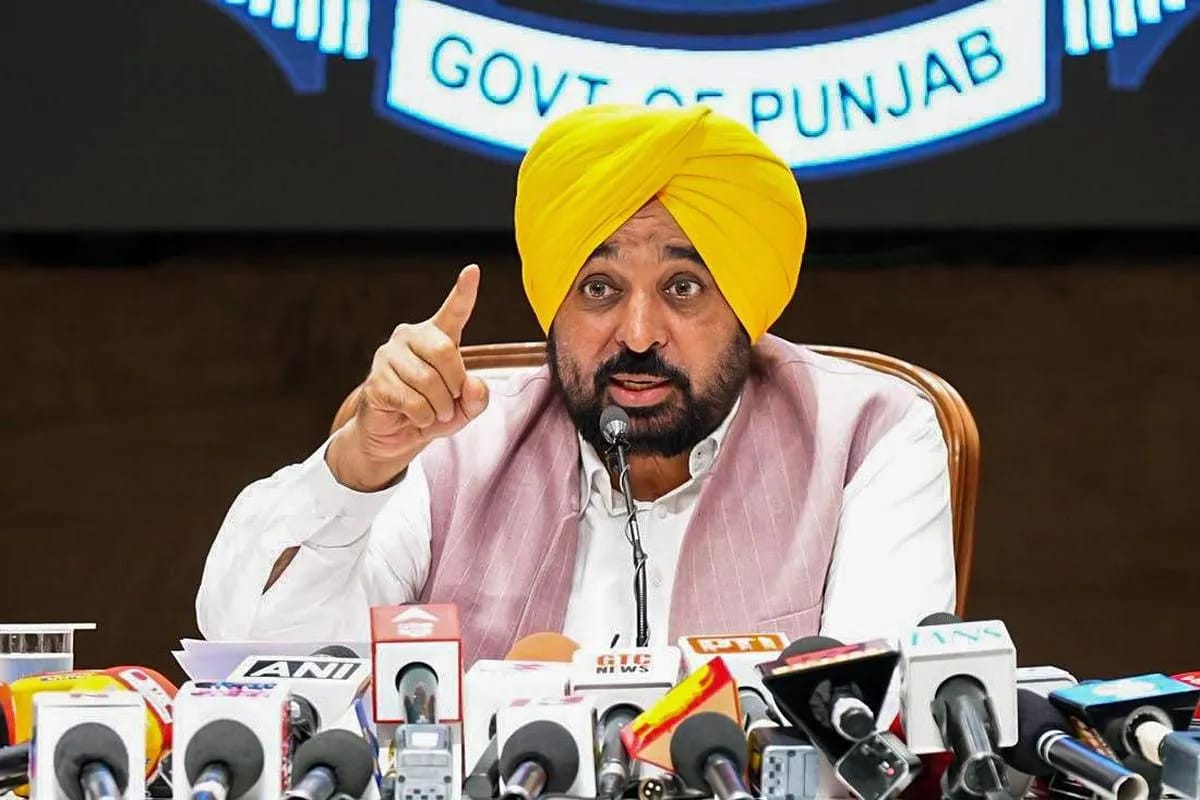
The party expanded beyond Delhi and achieved a major electoral breakthrough in Punjab in 2022. AAP won 92 of the 117 Assembly seats, and Bhagwant Mann became Chief Minister.
AAP subsequently expanded its presence in other States and was recognised as a national party by the Election Commission in April 2023.
The party's political position has continued to develop as it balances its original anti-corruption identity with its governance record in Delhi and Punjab and its expansion into other States.
Achievements
AAP's political record has been particularly associated with its emphasis on public education, healthcare and basic household services.
In Delhi, the party government highlighted investment in government schools, school infrastructure and education programmes. It also expanded the network of Mohalla Clinics and promoted them as neighbourhood-level healthcare facilities. The party has additionally highlighted subsidised electricity and water schemes as major components of its Delhi governance model.
AAP also introduced or expanded several welfare-oriented programmes, including free bus travel for women in Delhi and financial and social-support schemes for different sections of society. The party has presented these measures as part of its broader focus on accessible public services.
In Punjab, the AAP government under Chief Minister Bhagwant Mann has focused on education, healthcare, electricity, agriculture, employment and welfare programmes. The party has highlighted the establishment of Aam Aadmi Clinics, School of Eminence initiatives, employment measures and farmer-oriented programmes.
AAP's electoral expansion itself has also been significant. Its 2022 Punjab victory gave it control of a State government outside Delhi, while its recognition as a national party in 2023 marked an important stage in its national expansion.
Aam Aadmi Party News
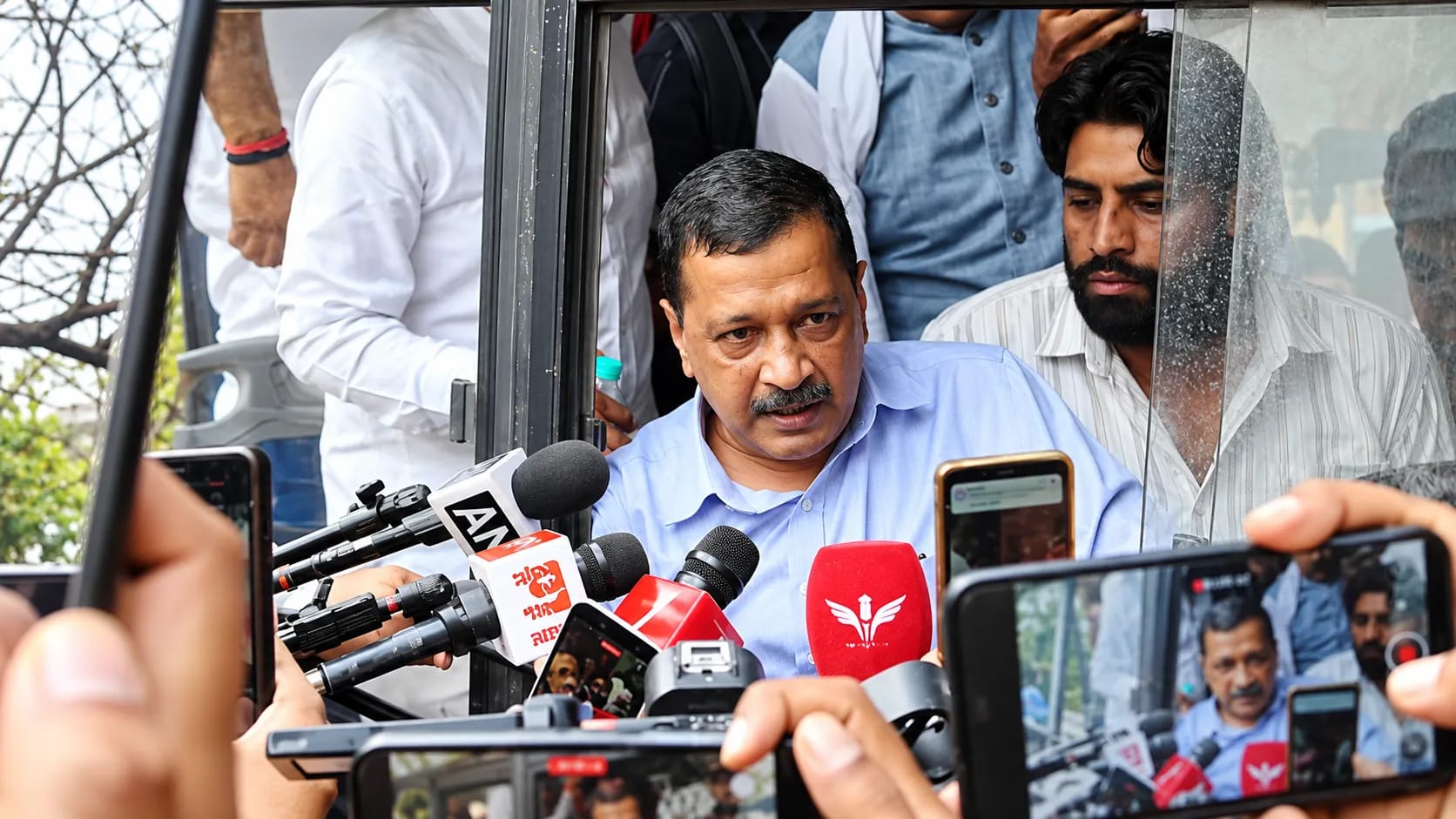
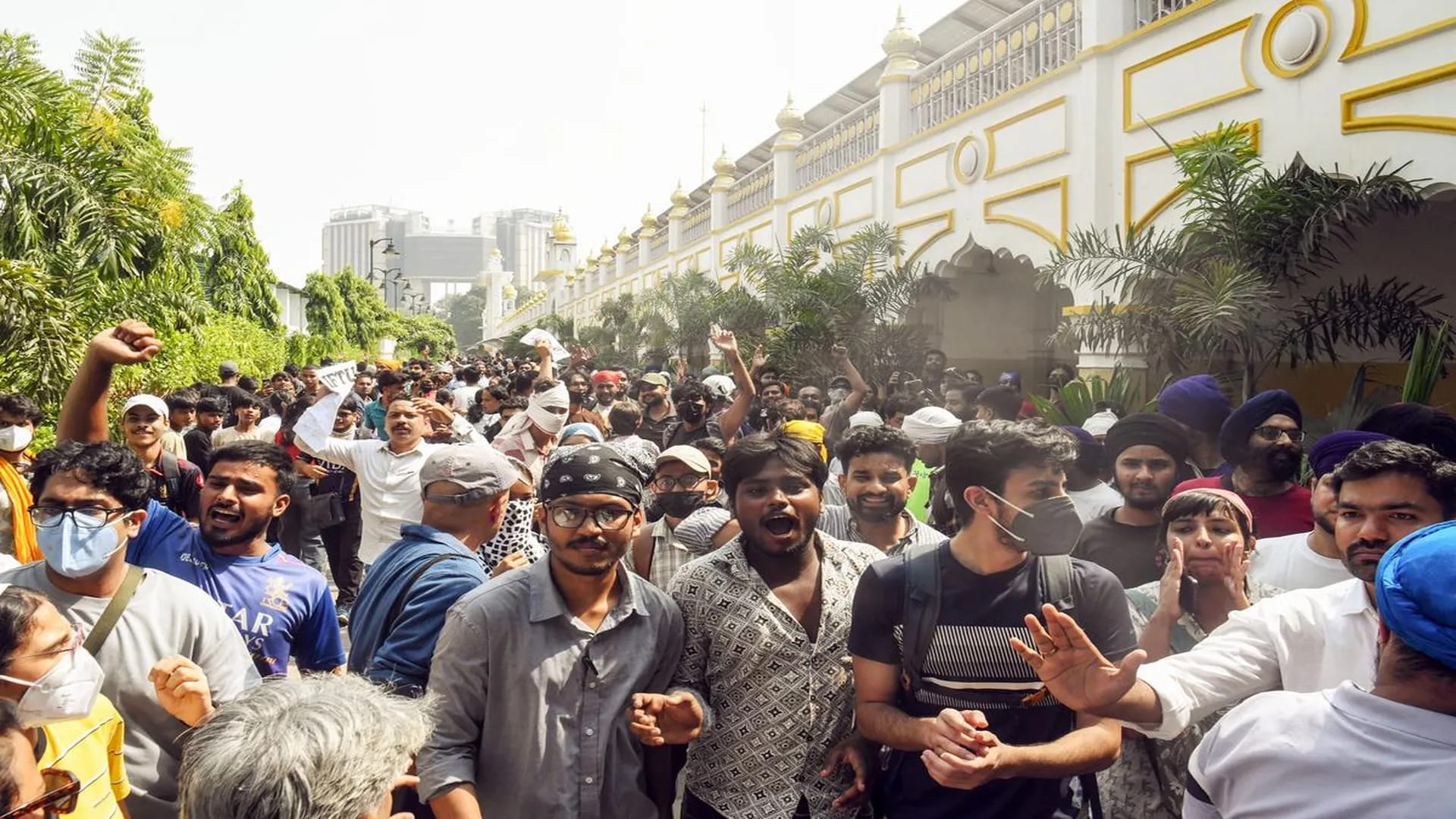
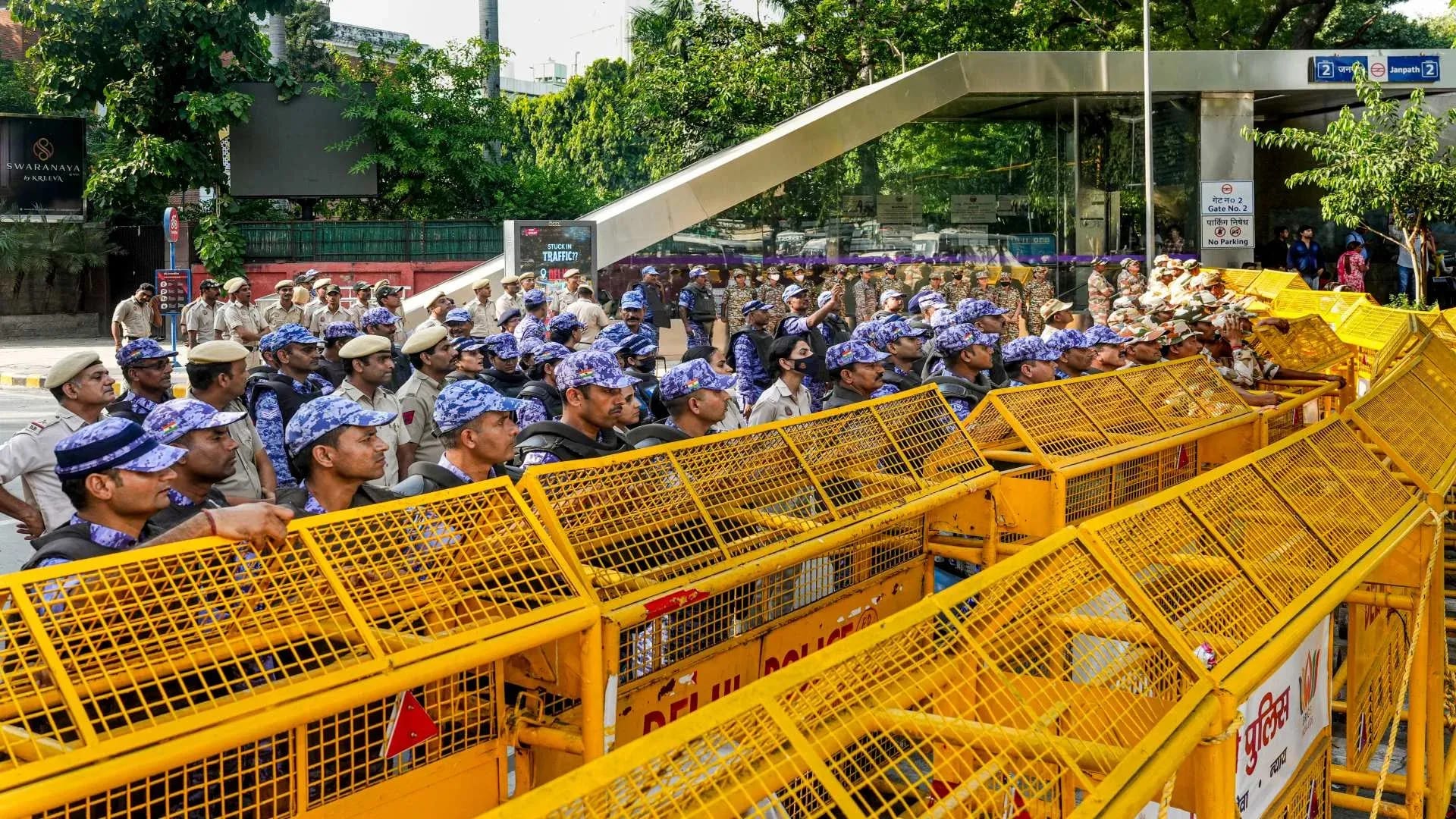
AAP Announces Delhi Protest Against Chief Election Commissioner Gyanesh Kumar
The Aam Aadmi Party has announced a protest in Delhi against Chief Election Commissioner Gyanesh Kumar, citing concerns about electoral-roll revision. The planned demonstration adds to the wider political dispute over voter registration and the Election Commission’s role.
By Shivani CH • 3 views