
Gandhinagar Civic Election Results 2026: BJP Wins 38 of 44 Seats
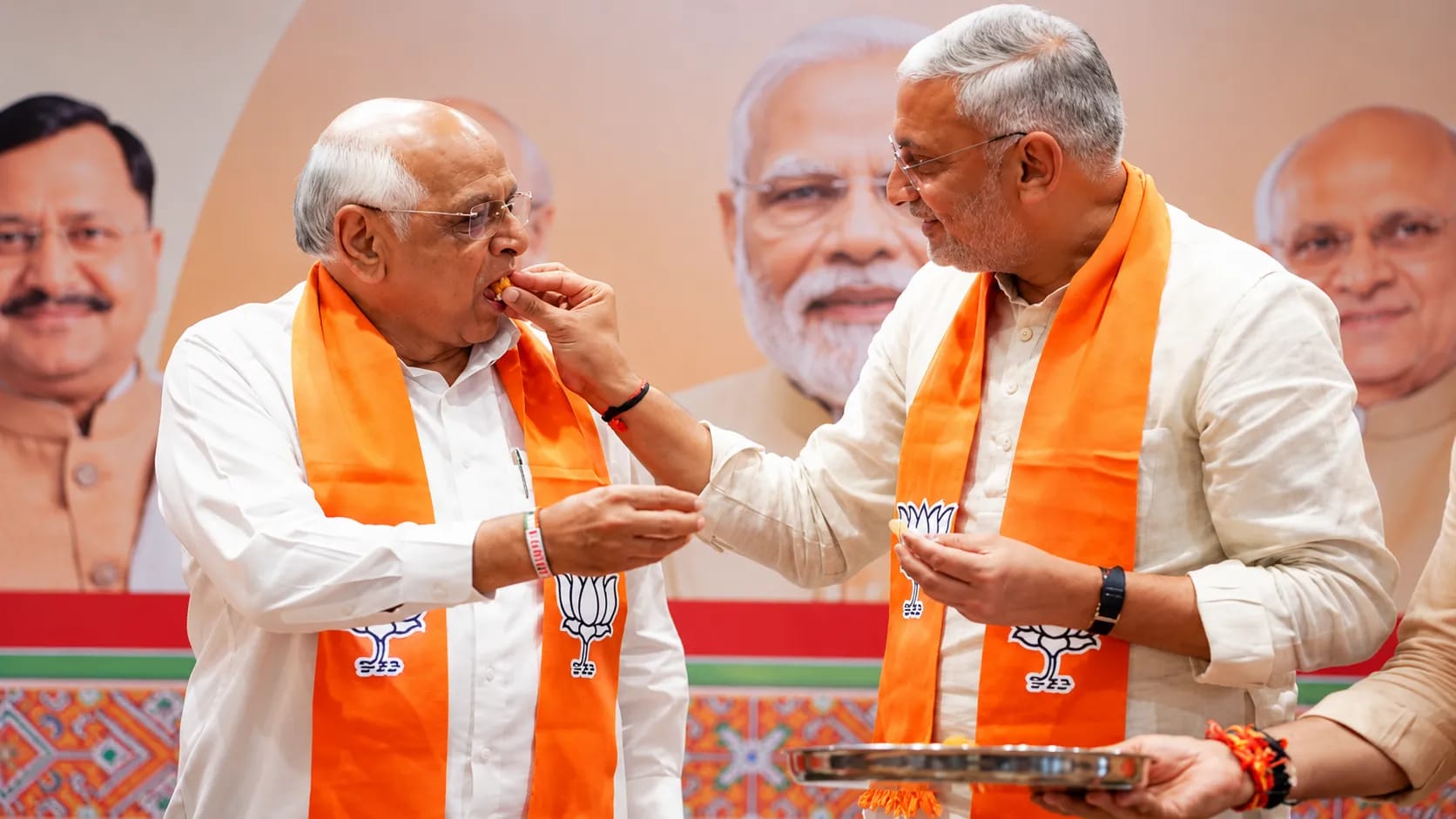
Gandhinagar Civic Election Results 2026: BJP Wins 38 of 44 Seats
The Bharatiya Janata Party (BJP) won 38 of the 44 seats in the 2026 Gandhinagar Municipal Corporation election, retaining control of the civic body in Gujarat's capital. The Congress secured five seats, while one seat went to an Independent candidate. The results, reported on October 14, provide an updated picture of political competition in Gandhinagar at the municipal level.
Although the BJP retained a substantial majority, its seat tally declined from the 41 seats it won in the 2021 election. Congress increased its representation from two seats to five. The Aam Aadmi Party (AAP), which had won one seat in the previous election, failed to secure a seat this time.
The result highlights both continuity and change in the city's civic politics. The BJP remains in control of the municipal corporation, while Congress has increased its representation. However, the results alone do not establish why individual voters supported particular candidates or whether the outcome reflects political preferences across Gujarat as a whole.
BJP Retains a Clear Majority
The BJP's 38 seats give it a substantial majority in the 44-member corporation. The result allows the party to retain control of the municipal body and continue its role in local civic administration.
According to published election reporting, the BJP secured 56.46% of the vote, while Congress received 36.93%. AAP's reported vote share fell from 21.72% in 2021 to 4.37% in 2026. Voter turnout was reported at 59.25%.
These figures help explain the overall distribution of support, but vote share and seat share measure different things. Seat outcomes depend on the performance of candidates in individual constituencies, while the vote share represents the proportion of votes received across the election.
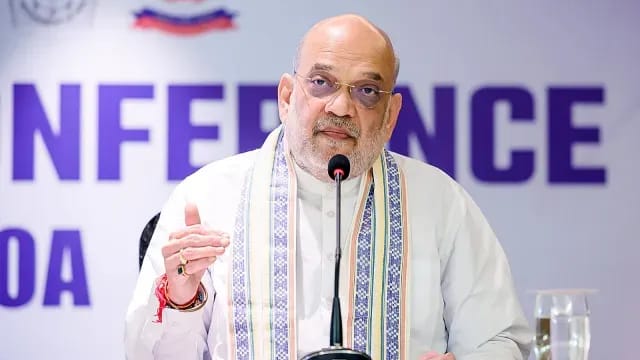
Union Home Minister Amit Shah welcomed the BJP's performance and interpreted the result as support for Prime Minister Narendra Modi's leadership. Such statements reflect the political interpretation offered by party leaders; they should be distinguished from the verified numerical results.
Congress Improves Its Representation
Congress increased its tally from two seats in 2021 to five in 2026. The change gives the party a larger presence in the municipal corporation, although it remains far behind the BJP in terms of seats.
The increase raises questions about the local factors that influenced voting in particular wards. Municipal elections can be shaped by a range of considerations, including civic services, local infrastructure, candidate accessibility, neighbourhood concerns and party organisation.
The available results establish that Congress improved its seat count, but they do not independently identify which factors were decisive. A detailed assessment would require constituency-level voting data, candidate information and reliable evidence about local campaign issues.
AAP's failure to win a seat represents a decline from its previous performance. However, its overall vote share and the distribution of votes among candidates should be examined before drawing conclusions about its wider political position.
Local Issues and Candidate Selection
Municipal corporations are responsible for important aspects of urban governance. These may include local roads, sanitation, waste management, drainage, public spaces and other civic services within the body's jurisdiction.
For voters, the performance of the municipal administration and the accessibility of local representatives can influence how they assess candidates. Party identity is another factor, but the importance of each issue can differ from ward to ward.
Election reporting also referred to BJP losses in six seats and issues surrounding ticket distribution. Candidate selection can influence local contests, especially when residents have established relationships with individual representatives. However, the available reporting does not establish that ticket distribution alone explains the result in those constituencies.
Understanding the election fully therefore requires more than looking at the overall seat tally. Ward-level results, campaign issues and the performance of individual candidates can help explain why the parties experienced different outcomes.
What the Result Means for Gujarat Politics
The Gandhinagar election provides information about political competition in one important urban centre. It shows that the BJP retained control of the municipal corporation while Congress increased its representation.
However, a municipal election is not the same as a state Assembly election or a Lok Sabha election. Civic contests involve different candidates, constituencies and local responsibilities. The result should not automatically be treated as a prediction of the outcome of another election.

Join the discussion
Comments (0)