Jammu and Kashmir Politics
Jammu and Kashmir, led by Chief Minister Omar Abdullah. Track the latest political developments, policy decisions, and electoral dynamics shaping Jammu and Kashmir.
Current vs. Opposition
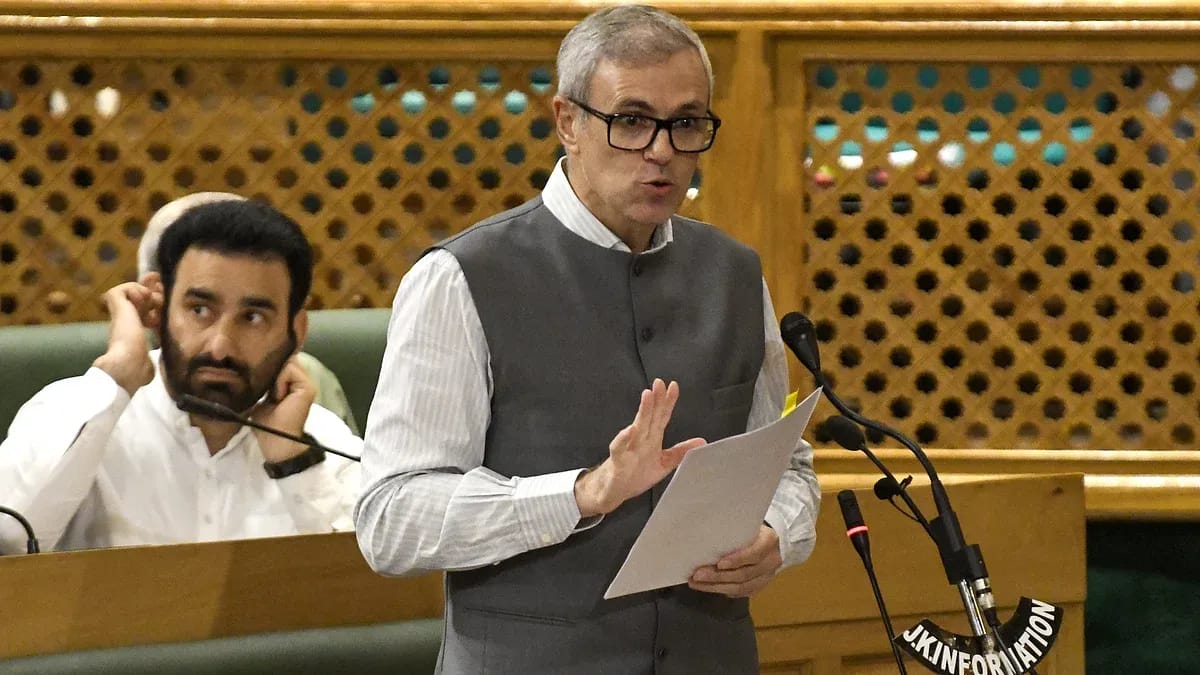
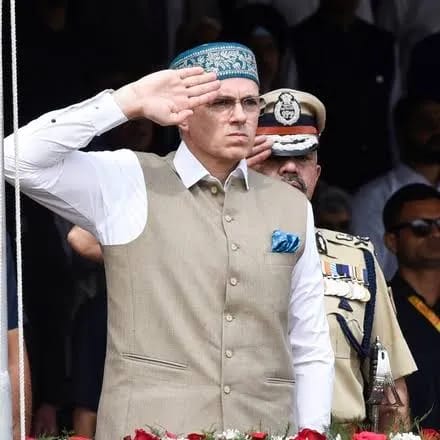
Omar Abdullah
Chief Minister, Jammu and Kashmir
Sunil Kumar Sharma
Opposition Leader — Bharatiya Janata Party (BJP), Jammu and Kashmir Assembly
History & Achievements
History
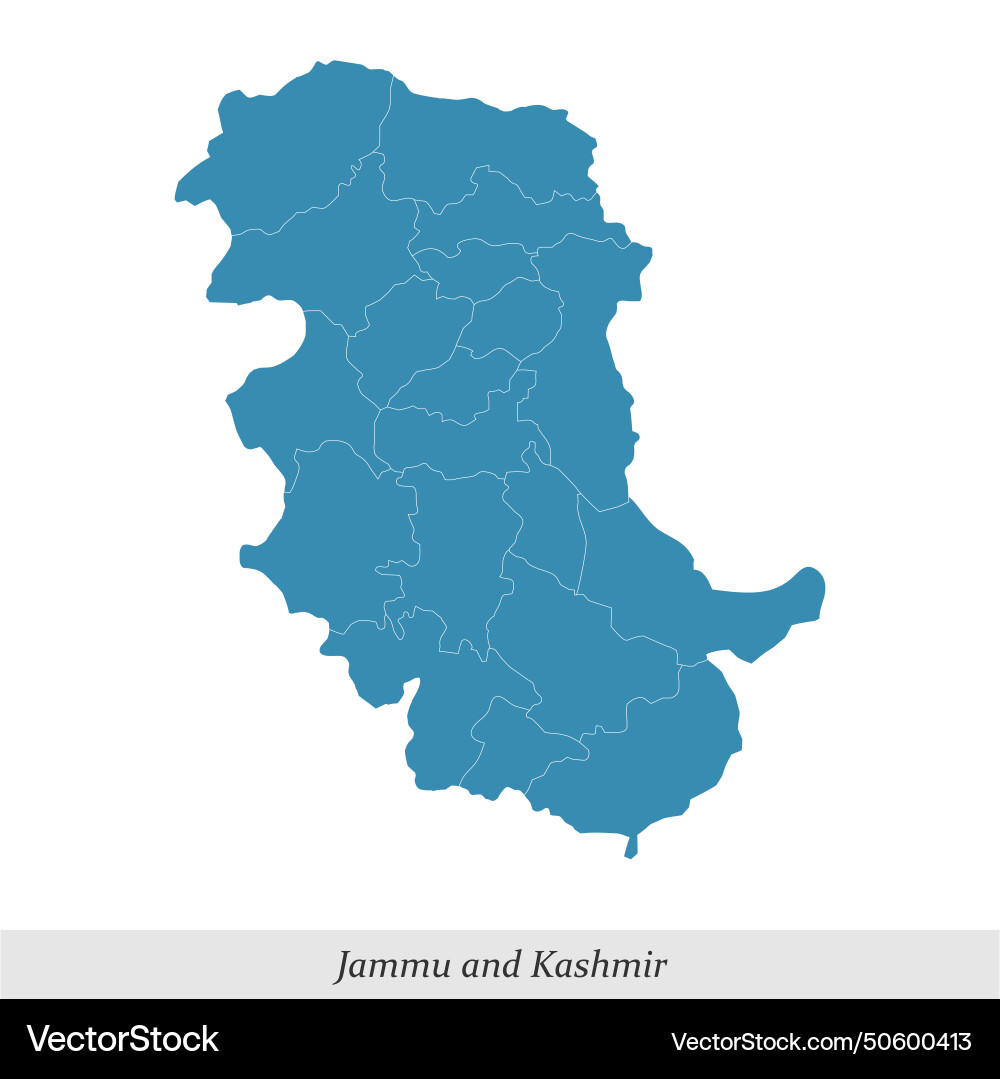
The political history of Jammu and Kashmir dates back to the formation of the princely state in 1846, following the Treaty of Amritsar between the British Government and Maharaja Gulab Singh. The historic region brought together the Jammu, Kashmir and Ladakh areas under the Dogra monarchy. After India's Independence in 1947, Jammu and Kashmir became part of the Indian Union following the accession of Maharaja Hari Singh. The region subsequently developed its own political institutions and legislative system. For several decades, Jammu and Kashmir functioned as a full-fledged state with an elected Legislative Assembly. The Jammu and Kashmir National Conference (NC), Indian National Congress, People's Democratic Party (PDP) and Bharatiya Janata Party (BJP) have been among the major political forces in different periods. A major constitutional and administrative change took place in 2019. Under the Jammu and Kashmir Reorganisation Act, 2019, the former state was divided into the Union Territories of Jammu & Kashmir and Ladakh. Jammu & Kashmir retained a Legislative Assembly, while Ladakh was created as a Union Territory without a legislature. The first Assembly election after the reorganisation was held in 2024, leading to the formation of an elected government headed by Omar Abdullah. The present Legislative Assembly has 90 members, and the official Assembly portal currently lists 41 National Conference members, 29 BJP members, 7 independents, 6 Congress members, 4 PDP members, 1 Jammu and Kashmir Peoples Conference member, 1 CPI(M) member and 1 AAP member. The Assembly continues to play an important role in debates over governance, development and the restoration of full statehood. In September 2026, the Assembly passed a resolution seeking the urgent restoration of full statehood to Jammu and Kashmir. Jammu and Kashmir currently has 20 districts, with 10 in the Kashmir Division and 10 in the Jammu Division. Srinagar serves as the summer capital and Jammu as the winter capital.
Jammu and Kashmir News
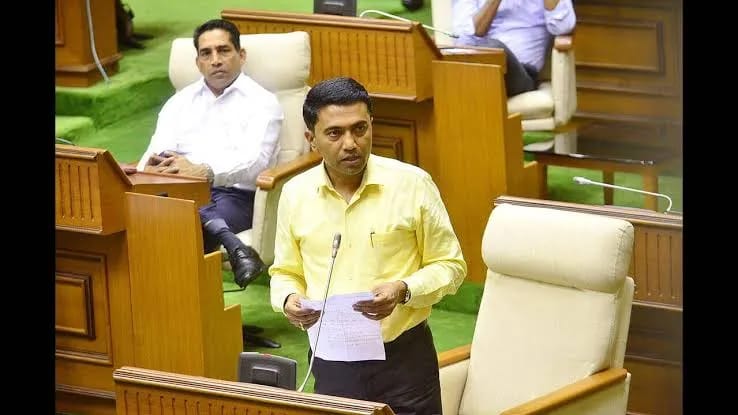
Goa CM Pramod Sawant Welcomes GST Reforms to Ease Taxpayer Challenges
Goa Chief Minister Pramod Sawant has welcomed the reforms discussed at the 57th GST Council meeting, saying the measures could address difficulties faced by taxpayers. The recommendations cover GST registration, returns, refunds and appeals, including a proposed cap on certain appeal-related pre-deposits.
By Haripriya • 10 views