
Delhi Gurdwara Protest FIR: Political Activity and Religious-Site Rules
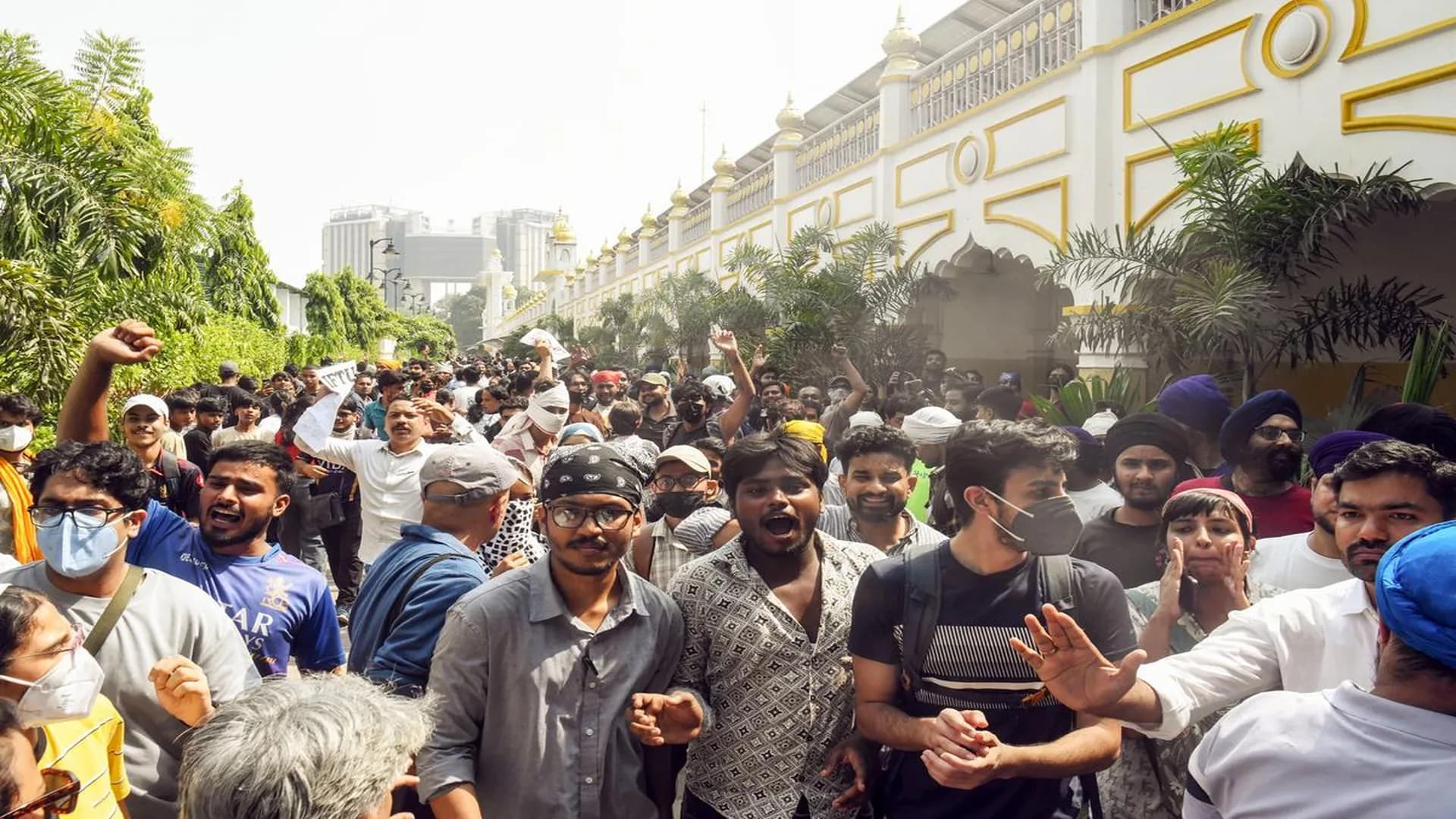
A complaint concerning an alleged political demonstration inside Delhi's Gurdwara Bangla Sahib has brought religious-site management and political protest into public discussion. Delhi Police registered an FIR following a complaint by the Delhi Sikh Gurdwara Management Committee (DSGMC), according to reporting published on October 12, 2026.
The incident has attracted attention because it involves allegations about political slogans inside a place of worship. The claims made by the complainant and the responses from the political side must be distinguished from findings that may emerge through an investigation.
What Is the Allegation?
The DSGMC alleged that people linked to the Aam Aadmi Party used the gurdwara premises for political demonstrations after initially receiving shelter and langar.
DSGMC president Harmeet Singh Kalka said the premises had initially welcomed the visitors but that political activity subsequently took place inside the religious complex. The committee requested identification of those involved and appropriate legal action.
These are allegations reported in connection with the complaint. The registration of an FIR does not itself establish that every allegation is true or that a particular person has been found guilty.
Why Is Gurdwara Bangla Sahib Significant?
Gurdwara Bangla Sahib is an important Sikh place of worship in Delhi. Religious institutions serve spiritual and community purposes, and many provide assistance to visitors regardless of their political affiliations.
The controversy centres on whether the premises were used for political activity in circumstances that the management committee considers inappropriate. The answer depends on the verified facts, the relevant rules and the outcome of the legal process.
A careful assessment should distinguish peaceful political expression in public spaces from activity that may breach the rules governing a particular institution.
The Competing Positions
The DSGMC has alleged that political slogans and posters were used inside the premises. AAP, in turn, raised a counter-allegation concerning police entry into the gurdwara and the sanctity of the site.
These positions should be reported separately and accurately. The existence of competing claims does not establish that both are equally supported by evidence. Investigators must examine the available material and the circumstances of the incident.
How Should Such Incidents Be Examined?
A fair investigation should establish what happened, who was present, what activity took place and whether any applicable law was breached. Statements from the complainant and other parties are relevant, but they should be assessed alongside available evidence.
Public discussion should avoid assigning guilt before the investigation reaches an appropriate stage. It should also avoid using a disputed incident to generalise about an entire religious community or political organisation.

Join the discussion
Comments (0)