
Ladakh Stakeholders Meet Home Ministry to Discuss Governance and Constitutional Safeguards
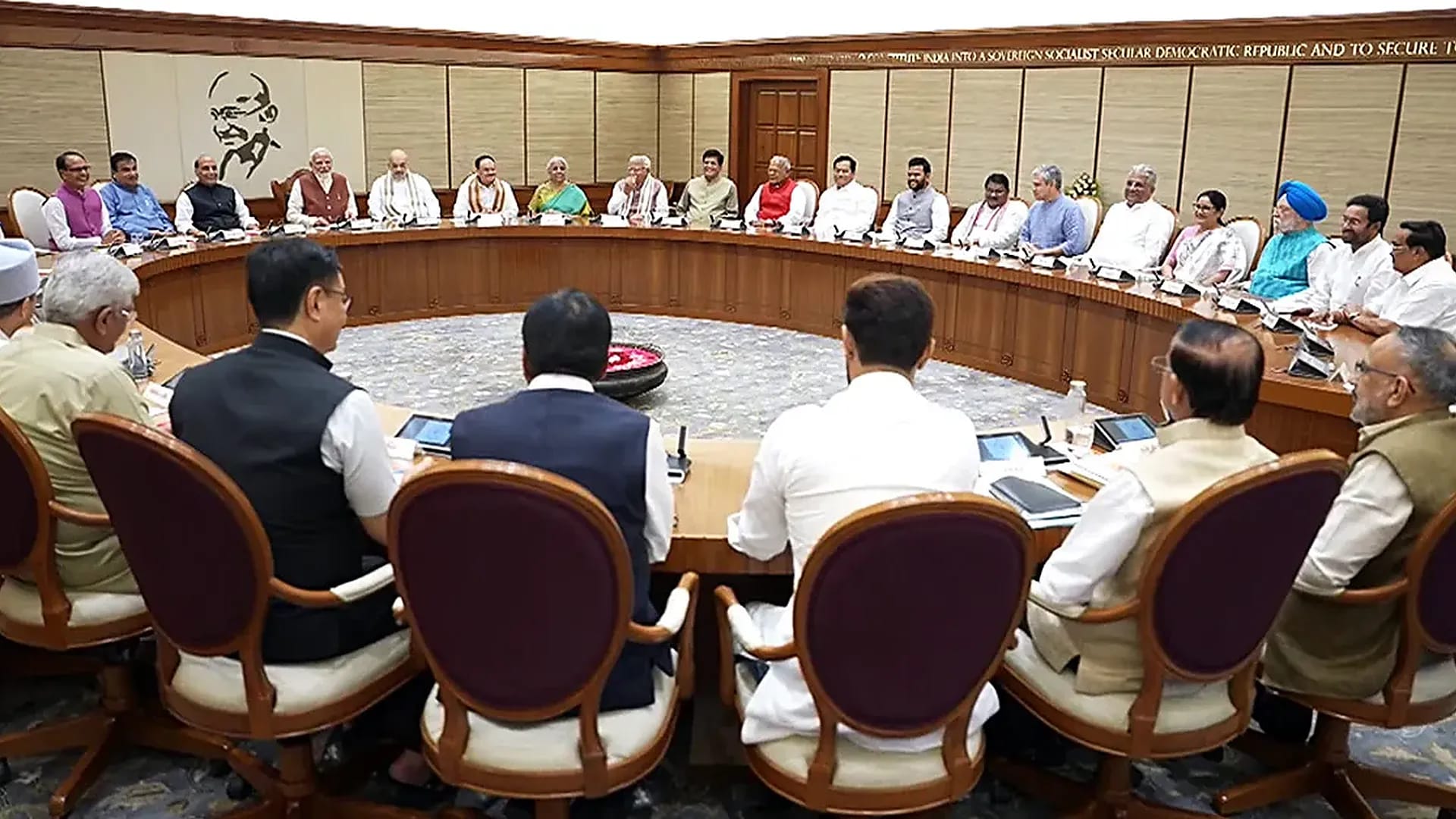
The Union Home Ministry is scheduled to meet representatives from Ladakh on 15 October 2026 to discuss possible arrangements for governance in the Union Territory. The discussions follow earlier meetings and form part of a continuing dialogue involving local representatives who have sought greater democratic participation, constitutional safeguards and a clearer framework for administrative decision-making.
The meeting is important because Ladakh’s political debate includes questions about local representation, protection of land and cultural interests, employment opportunities and the relationship between the Union Territory administration and elected local institutions.
What Is Being Discussed?
Representatives associated with the Leh Apex Body and the Kargil Democratic Alliance have been involved in discussions about Ladakh’s political and administrative future. Their demands have included statehood, constitutional safeguards, employment-related protections and changes intended to strengthen local representation.
The discussions are also expected to examine the possible structure and powers of a proposed elected governance body at the Union Territory level. Questions include how such a body would relate to the existing Ladakh Autonomous Hill Development Councils and which responsibilities should remain with local institutions.
The details matter because creating an elected body would require clarity about its legal powers, financial authority, responsibilities and relationship with the existing administrative system. The effectiveness of any proposal would depend on its final design and the extent of authority actually transferred.
Why Ladakh’s Governance Structure Matters
Ladakh became a Union Territory in 2019 following the reorganisation of the former state of Jammu and Kashmir. Since then, demands for stronger local decision-making have remained part of political discussions involving community organisations and local leaders.
The region has distinctive geographic, cultural and administrative requirements. Its dispersed settlements, difficult terrain and climate can affect the delivery of public services and the implementation of infrastructure projects. Local representatives have argued that governance arrangements should account for these circumstances.
The Leh and Kargil areas also have different political and social contexts. A workable arrangement would need to consider the interests of communities across the region rather than assume that all residents hold identical views on every issue.
Constitutional Safeguards and Local Representation
Constitutional safeguards can take different forms, depending on the legal framework adopted. Proposals concerning employment, land protections, elected institutions or legislative powers require careful examination of their legal basis and practical implications.
Any proposal for a new governance structure would need to define the responsibilities of the elected body, its funding arrangements and its relationship with the Lieutenant Governor and Union government. It would also need to clarify the functions retained by existing councils and local administrative institutions.
The discussion of possible constitutional provisions should not be treated as confirmation that a specific amendment has been approved. Any proposed legal change must be assessed through official documents and the relevant constitutional procedure.
The Role of Dialogue
Talks between the Home Ministry and Ladakh representatives provide a forum for discussing competing concerns and possible institutional arrangements. Their significance will depend on whether the meetings produce a mutually understood proposal, a defined timetable or further steps for consultation.
Negotiations can involve differences over the scope of local authority, the distribution of powers and the safeguards considered necessary by different groups. A meeting itself does not establish that agreement has been reached.
For residents, clear communication about the proposals under discussion is important. Publicly available information can help people understand what has been offered, which demands remain unresolved and what decisions require further legal or administrative action.
What Happens Next?
The next stage will depend on the outcome of the discussions and any formal statements issued by the Home Ministry or participating organisations. Further consultation may be needed before a detailed proposal can be finalised.
The issue remains significant for Indian politics because it concerns representation and governance in a strategically important Union Territory. The final assessment should be based on the actual powers, safeguards and institutional arrangements agreed upon, rather than the announcement of a meeting alone.

Join the discussion
Comments (0)