
Supreme Court to Hear Rahul Gandhi’s Plea on Electoral Roll Revision and Protest Restrictions
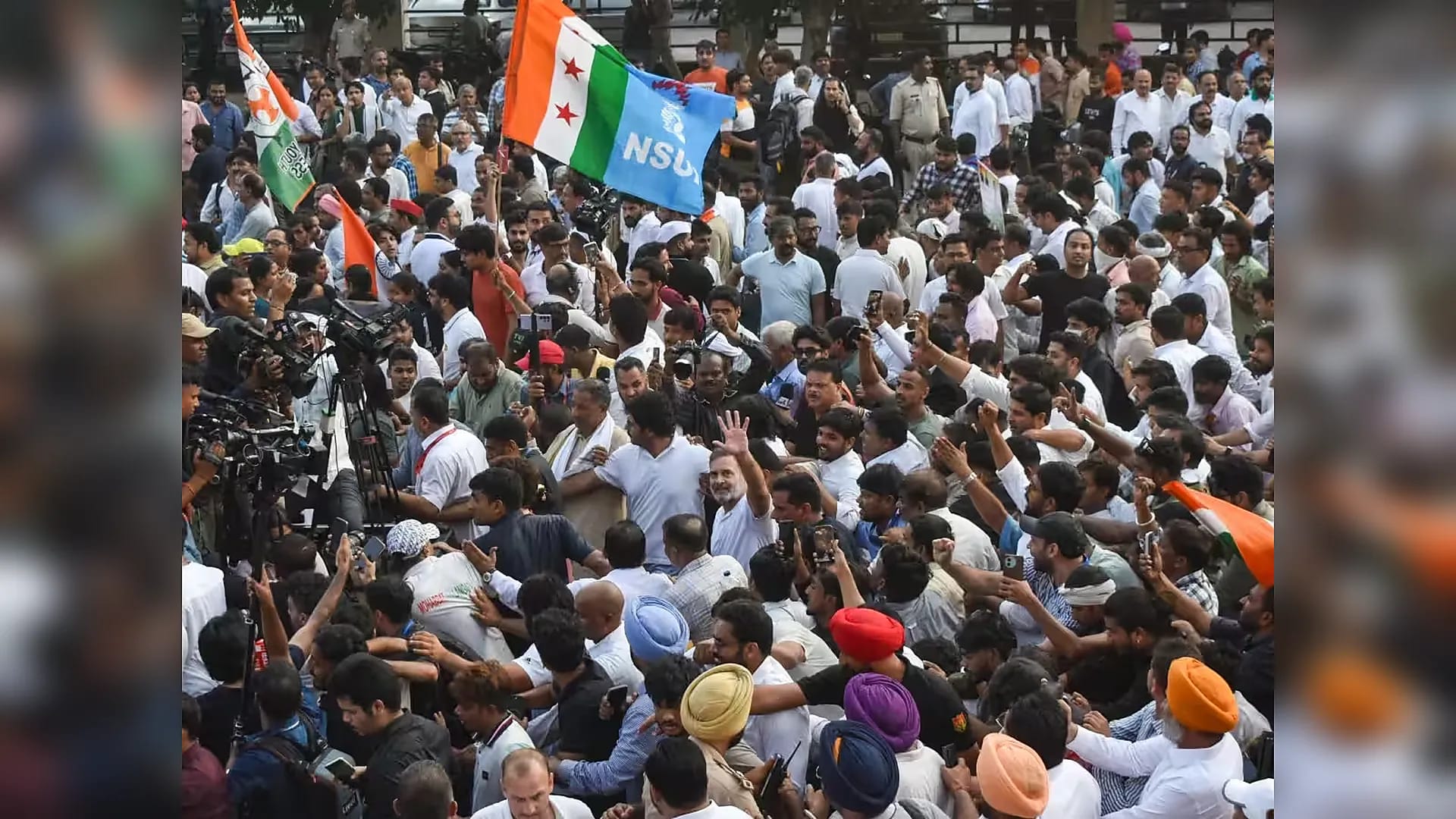
The Supreme Court is scheduled to hear petitions concerning the Election Commission of India’s Special Intensive Revision (SIR) of electoral rolls and restrictions on public protests in Delhi on 15 October 2026. The proceedings come amid an ongoing political dispute over voter-list revisions and the detention of demonstrators who have challenged the Election Commission’s handling of the process.
The legal developments involve two connected but distinct questions: the process used to revise electoral rolls and the rules governing public demonstrations. Opposition leaders have raised concerns about the impact of voter-list changes, while authorities have defended the electoral process and cited legal and administrative reasons for restrictions imposed during protests.
What Is at the Centre of the Dispute?
The Special Intensive Revision is an electoral-roll exercise intended to review and update voter records. Electoral rolls determine which eligible electors are registered to vote in particular constituencies. The accuracy of these lists is important because they must exclude ineligible entries while ensuring that eligible citizens are not wrongly removed.
Congress leader Rahul Gandhi and other opposition figures have questioned aspects of the revision process. Their concerns include the scale of changes to voter records and the safeguards available to people whose names may be removed. These are political and legal claims that must be examined against the applicable rules, official records and evidence presented before the courts.
The Election Commission has defended the revision process and maintained that people whose names are removed can seek registration again through the prescribed procedure. The central issue for judicial consideration is whether the process and safeguards comply with the relevant legal requirements.
Why Protest Restrictions Are Also Relevant
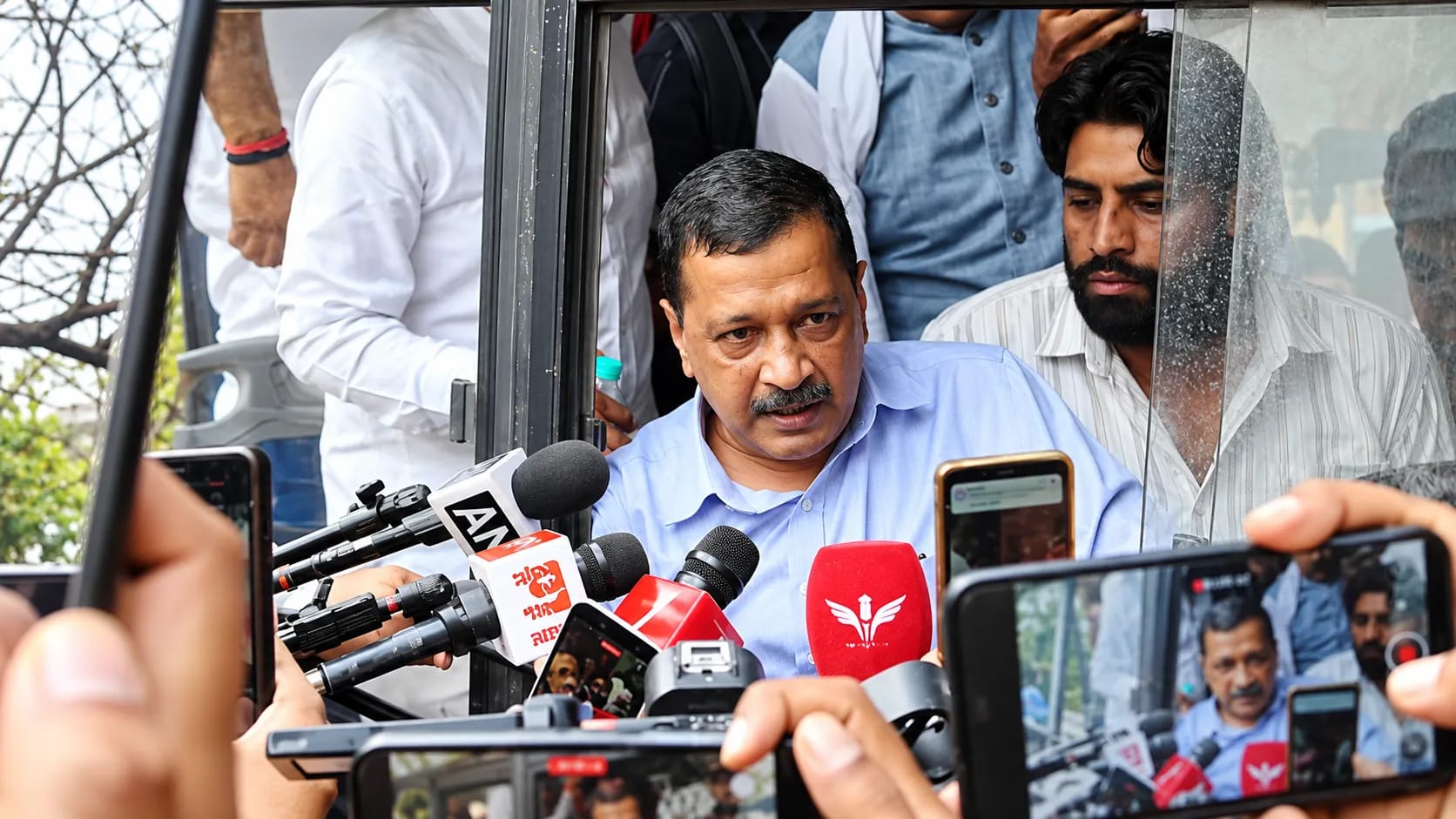
The proceedings concerning protest restrictions arise amid demonstrations against the electoral-roll revision and demands for accountability from election authorities. Police have cited restrictions and alleged breaches of applicable conditions in connection with action taken against protesters.
The right to peaceful assembly is protected within India’s constitutional framework, subject to lawful restrictions. Authorities may regulate public gatherings for reasons such as public order and traffic management, but the legality of a specific restriction depends on the relevant facts, rules and judicial assessment.
The Supreme Court’s consideration of petitions concerning both electoral-roll procedures and protest restrictions could clarify the legal questions raised by the parties. However, a scheduled hearing should not be treated as a judgment or as proof that any side’s allegations have been established.
What the Court’s Proceedings Could Clarify
The court may examine the legal basis of the challenged procedures, the material placed before it and the relief sought by the petitioners. The precise questions addressed will depend on the petitions, the submissions made by the parties and the court’s orders.
Citizens should distinguish between arguments presented by lawyers, interim observations made during a hearing and a final judicial decision. These have different legal significance. An observation during proceedings does not necessarily represent the court’s final conclusion.
The outcome could also depend on the scope of the petitions. A challenge to a particular procedure is not automatically a ruling on every aspect of electoral-roll revision nationwide. The wording of any eventual order will determine its scope and practical effect.
Implications for Election Administration
The dispute highlights the importance of transparent electoral-roll procedures. Clear rules, accessible registration services and an effective mechanism for correcting errors can help protect eligible voters while maintaining accurate records.
Public confidence also depends on the availability of verifiable information. Official data on additions, deletions, objections and resolved applications can help citizens understand how revisions are conducted. Where allegations arise, the relevant evidence and official responses should be examined rather than relying solely on political statements.
The proceedings also raise questions about how authorities balance the regulation of public gatherings with the right to peaceful protest. Those questions require consideration of the applicable law and the circumstances of each case.
What Happens Next?
The next important development is the Supreme Court’s hearing and any order issued afterward. Until the court makes a decision, claims about the legal validity of the challenged procedures should be attributed to the parties making them.
The case is significant because it concerns electoral administration and public protest, two areas central to democratic participation.
Join the discussion
Comments (0)