
Smriti Irani Criticises Congress Over Protests Against Electoral Roll Revision
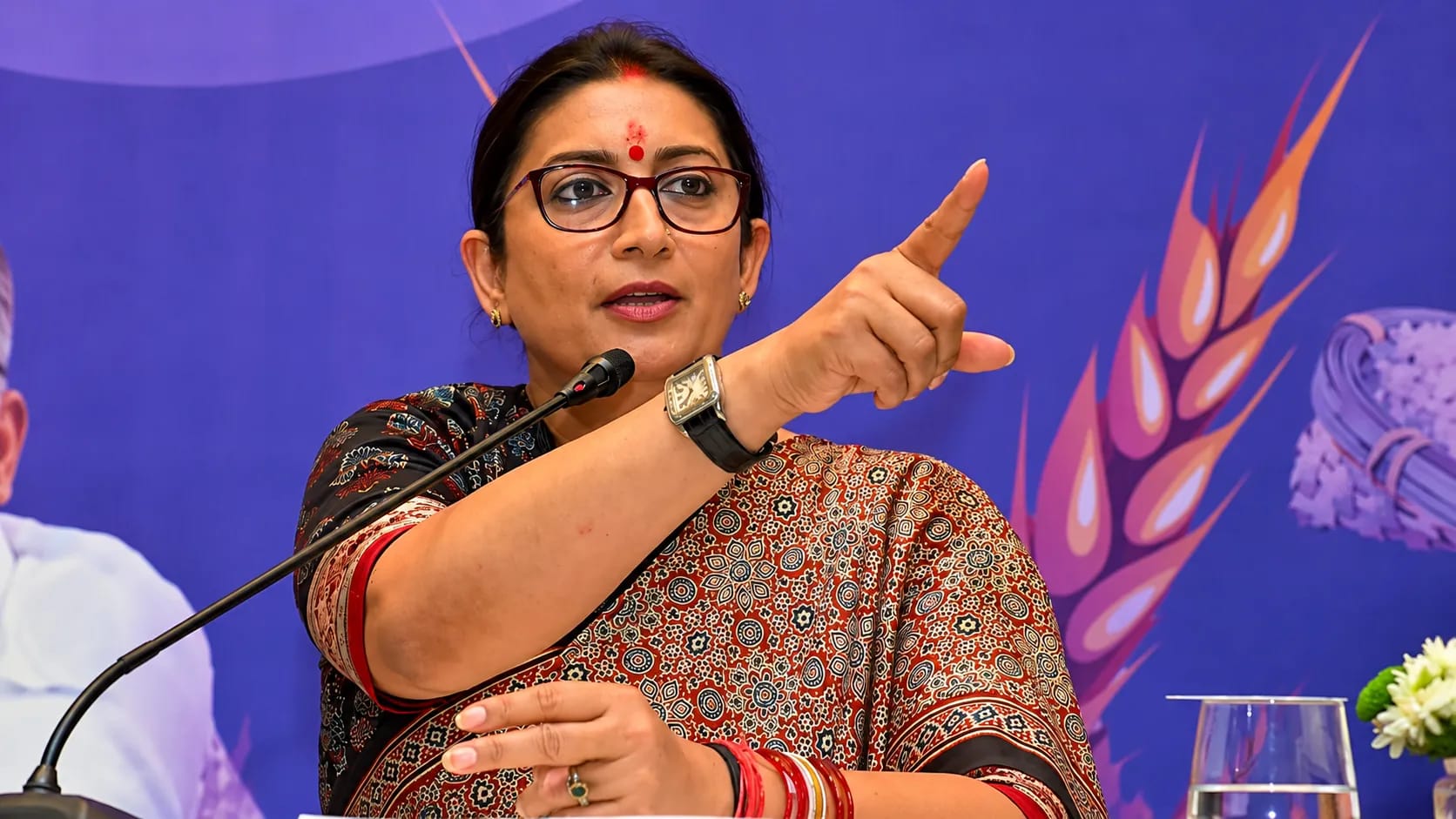
BJP national general secretary Smriti Irani criticised the Congress and opposition parties on 15 October 2026 over their protests against the Election Commission of India’s Special Intensive Revision of electoral rolls. Speaking in Lucknow, she argued that the opposition should examine its electoral performance rather than target the Election Commission.
Her remarks reflect the BJP’s position in the continuing political dispute over electoral-roll revisions. Opposition leaders have questioned the process and raised concerns about voter-list changes, while the Election Commission has defended its procedures and maintained that affected electors can apply for registration through the prescribed system.
What Smriti Irani Said
Irani argued that Congress should focus on understanding the reasons for its electoral defeats instead of questioning the Election Commission’s integrity. Her comments were directed at the opposition’s campaign against the revision process and its criticism of election administration.
The statement is a political argument about how electoral performance should be interpreted. It does not, by itself, resolve the questions raised about the revision process. Those questions require examination of the relevant rules, records and evidence.
Political leaders routinely interpret election outcomes differently. A party may attribute a defeat to campaign strategy, voter preferences, organisational weaknesses or wider political circumstances. Such explanations are political assessments unless supported by specific evidence.
Why the SIR Process Is Contested
The Special Intensive Revision involves reviewing and updating electoral rolls. These lists identify registered voters in the relevant constituencies and are central to election administration.
The process must address two important objectives: removing entries that do not meet the applicable requirements and ensuring that eligible citizens are not wrongly excluded. Errors in voter records can arise for different reasons, including changes of residence, inaccurate personal details and outdated entries.
Opposition parties have alleged that the revision process raises concerns about voter exclusion and transparency. The Election Commission has defended the exercise and stated that eligible people can use the prescribed process to register or correct their details.
The competing claims should be assessed against official data, the rules governing revision and the handling of individual objections. A political allegation is not automatically proof of wrongdoing, but neither does a political rebuttal replace examination of the underlying records.
The Political Disagreement
The dispute has become part of a wider disagreement between the BJP and opposition parties over election administration and institutional accountability. Opposition leaders have argued that the revision process requires scrutiny, while BJP leaders have defended the Election Commission and criticised the opposition’s approach.
Irani’s remarks seek to shift the debate towards the opposition’s electoral performance. Critics of the revision process, however, have focused on the procedures used to update voter records and the safeguards available to affected citizens.
These are different arguments and should not be conflated. Questions about why a party loses an election are not identical to questions about whether an electoral-roll procedure has been administered correctly. Both can be examined, but they require different evidence.
What Evidence Can Clarify the Debate?
Relevant information includes the number of names added or removed, the reasons recorded for changes, the number of objections submitted and the outcomes of applications seeking correction or restoration. The availability and clarity of such data can help citizens assess claims about the process.
Individual cases also matter. If a voter says their name was removed incorrectly, the relevant records and the official response can help establish what happened. An isolated case should not automatically be treated as proof of a nationwide pattern, but it should be examined under the applicable procedure.
Political parties can present their interpretations, while journalists and citizens can compare those claims with official documents and legal developments. This approach helps distinguish rhetoric from verified information.
What Happens Next?
The dispute is likely to remain part of political discussion as courts and election authorities consider related questions. The practical significance will depend on the evidence presented, any judicial directions and the steps taken to address valid registration problems.
Irani’s statement represents the BJP leader’s criticism of the opposition’s campaign. The wider controversy must be assessed separately through the documented electoral-roll process and the responses of the institutions involved.
Join the discussion
Comments (0)