AFSPA Extension Sparks Fresh Northeast Debate! Manipur, Nagaland and Arunachal Face Renewed Security and Civil Rights Questions
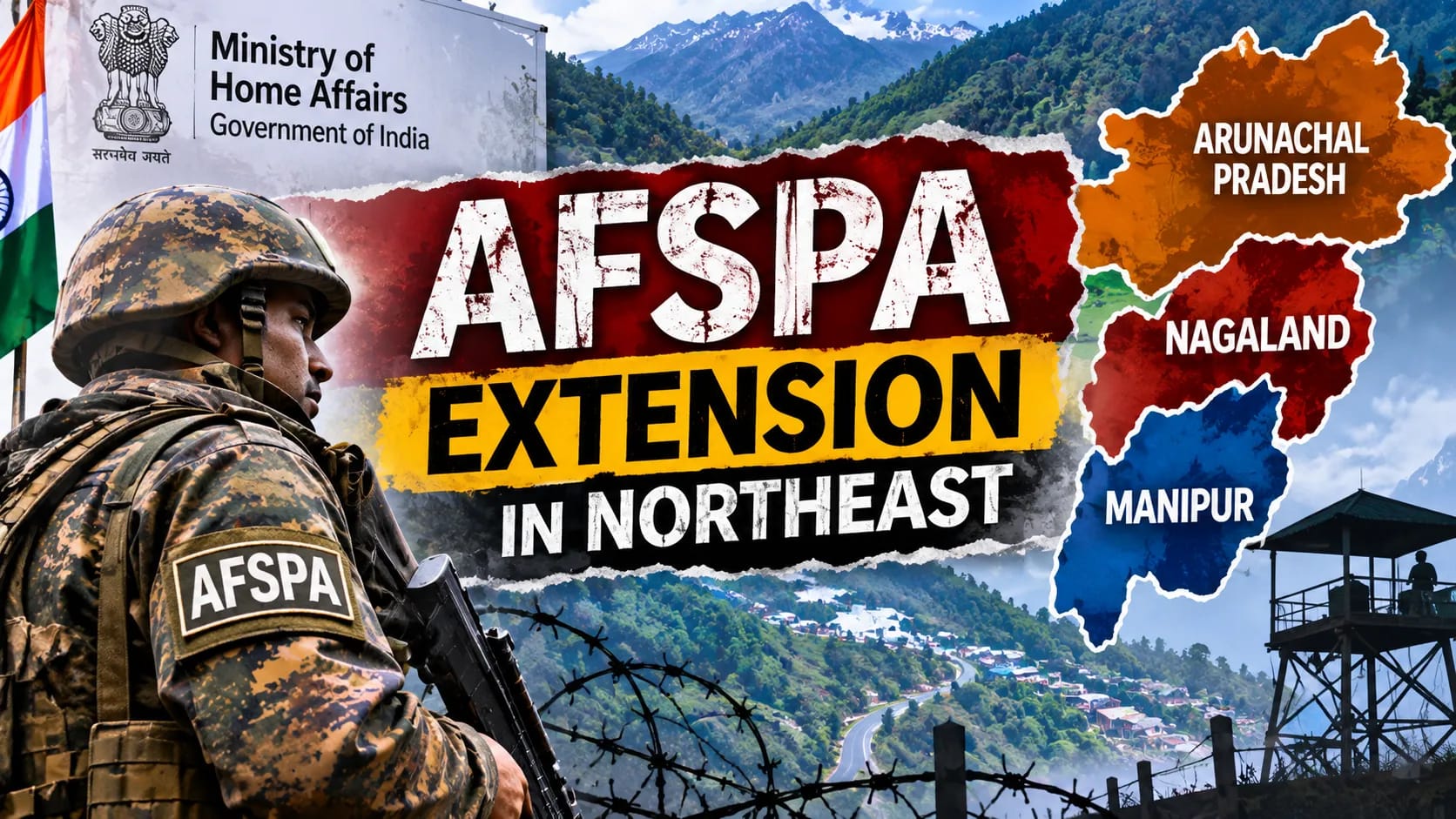
Centre's AFSPA decision brings Northeast security into focus
The Union Government's decision to extend the Armed Forces (Special Powers) Act (AFSPA) in specified areas of Manipur, Nagaland and Arunachal Pradesh has brought the Northeast's security situation back into national political discussions.
The Ministry of Home Affairs issued the relevant notifications on 24 September 2026.
Under the decision, the extension came into effect from 1 October 2026 and is scheduled to remain in force for six months unless withdrawn earlier.
What is AFSPA?
The Armed Forces (Special Powers) Act is a law that provides special powers to armed forces operating in areas officially declared disturbed.
Under the legislation, authorised personnel receive specified operational powers, subject to the conditions and legal safeguards contained in the Act.
The debate has continued for decades, particularly in Northeast India, where communities have experienced prolonged periods of conflict and security operations.
Manipur: Security concerns remain significant
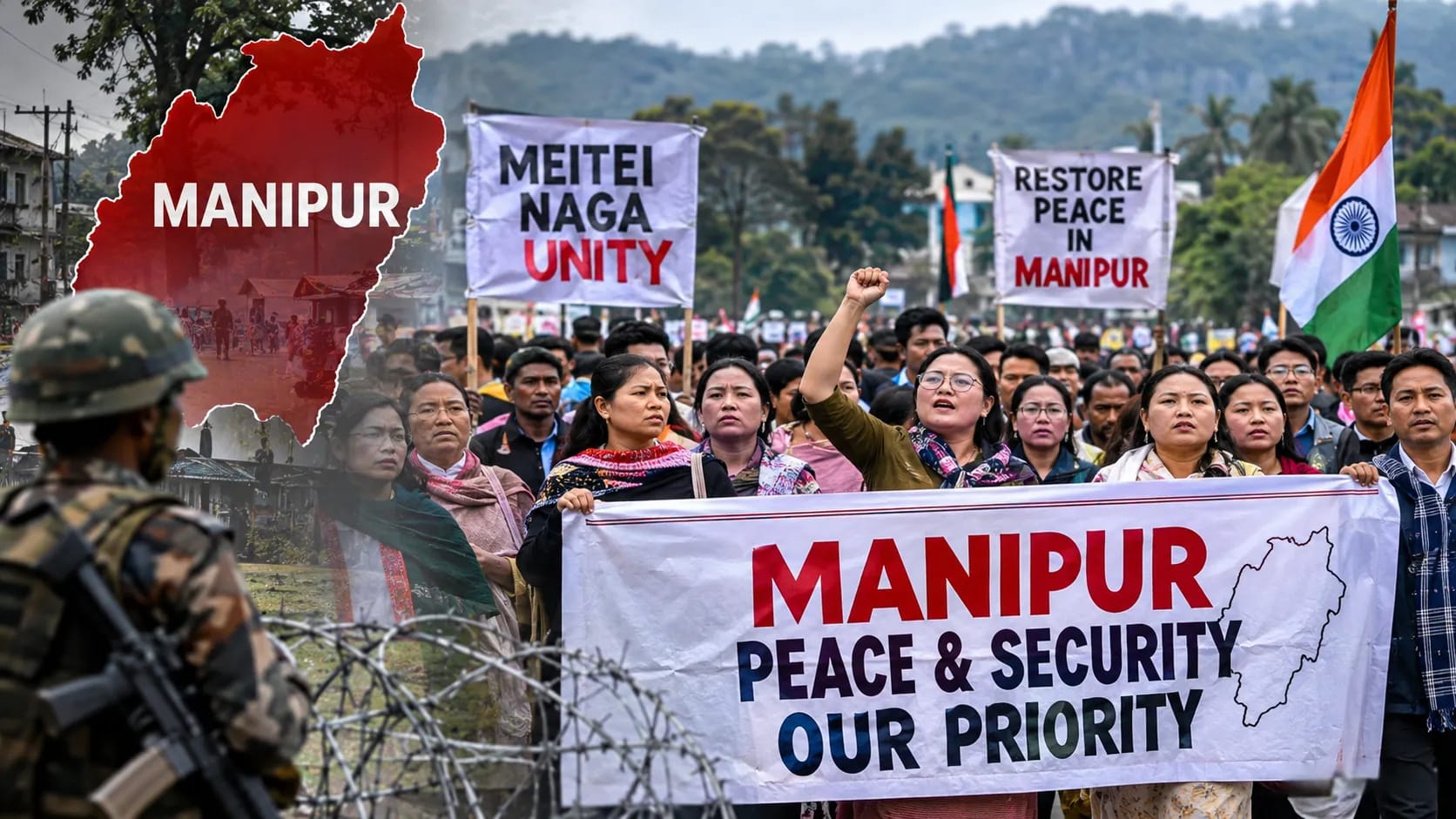
Manipur remains one of the most politically sensitive regions in the Northeast following the ethnic violence that began in May 2023.
The state continues to face challenges involving displacement, community tensions and the restoration of public confidence.
Under the September notification, the disturbed-area declaration was extended across Manipur, excluding areas under the jurisdiction of 13 police stations in five districts.
Nagaland: Continued security restrictions
In Nagaland, the Centre extended the disturbed-area declaration across nine districts.
These include:
Dimapur
Niuland
Chumoukedima
Mon
Kiphire
Noklak
Phek
Peren
Meluri
Arunachal Pradesh: Specified districts and areas remain under scrutiny
The Centre also extended AFSPA-related disturbed-area provisions in specified areas of Arunachal Pradesh.
The September notification concerns designated areas, including Tirap, Changlang and Longding, along with specified police-station jurisdictions in other districts bordering Assam.
Security versus civil liberties: The political Analysis continues
AFSPA remains one of the most debated security laws in India.
The government must balance operational security requirements with the constitutional rights and concerns of civilians.
For residents of affected areas, questions about accountability, safety and freedom from violence remain extremely important.
What happens next?
The six-month extension places renewed responsibility on the authorities to monitor security conditions and assess whether the existing restrictions remain necessary.
The Centre and state governments will need to demonstrate that security measures are part of a broader strategy for stability rather than a substitute for political reconciliation.
The biggest question is whether the Northeast can gradually move towards a situation where security requirements decline and normal democratic governance becomes stronger.



Join the discussion
Comments (0)