Ranchi Political Face-Off! BJP Takes Out March as INDIA Bloc's Anti-SIR Protests Intensify
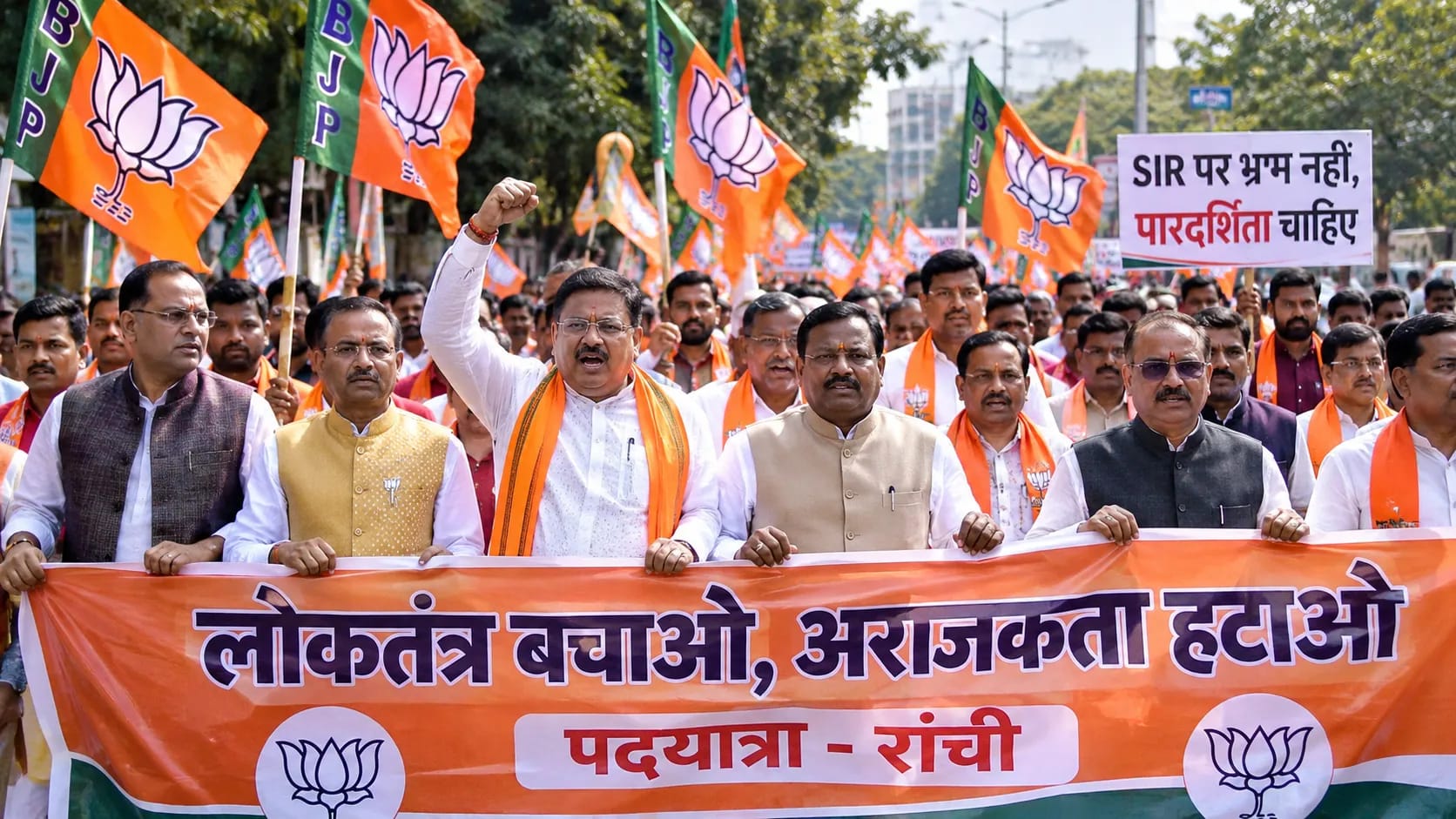
Jharkhand's political atmosphere witnessed fresh activity on November 2 as the Bharatiya Janata Party (BJP) organised a march in Ranchi, bringing the ongoing national political confrontation over electoral processes and opposition protests into the state's political discussion.
The march was organised as part of the BJP's 'Loktantra Bachao, Arajakta Hatao' campaign. Party leaders said the initiative was intended to mobilise public support against what they described as attempts by opposition parties to destabilise elected governments.
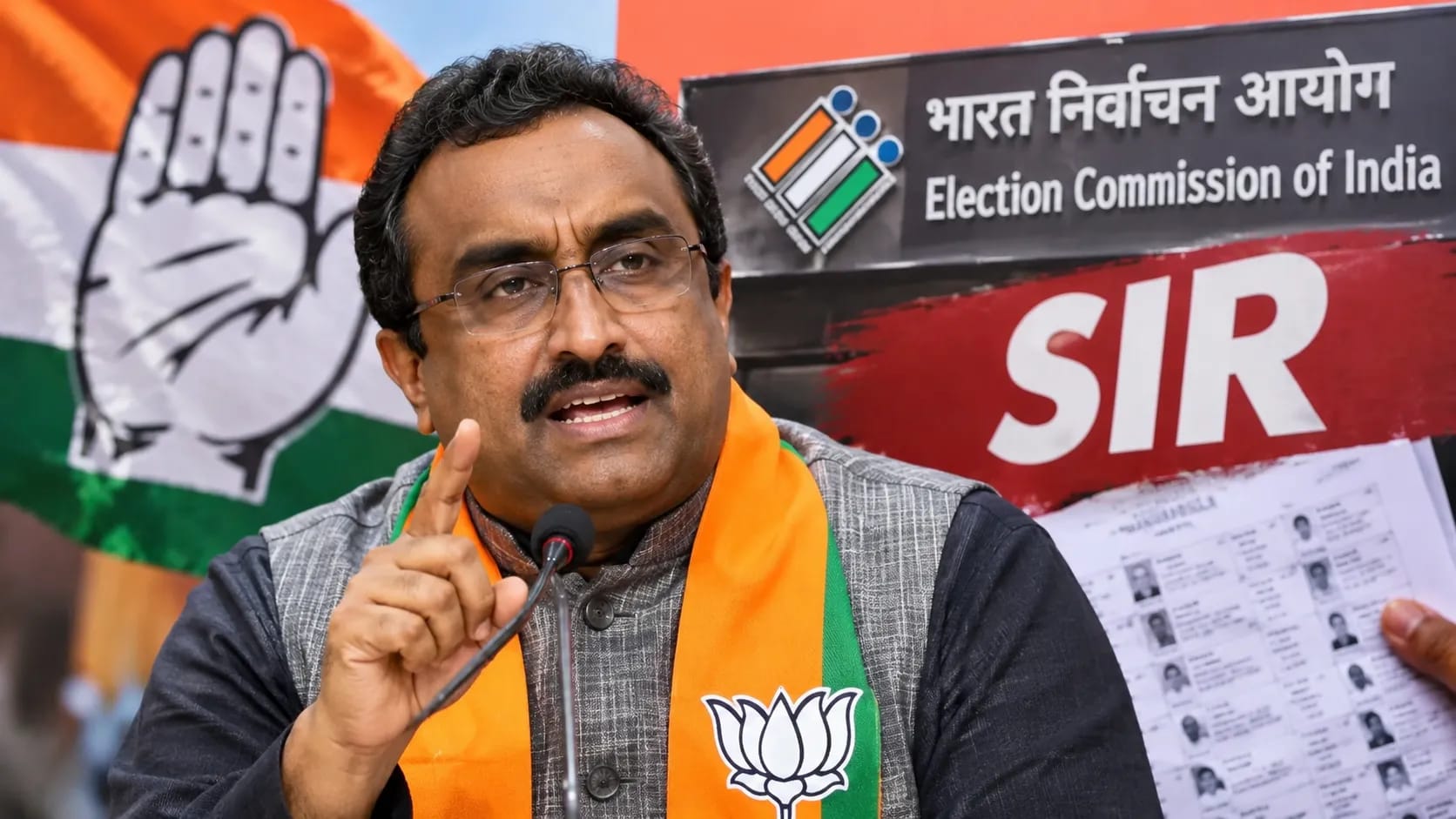
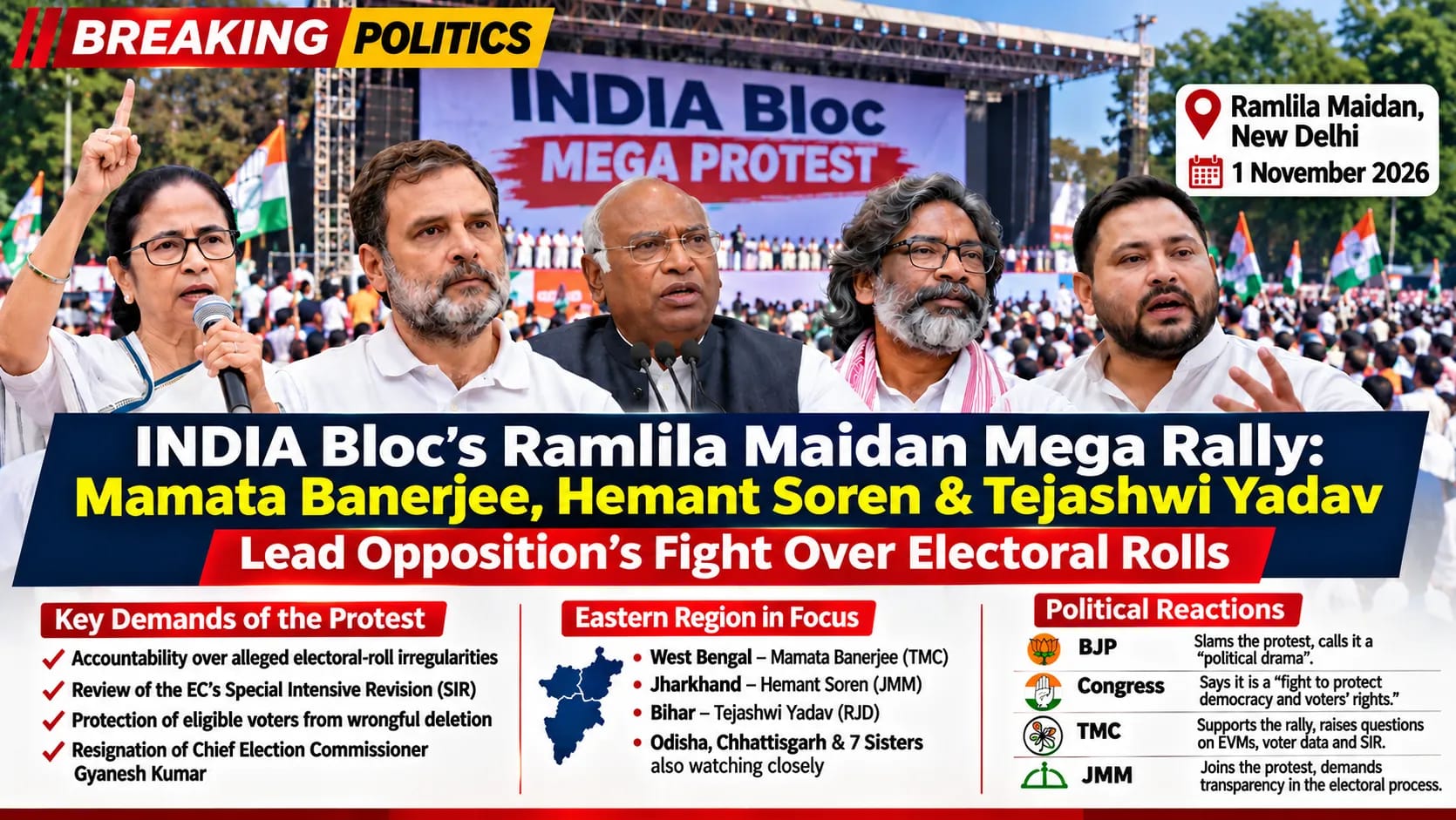
The development came shortly after prominent INDIA bloc leaders participated in a rally at Ramlila Maidan in New Delhi, where they raised allegations of electoral irregularities and criticised the Special Intensive Revision (SIR) of electoral rolls.
BJP Leaders Lead March Through Ranchi
On Monday, November 2, Jharkhand BJP leaders and party workers took out a padyatra in Ranchi.
The march began at Morabadi Ground and covered approximately 1.5 kilometres before concluding near the Birsa Munda Museum at Jail Chowk.
The programme was led by BJP state president Aditya Sahu.
Several prominent party leaders participated, including former Union minister Arjun Munda, Ranchi MLA C. P. Singh and Leader of Opposition Babulal Marandi.
The march was presented as part of the BJP's wider political campaign to counter the opposition's allegations and mobilise public support.
INDIA Bloc's SIR Protest Adds to Political Tensions
The BJP's Ranchi march followed a major INDIA bloc gathering at Ramlila Maidan in New Delhi on November 1.
Opposition leaders from different political parties participated in the rally and raised concerns about electoral irregularities and the SIR exercise.
The opposition has questioned aspects of electoral roll revision and raised concerns about the possibility of eligible voters facing difficulties during the process.
The BJP, on the other hand, has defended the revision exercise and rejected allegations that it is intended to manipulate electoral outcomes.
Aditya Sahu Targets Opposition Parties
During the Ranchi march, BJP state president Aditya Sahu criticised the opposition's political campaign.
He accused Congress and other opposition parties of misleading people through allegations against the BJP.
Sahu also questioned the opposition's claims about electoral manipulation, arguing that the political narrative should be examined against the electoral record in different states.
His comments reflected the BJP's attempt to counter the opposition's criticism through public mobilisation.
The party also raised concerns about the political atmosphere in Jharkhand and criticised the functioning of the state's JMM-led coalition government.
BJP Raises Law-and-Order Issues in Jharkhand
Apart from the SIR controversy, BJP leaders also raised questions about law and order in Jharkhand.
During the march, Sahu criticised the Hemant Soren-led government and alleged that women were not adequately protected in the state.
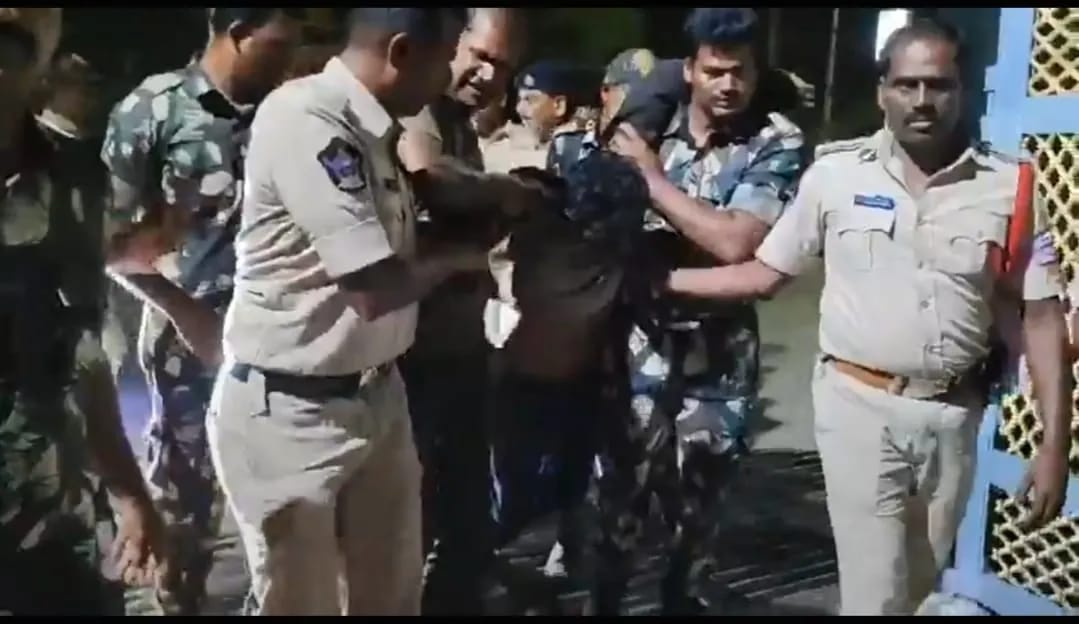
He referred to an incident in Seraikela-Kharsawan district involving an alleged sexual assault inside a police station.
The incident was cited by the BJP as an example of its concerns about public safety and policing.
What Is at Stake in the SIR Debate?
The Special Intensive Revision of electoral rolls is an important administrative exercise because voter lists determine who can participate in elections.
The process can involve checking existing entries, identifying deceased or shifted voters and ensuring that eligible citizens are included.
However, electoral roll revision also raises important questions about documentation, accessibility and the protection of voting rights.
The political disagreement surrounding SIR highlights the need for transparent procedures, accessible grievance mechanisms and clear communication from election authorities.
Why Ranchi's Political Developments Matter
The BJP's march in Ranchi demonstrates how a national political issue can become part of state-level political mobilisation.
Jharkhand has its own political contest involving the BJP, the JMM-led ruling coalition, Congress and other opposition parties.
The SIR controversy provides another issue around which parties can organise demonstrations, criticise opponents and communicate their positions to voters.
Conclusion
Ranchi's November 2 march has added another chapter to the political disagreement between the BJP and INDIA bloc.
While the BJP sought to challenge opposition allegations through public mobilisation, INDIA bloc leaders have continued to raise concerns about electoral processes.
The controversy is no longer limited to political speeches. It raises wider questions about voter confidence, electoral transparency and the responsibilities of democratic institutions.
As the debate continues, the focus will remain on evidence, official explanations and the protection of every eligible citizen's right to vote.
Join the discussion
Comments (0)