Ladakh Constitutional Safeguards Talks Remain Stalled Over Powers of Proposed Elected Body
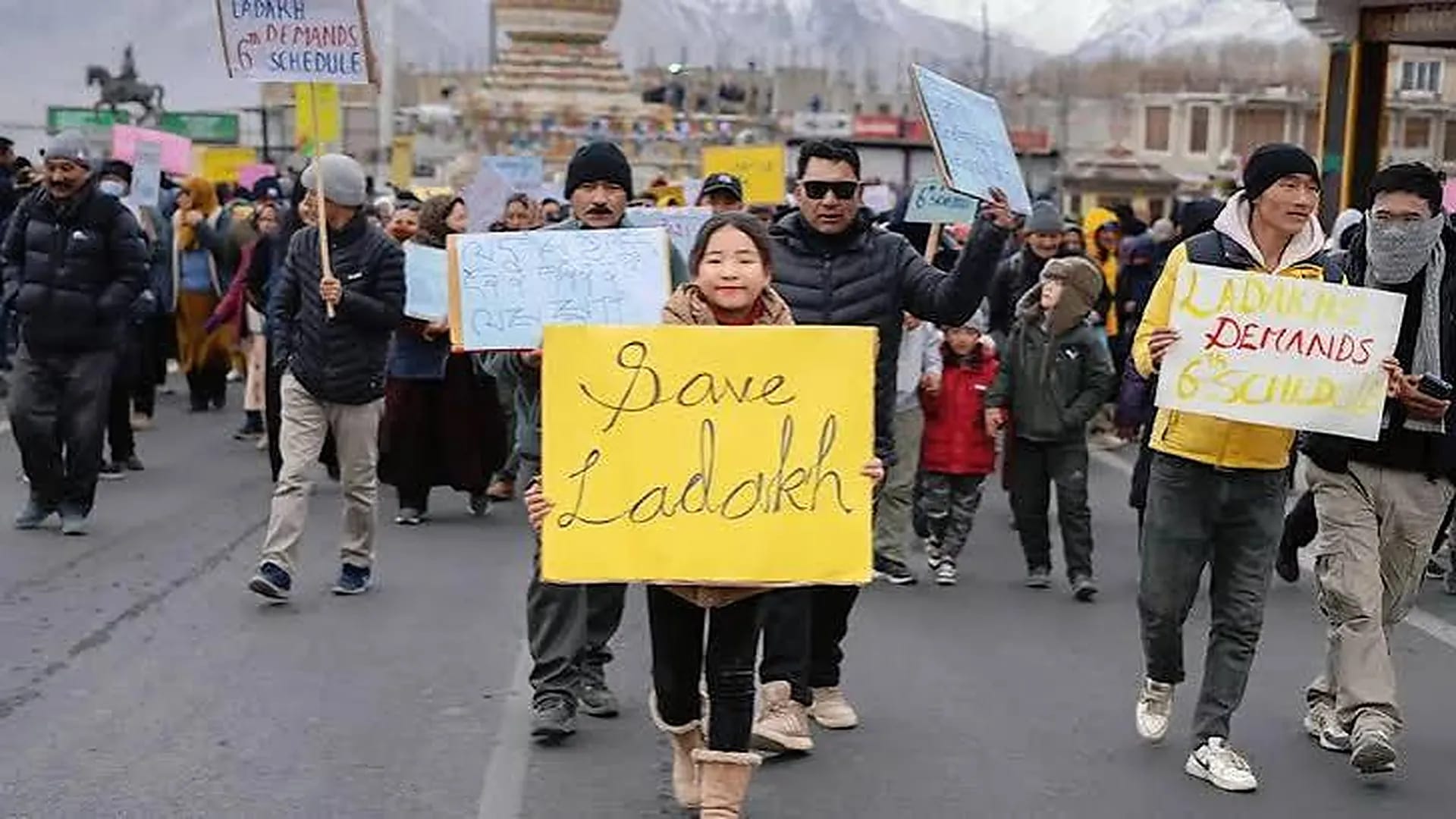
Ladakh Constitutional Safeguards Talks Remain Stalled Over Powers of Proposed Elected Body
Negotiations between representatives of Ladakh and the Union Ministry of Home Affairs have remained unresolved over the proposed framework for constitutional safeguards in the Union Territory. The disagreement centres on the powers of a proposed elected body, the scope of local decision-making and the protections needed to address demands raised by representatives from Leh and Kargil.
The Leh Apex Body (LAB) and the Kargil Democratic Alliance (KDA) have participated in discussions with the Centre over Ladakh's political future. Their demands have included stronger constitutional protection, greater local representation and a governance framework that addresses concerns about land, employment, culture and decision-making authority.
The latest round of discussions had been expected to take place in New Delhi on October 22, 2026. The meeting's actual status must be confirmed through official announcements before this article is published as a same-day update.
Why Ladakh's Governance Framework Is Under Debate
Ladakh became a Union Territory in 2019 following the reorganisation of the former state of Jammu and Kashmir. Since then, questions about political representation and constitutional safeguards have remained central to public debate in the region.
Local representatives have argued that Ladakh requires meaningful protection for its land, cultural identity and employment interests. They have also sought a governance structure that gives residents a stronger role in decisions affecting their future.
The exact legal structure of any final arrangement would need to be established through the relevant constitutional text and legislation. A proposal discussed in negotiations should not be described as enacted law unless the necessary legal steps have been completed.
The Disagreement Over Legislative Powers
A central question is what authority the proposed elected institution would possess. Local representatives have argued that constitutional protection must provide meaningful powers rather than simply create a new body without sufficient control over important decisions.
The scope of legislative authority affects the ability of representatives to make decisions on local priorities. Related questions include executive responsibility, financial powers and the division of authority between elected representatives and the administration.
These issues are important because the effectiveness of a governance framework depends on how powers are defined and implemented. A system that leaves significant responsibilities unclear may create further disputes over who is entitled to make particular decisions.
Why Leh and Kargil Both Matter
The Leh Apex Body and Kargil Democratic Alliance represent political and community interests in different parts of Ladakh. Their participation is significant because any long-term arrangement needs to address concerns across the Union Territory.
A political settlement would need to clarify the powers of the proposed institution, the nature of constitutional protection and the arrangements for local representation. The details matter because the framework would shape how residents engage with governance in the future.
The Centre's Position and the Need for Negotiation
The Union government has engaged in discussions intended to address the demands raised by Ladakh's representatives. The proposal under consideration has been presented as a possible route to constitutional protection and a new elected arrangement.
However, local representatives have said that the draft does not adequately meet their expectations. The disagreement illustrates the gap between the framework proposed by the Centre and the level of authority sought by the organisations representing Leh and Kargil.
The parties will need to clarify which aspects of the proposal can be modified and which issues require further legal or political discussion. Public statements from either side should be checked against the actual draft and formal records of meetings.
What the Dispute Means for Residents
The negotiations are relevant to residents because the governance framework may affect the handling of land-related matters, employment protections, cultural concerns and local development priorities.
A clearer division of powers could help establish accountability and reduce uncertainty about which institution is responsible for particular decisions. However, the outcome depends on the final terms of any agreement and how they are implemented.
For now, the absence of a confirmed settlement means that the main questions remain unresolved. Residents and political organisations will continue to look for clarity about the timetable and substance of future negotiations.


Join the discussion
Comments (0)