INDIA Bloc Plans November 1 Protest as Opposition Renews Election Commission Criticism
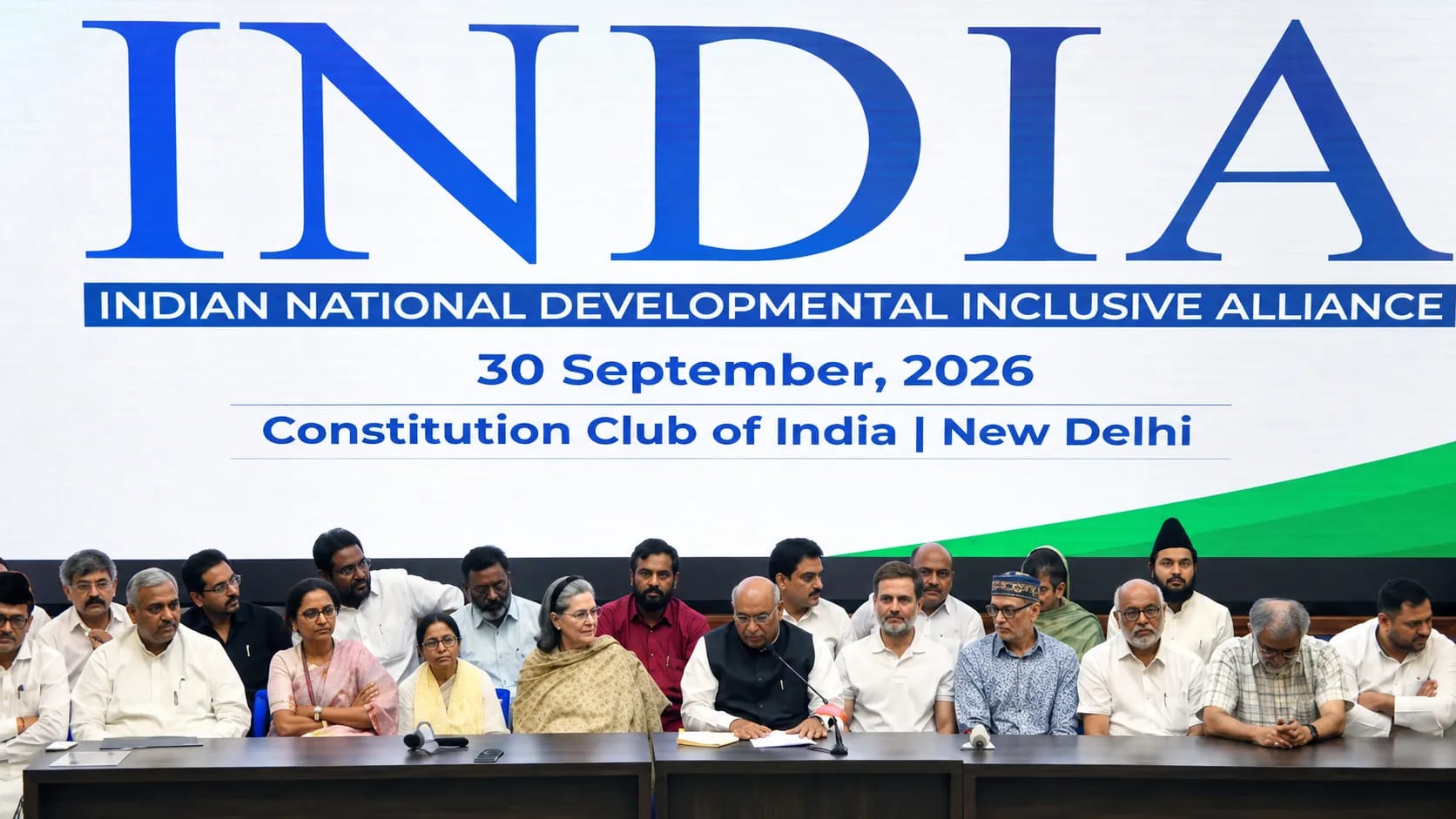
The opposition INDIA bloc is preparing another round of political mobilisation over concerns relating to India’s electoral process, with leaders planning a rally in Delhi on 1 November 2026. The proposed event is expected to focus on opposition allegations concerning electoral irregularities and criticism of Chief Election Commissioner Gyanesh Kumar.
According to reports on 22 October, Congress president Mallikarjun Kharge is expected to chair a meeting of opposition leaders to review preparations for the rally and discuss the next stage of their campaign.
Electoral Transparency at the Centre of the Dispute
The opposition’s campaign has focused on questions surrounding voter-list revisions and what its leaders describe as concerns about electoral fairness. The bloc has used the phrase “vote chori” in its political messaging.
These statements represent the opposition’s allegations and political characterisation. They should not be presented as established proof of election manipulation without supporting findings from competent authorities.
Electoral roll revision is an important administrative process because voter lists determine who is eligible to participate in an election. The process must follow applicable rules and provide appropriate procedures for correcting errors and addressing complaints.
Why the Election Commission Is Facing Political Scrutiny
The Election Commission of India is responsible for administering elections within its constitutional and legal mandate. Political parties may challenge particular decisions, seek explanations or raise complaints through the relevant legal and administrative mechanisms.
The current dispute reflects a broader disagreement between opposition leaders and the authorities over electoral administration. Opposition parties are seeking greater accountability, while claims about specific irregularities require examination against records and evidence.
A careful assessment should distinguish between documented administrative errors, allegations made by political parties and findings reached by courts or election authorities. Each category has a different evidentiary status.
INDIA Bloc Seeks a Coordinated Response
The planned meeting provides an opportunity for opposition leaders to coordinate their messaging and discuss the structure of the November 1 event. It also gives participating parties a chance to determine how they intend to pursue their concerns through public demonstrations and institutional channels.
Coordinating across multiple parties can be challenging because the INDIA bloc includes organisations with different state-level priorities and political strategies. A common campaign requires agreement on the issues to highlight and the actions to pursue.
The extent of participation and the specific programme for the rally should be confirmed through official announcements closer to the event.
What Happens Next?
The next developments will depend on the opposition meeting, the final rally arrangements and any responses from the Election Commission or the government. The dispute may also continue through formal complaints, administrative review or court proceedings, depending on the specific issues raised.
Conclusion:
The proposed November 1 rally signals that electoral transparency will remain a prominent issue in opposition politics. Its significance will depend on the concerns formally raised, the evidence presented and the responses provided by the relevant institutions.
Join the discussion
Comments (0)