Naidu–Vijay Meeting Puts Southern Political Coordination Back in Focus Ahead of 2029
Naidu–Vijay Meeting Puts Southern Political Coordination Back in Focus Ahead of 2029
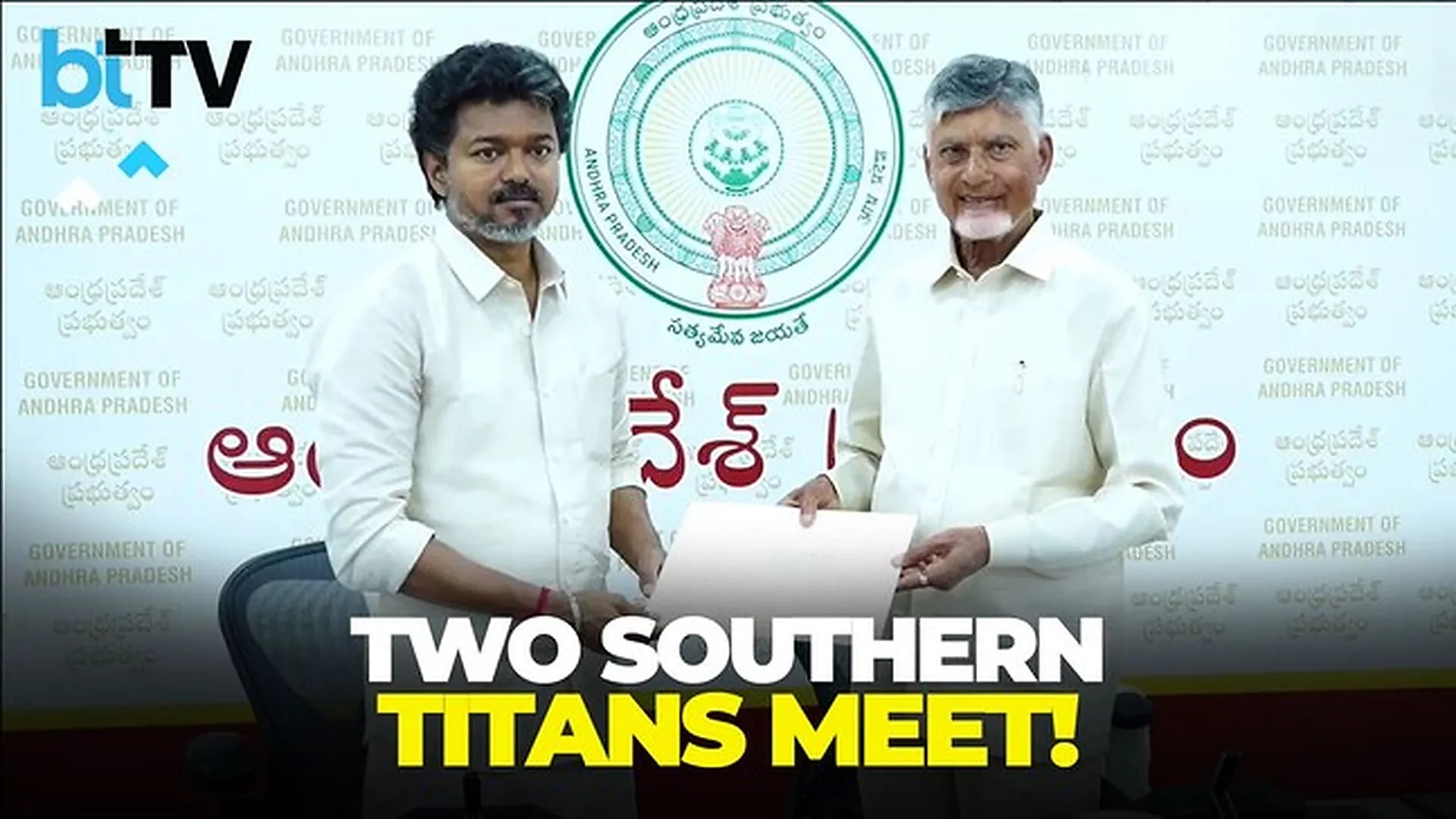
A meeting between Andhra Pradesh Chief Minister N. Chandrababu Naidu and Tamil Nadu Chief Minister C. Joseph Vijay has renewed attention on political coordination among major leaders in southern India. The interaction, reported on October 21, 2026, has prompted discussion about regional priorities and the relationships between political parties ahead of the next general election, scheduled for 2029.
The meeting is noteworthy because Naidu and Vijay operate in different state political environments and lead parties with distinct organisational histories. Their interaction has encouraged questions about how regional leaders may approach cooperation, public policy and national-level political issues over the coming years.
However, a meeting between two leaders does not by itself establish an electoral alliance or a shared political strategy. Any conclusion about a formal arrangement requires confirmation through statements from the leaders or their parties.
Why the Meeting Has Drawn Attention
Chandrababu Naidu leads the Telugu Desam Party and heads the government in Andhra Pradesh. His party's relationship with national political organisations has made him an important participant in discussions involving state and national politics.
C. Joseph Vijay leads Tamilaga Vettri Kazhagam, a party that has entered Tamil Nadu's political landscape with its own organisational identity and priorities. The party's future relationships with other political organisations remain a subject of political discussion.
The interaction between the two leaders has attracted attention because regional parties can influence national political debates through their representation, policy positions and relationships with other parties.
Nevertheless, the significance of a meeting must be assessed through its stated purpose, the issues discussed and any formal decisions announced afterwards. Without such information, it would be premature to describe the interaction as the beginning of an alliance.
Regional Parties and National Politics
India's federal political system gives state parties an important role in shaping public policy and national-level political relationships. Their influence depends on electoral representation, regional priorities and the relationships they maintain with other parties.
Regional leaders often discuss issues that affect their states, including infrastructure, economic development, public finance, federal transfers and the implementation of national policies. These discussions can occur across party lines without implying an agreement to contest elections together.
Naidu's political experience and Vijay's emerging party organisation provide different contexts for the interaction. Their priorities may overlap on some issues and differ on others.
What the Interaction Does and Does Not Establish
The reported meeting establishes that the two leaders interacted. Its wider political meaning depends on information about the agenda, the statements issued afterwards and any follow-up actions.
If the leaders discussed administrative matters or state-level cooperation, the interaction should be reported in those terms. If they announced a joint political initiative, the announcement would need to be verified from official statements.
It would be inaccurate to present speculation about future alliances as an established fact. Similarly, a meeting should not be described as evidence that either leader has committed to a particular national electoral arrangement unless the relevant parties confirm that position.
The Role of State-Level Priorities
Andhra Pradesh and Tamil Nadu have distinct political and administrative priorities. Each government must address its state's economic requirements, infrastructure plans, public services and relationship with the Union government.
Interactions between their leaders may provide opportunities to discuss areas of mutual interest. Such discussions can be relevant even when the parties have different national political relationships.
For political observers, the key question is whether the interaction produces a specific agreement, policy initiative or continuing channel of cooperation. Without an official outcome, the meeting remains a development worth reporting but not sufficient evidence of a new political bloc.
Looking Towards 2029
The next general election is scheduled for 2029, leaving considerable time for political relationships and strategies to evolve. Parties may review their organisational priorities, negotiate with potential partners or focus on strengthening their position within their respective states.
The meeting between Naidu and Vijay may therefore be understood as part of a wider pattern of interaction among regional leaders. Whether it leads to further cooperation will depend on subsequent meetings, public statements and concrete political decisions.
Join the discussion
Comments (0)