Evolution of Indian Democracy: Navigating Digital Campaigns, Electoral Reforms, and Voter Empowerment
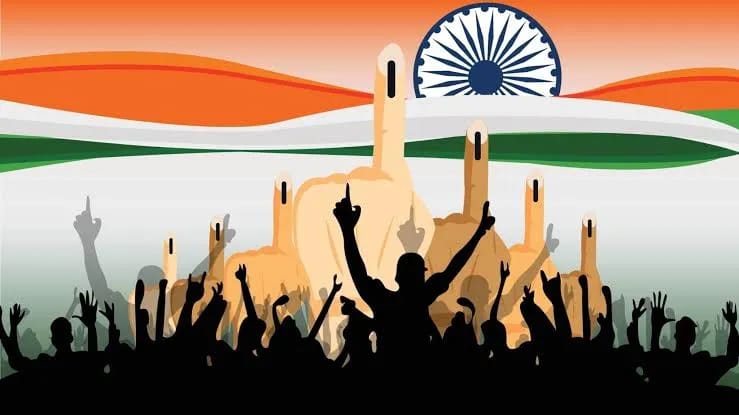
Evolution of Indian Democracy: Navigating Digital Campaigns, Electoral Reforms, and Voter Empowerment
India, recognized globally as the world’s largest democracy, operates on a foundational constitutional framework that guarantees universal adult franchise, regular legislative polls, and transparent administrative mechanisms. Over the past seven decades, the Indian electoral landscape has undergone a remarkable metamorphosis. From traditional grassroots mobilization, corner meetings, and paper ballots to advanced digital campaigning, sophisticated data analytics, and Electronic Voting Machines (EVMs), the mechanism of connecting with the electorate has evolved profoundly. As political parties, independent policy analysts, and civil society organizations look toward upcoming legislative and regional elections, understanding the dual impact of digital transformation and institutional administrative reforms becomes paramount for sustaining a healthy, vibrant democratic discourse.
1. The Digital Transformation of Political Campaigns
* Direct Voter Engagement and Outreach: Social media platforms such as X, Meta, YouTube, and regional messaging applications have bridged the geographic gap between political leaders and individual constituents. Parties can now broadcast policy announcements, detailed manifestos, and live rally feeds directly to millions of screens simultaneously, bypassing traditional information gatekeepers.
* Micro-Targeting and Data Analytics: Modern political war rooms employ dedicated data scientists and communication experts to analyze demographic trends, regional grievances, and trending topics. This enables parties to tailor specific policy proposals regarding agriculture, infrastructure, employment, taxation, and social welfare to distinct voter segments, making campaigns far more focused and responsive.
* The Challenge of Information Integrity: While digital campaigns increase accessibility and political awareness, they also introduce significant challenges. The rapid spread of unverified information, deepfakes, and polarized echo chambers poses a persistent threat to electoral harmony. Ensuring rigorous fact-checking, maintaining strict digital ethics, and promoting transparent discourse are vital responsibilities for all political stakeholders.
2. Electoral Reforms and Administrative Transparency
* Strengthening Transparency in Campaign Financing: Financial transparency remains a cornerstone of fair elections. Ongoing debates and regulatory adjustments concerning political funding seek to reduce the influence of black money, enhance financial disclosures, and ensure a level playing field for both major national parties and independent regional contenders.
* Inclusivity and Accessibility Initiatives: Special outreach programs directed toward youth, senior citizens, persons with disabilities, and marginalized communities are crucial for boosting voter turnout. Expanding postal ballot facilities, streamlining voter registration through digital portals, and organizing grassroots awareness camps help reduce voter apathy and encourage active participation in nation-building.
* Security and Accountability in Voting Technology: The nationwide deployment of Electronic Voting Machines coupled with Voter Verifiable Paper Audit Trail systems has dramatically reduced procedural delays, booth capturing, and manual counting errors, cementing public trust in election outcomes.
3. Policy-Based Discourse Versus Identity Politics
* Socio-Economic Development Priorities: Voters across urban and rural constituencies increasingly evaluate parties on tangible parameters: infrastructure growth, healthcare accessibility, educational quality, job creation, and sustainable energy transitions.
* The Role of Constructive Opposition: A vibrant democracy relies equally on a proactive ruling establishment and a constructive, fact-driven opposition. Holding governments accountable through policy critiques, legislative debates, and parliamentary committees ensures that governance remains aligned with public welfare.
* Maintaining Political Neutrality in Media and Content Creation: Platforms dedicated to political news and analysis, such as Indian Rajniti, carry a solemn duty to present balanced perspectives. Upholding fairness, avoiding sensationalism, and respecting diverse viewpoints help cultivate an informed electorate capable of making sound democratic choices.
Conclusion:
The journey of Indian democracy is an ongoing testament to the resilience of its constitutional institutions and the wisdom of its people. As technology transforms campaigning and administrative reforms enhance process integrity, the ultimate strength of valuation continues to rest on an engaged, informed, and vigilant citizenry. By prioritizing fact-based reporting, constructive policy dialogue, and unwavering respect for constitutional principles, India paves the way for a progressive, inclusive, and transparent future.
Join the discussion
Comments (0)