Kerala Local Body Bypolls 2026: Voting in 38 Wards on September 28, Counting on September 29
Kerala Holds Bypolls in 38 Local-Body Wards
Kerala held local-body bypolls in 38 wards on September 28, 2026, according to the election schedule announced by the Kerala State Election Commission.
The notification for the bypolls was issued on September 3, beginning the formal election process. Candidates were able to file their nominations between September 3 and September 10.
The election schedule covered local-body wards spread across 12 districts. The contests involved different levels of Kerala's local-government system, including municipal corporations, municipalities, district panchayats, block panchayats and gram panchayats.
The State Election Commission subsequently reported a 58.81% voter turnout across the 38 wards.
Polling on September 28, Counting on September 29
Polling for the 38 wards took place on September 28 from 7 am to 6 pm.
The counting of votes began at 10 am on September 29. The State Election Commission had scheduled completion of the election process by October 1, 2026.
The election expenditure accounts of candidates are required to be submitted by October 29.
The State Election Commission published separate notifications for the municipality and panchayat-level bypoll process on September 3.
Kerala Local-Body Bypoll Schedule 2026
Election notification: September 3, 2026
Nomination filing: September 3–10, 2026
Scrutiny of nominations: September 11, 2026
Last date for withdrawal: September 14, 2026
Polling: September 28, 2026
Counting: September 29, 2026
Completion of election process: October 1, 2026
Election expenditure account submission: October 29, 2026
The dates were published through the Kerala State Election Commission's official election notifications.
Which Local Bodies Were Covered?
The 38 wards going to polls were distributed across several categories of local government.
The bypolls included:
2 corporation wards in Ernakulam and Kozhikode
3 municipality wards in Thrissur, Palakkad and Kannur
3 district panchayat wards in Thiruvananthapuram, Kottayam and Palakkad
7 block panchayat wards
23 gram panchayat wards
These contests were spread across 12 districts.
The State Election Commission clarified that Kollam and Alappuzha did not have bypolls in this round.
Corporation Wards in Ernakulam and Kozhikode
Two corporation wards were included in the September 28 bypolls.
One ward in Ernakulam and one in Kozhikode went to voters.
Corporation-level contests can attract attention because they involve urban constituencies and representation in local civic administration.
The elected representatives will serve the concerned wards within the existing local-government structure.
Municipality Bypolls in Three Districts
Three municipality wards also went to polls.
The affected municipality wards were located in:
Thrissur
Palakkad
Kannur
The contests were decided by voters registered in the respective wards.
Municipal elections can involve issues such as roads, drainage, sanitation, waste management, water supply, public spaces and other civic services.
District Panchayat, Block Panchayat and Gram Panchayat Contests
The election also covered three district panchayat wards in Thiruvananthapuram, Kottayam and Palakkad.
In addition, seven block panchayat wards and 23 gram panchayat wards participated in the bypoll process.
The large number of gram panchayat wards meant that a substantial portion of the election activity took place at the grassroots level of local government.
Model Code of Conduct Came Into Force
The Model Code of Conduct came into effect on September 1, following the announcement of the bypoll schedule.
According to the election authorities, the code applied to the areas covered by the relevant bypolls.
For gram panchayats, the Model Code of Conduct applied to the entire panchayat area when the concerned ward fell within the election jurisdiction. In municipalities, it applied to the respective wards going to polls.
The implementation of the code was intended to regulate election-related activities during the campaign and polling period.
Nomination Process Began September 3
The election notification was issued on September 3.
Candidates could submit their nominations from September 3 to September 10. The scrutiny of nominations took place on September 11.
Candidates who wanted to withdraw their nominations had until September 14.
After the withdrawal deadline, the final list of candidates was prepared for the September 28 polling.
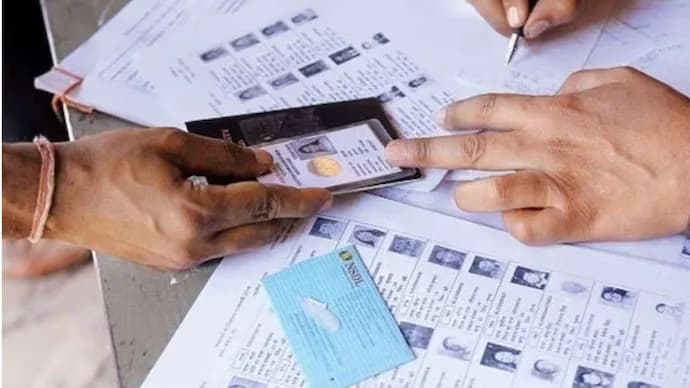
Electoral Rolls Published on August 19
The bypolls were conducted using the electoral rolls published on August 19, 2026.
The updated electoral rolls were made available through the concerned local bodies as well as village and taluk offices. They were also available through the Kerala State Election Commission's election-related services.
The State Election Commission continues to provide voter-search facilities by state, local body and ward.
Why the Kerala Bypolls Matter
The September 28 contests were local elections involving only 38 wards rather than the entire state.
However, local-body elections can be politically significant because they provide parties and candidates with an opportunity to compete at the constituency level and assess their organisational networks.
The contests also took place in the wider context of Kerala's political activity following the 2026 Assembly election.
Political parties monitored their performance in the affected wards, while candidates focused on local issues and constituency-level concerns.
At the same time, results from a limited number of wards should not automatically be treated as a direct measurement of statewide political opinion. Local factors, candidates, alliances and constituency-specific issues can influence individual ward results.
Local Issues Remained Important
Unlike a statewide Assembly election, local-body bypolls are directly connected with issues affecting individual wards and local administrations.
Issues such as roads, sanitation, waste management, drinking water, local infrastructure, public services and development can feature prominently during campaigns.
Candidate-level factors and local political equations can also influence individual contests.
As a result, the September 28 contests provided constituency-specific electoral results rather than a statewide mandate.
Political Parties Prepared for the Contests
The bypolls involved political parties and candidates competing for representation in the affected local bodies.
For the major political fronts in Kerala, the contests provided an opportunity to assess their organisational presence at the local level.
The elections were watched in the context of competition among the United Democratic Front (UDF), Left Democratic Front (LDF) and BJP-led National Democratic Alliance (NDA) in Kerala.
The number and geographical distribution of the wards mean that the results need to be considered separately for each constituency rather than treated as a statewide electoral verdict.
Voter Turnout in Kerala Local-Body Bypolls
The Kerala State Election Commission reported that 58.81% of voters participated in the September 28 local-body bypolls.
Turnout varied considerably between districts and constituencies. According to India Today, Kannur recorded the highest turnout at 84.55%, while Kottayam recorded the lowest at 54.24%.
The variation highlights the importance of local constituency conditions, voter mobilisation and the nature of individual ward contests.
Kerala Local-Body Bypoll Results 2026
Counting took place on September 29, beginning at 10 am as scheduled.
According to the Kerala State Election Commission, the overall result across the 38 wards was:
UDF: 18 wards
LDF: 16 wards
Independents: 4 wards
The State Election Commission published the final result on September 29.
India Today reported that the NDA won one ward through its ally Twenty20.
The results represent individual ward contests and should be interpreted in the context of the specific constituencies involved.
UDF and LDF Results Across the 38 Wards
The UDF secured 18 of the 38 wards, while the LDF won 16.
The remaining four wards were won by independent candidates according to the State Election Commission's overall result.
The distribution demonstrates that the bypolls produced contests across different local-government institutions rather than a uniform result across all wards.
The results will provide the participating political organisations with constituency-level information about their performance, campaign organisation and local support.
First Local-Body Bypolls After the 2026 Assembly Election
The September 2026 bypolls also took place only a few months after Kerala's 2026 Assembly election.
Because the bypolls involved just 38 wards, their results cannot independently establish a statewide shift in voter preferences.
However, the contests provide political parties with another round of electoral experience at the local level.
Parties can examine individual ward results, turnout patterns and organisational performance while preparing for future local and state-level political activity.
Local Government and Grassroots Politics in Kerala
Local governments play an important role in delivering civic and development services.
Gram panchayats, block panchayats and district panchayats operate at different levels of the rural local-government structure, while municipalities and municipal corporations administer urban areas.
Local representatives can therefore become directly involved in issues affecting residents' daily lives.
This makes local-body elections different from Assembly and Lok Sabha contests, where the political agenda is generally broader.
Roads, Water and Civic Services
Local development issues can play an important role in ward-level campaigns.
Residents may raise concerns about:
Roads and street maintenance
Drinking water
Drainage
Waste management
Public sanitation
Street lighting
Local transport
Public spaces
Housing and welfare
Local development projects
The importance of these issues can vary considerably from one ward to another.
Urban and Rural Political Issues
The 38 bypolls covered both urban and rural local-government constituencies.
Corporation and municipality wards can have concerns related to traffic, waste management, drainage, housing and urban infrastructure.
Gram panchayat and block panchayat constituencies can have greater emphasis on roads, agriculture, drinking water, rural infrastructure and local welfare delivery.
This difference makes constituency-specific campaigning particularly important in local-body elections.
Role of Independent Candidates
Independent candidates also played a role in the 2026 bypoll results.
The State Election Commission's final figures recorded four wards won by independents.
Independent candidates can focus heavily on ward-specific issues and personal connections with local voters.
Their performance also demonstrates that local-body elections can have political dynamics that differ from larger state-level contests.
Election Commission Arrangements
The Kerala State Election Commission issued separate notifications and instructions for the municipality and panchayat-level elections.
The Commission's official portal provides information relating to local-body elections, voter services, notifications, candidate registration and election results.
The Commission also maintains ward-level voter-search facilities that allow voters to search electoral information by local body and ward.
Voting and Counting Arrangements
Polling took place from 7 am to 6 pm on September 28.
After polling concluded, election materials were secured before counting began the following day.
The counting process started at 10 am on September 29.
The State Election Commission subsequently published the overall results and turnout figures.
What the Results Mean at the Local Level
The results provide each political organisation with constituency-level information about its performance.
Parties can examine:
Vote turnout
Ward-level margins
Candidate performance
Organisation at booth and ward level
Campaign effectiveness
Local alliances
Independent candidate performance
Local issues raised during the campaign
However, the 38 wards represent only a small portion of Kerala's local-government constituencies. Therefore, the results should not be treated as a standalone statewide electoral verdict.
Kerala Political Activity After the Bypolls
The completion of the 38 local-body bypolls adds another electoral event to Kerala's political calendar following the 2026 Assembly election.
The UDF, LDF and NDA will continue their organisational activities across the state, while local representatives will return their attention to ward-level governance.
The results can also influence internal discussions within political parties regarding local organisation, candidate selection and grassroots outreach.
Kerala Local Politics Enters Another Electoral Phase
The September 28 local-body bypolls brought voters in 38 wards back to polling stations for a fresh electoral contest.
The election covered a broad range of local institutions, from corporation and municipality wards to district panchayat, block panchayat and gram panchayat constituencies.
With nominations beginning on September 3, scrutiny on September 11 and withdrawal closing on September 14, the campaign entered its decisive phase before polling day.
Voting then took place on September 28, followed by counting on September 29.
The final result gave 18 wards to the UDF, 16 to the LDF and four to independents, according to the Kerala State Election Commission.
Key Facts at a Glance
Total wards: 38
Districts covered: 12
Polling date: September 28, 2026
Polling time: 7 am to 6 pm
Counting date: September 29, 2026
Counting begins: 10 am
Election notification: September 3
Nomination period: September 3–10
Scrutiny: September 11
Withdrawal deadline: September 14
Electoral roll: Published August 19
Election process ends: October 1
Expenditure account deadline: October 29
Districts without bypolls: Kollam and Alappuzha
Turnout: 58.81%
UDF: 18 wards
LDF: 16 wards
Independents: 4 wards
The turnout and final result figures are based on the Kerala State Election Commission's official releases.
What Comes Next for Kerala Local Politics?
With the bypolls completed, attention will shift back to the functioning of the concerned local bodies and the newly elected representatives.
The participating parties will also examine their ward-level performance and turnout data.
For residents, the focus will remain on local governance and delivery of civic services in the affected wards.
The results provide a snapshot of political competition in 38 constituencies, but the limited geographical coverage means they should be assessed primarily as local electoral outcomes.
Conclusion
Kerala's 2026 local-body bypolls covered 38 wards across 12 districts, including corporation, municipality, district panchayat, block panchayat and gram panchayat constituencies.
Polling was held on September 28 and counting took place on September 29. The Kerala State Election Commission recorded 58.81% turnout, while its final results showed 18 wards for the UDF, 16 for the LDF and four for independents.
The bypolls provided another round of constituency-level electoral competition in Kerala following the 2026 Assembly election.
The results can be used by political parties to assess local organisation and ward-level performance, while voters and local representatives will now focus on governance in the concerned constituencies.
The significance of the results should be considered in their proper context: these were elections in 38 local-body wards, not a statewide election. Local candidates, constituency issues, alliances and voter turnout can all influence individual ward outcomes.
Indian Rajniti will continue tracking Kerala Politics, local-body elections, political parties, governance, civic issues, election results, political campaigns and other developments across the state.
Source and Attribution
This article has been independently rewritten and consolidated using information from the Kerala State Election Commission and a Press Trust of India report published by India Today. The election schedule, ward distribution, turnout and final result figures have been checked against the Kerala State Election Commission's official releases.