Uttar Pradesh Politics Heats Up as Yogi Adityanath Targets 115 Key Seats Ahead of 2027 Assembly Polls • Rajasthan Civic Polls 2026: Voting Begins as BJP Faces Rebel Challenge • Yogi Adityanath Targets 2027 UP Elections, Says BJP Will Return With a Grand Majority
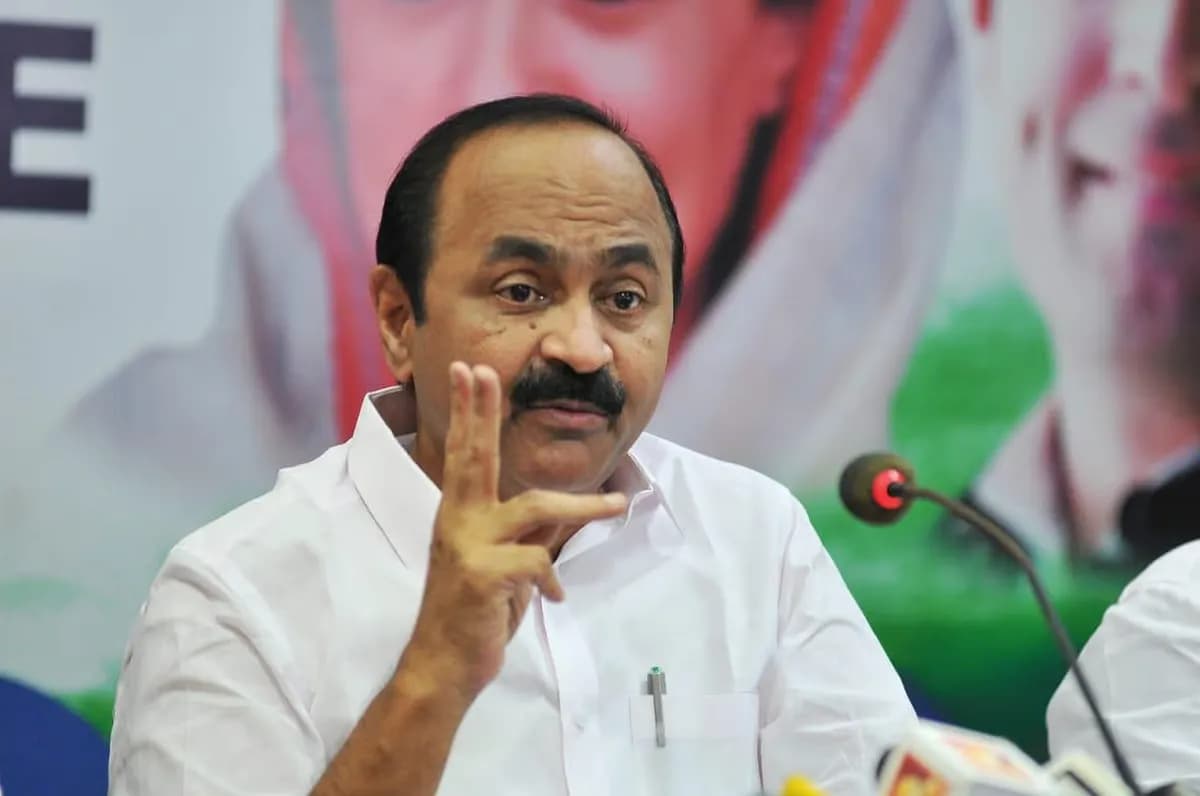
Kerala Politics Heats Up as Malappuram Party Split Opens New Political Faultline
Haripriya 11 Sept 2026 2 min read 57 views
Thiruvananthapuram, September 11, 2026: Political activity in Kerala has intensified following a renewed split in Malappuram, with the internal division creating a fresh challenge for political parties attempting to consolidate their influence in the district. The development has drawn attention because Malappuram has traditionally been an important centre of political competition in Kerala.
Malappuram Becomes a New Political Battleground
The latest developments in Malappuram have opened another political faultline in Kerala. Local political divisions can have a wider impact because they often influence alliances, grassroots organisations and electoral calculations.
Political parties are closely monitoring the situation as they assess whether the split could alter existing relationships among local leaders and organisations.
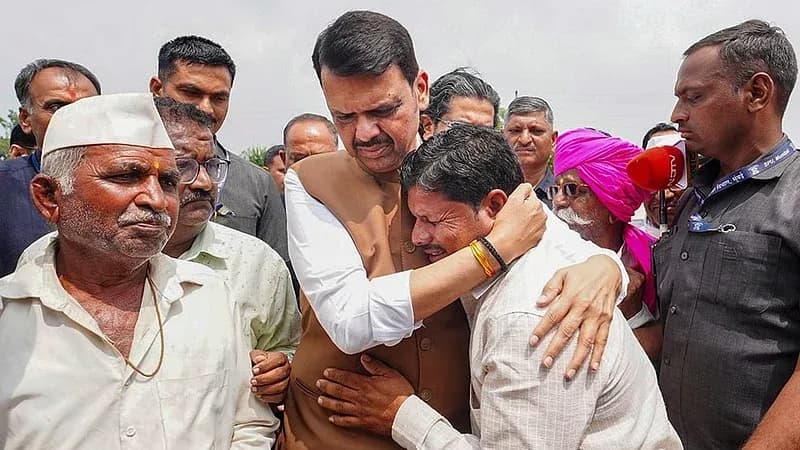
Maharashtra's decision to declare 265 talukas drought-affected has triggered questions from both ruling alliance leaders and the Opposition. While some areas represented by Mahayuti leaders have been excluded, the MVA has questioned the transparency of the assessment process.
Malappuram has historically played an important role in Kerala's political landscape. Changes in local political equations can therefore have consequences beyond individual constituencies.
The latest dispute could force major parties to reconsider their strategies in the district, particularly regarding candidate selection, alliances and grassroots mobilisation.
The development is expected to become part of the wider Kerala Politics debate as parties prepare for future electoral contests.
Parties Face Organisational Challenge
For established political parties, local organisational unity remains essential. Internal disagreements can weaken campaign structures and create opportunities for rival groups.
The current situation in Malappuram could therefore encourage parties to strengthen coordination between senior leaders and grassroots workers.
At the same time, rival parties may attempt to use the division to expand their own influence.
Wider Political Implications
The development comes at a time when political activity is increasing across Kerala. Issues involving governance, leadership, local development and party organisation are expected to dominate political discussions in the coming months.
For opposition parties, developments such as the Malappuram split can provide opportunities to challenge the ruling establishment. For the government and its allies, maintaining organisational cohesion will remain a priority.
The episode could consequently become another point of political confrontation and Political War (opens in a new tab) between competing forces.
What Happens Next?
The coming weeks will be important in determining whether the Malappuram split remains a local organisational issue or develops into a larger political realignment.
Political parties (opens in a new tab) are likely to watch the reactions of local leaders and voters before deciding their next strategy. Any change in alliances or leadership could influence future electoral calculations in the district.
For Kerala, the Malappuram developments underline how local political disputes can quickly become significant factors in the state's broader political landscape.
“A fresh political faultline has emerged in Kerala's Malappuram district following a split within a local political organisation, adding another layer of competition to the state's already active political landscape. The development is being closely watched by major political parties as they assess its possible impact on local equations.”
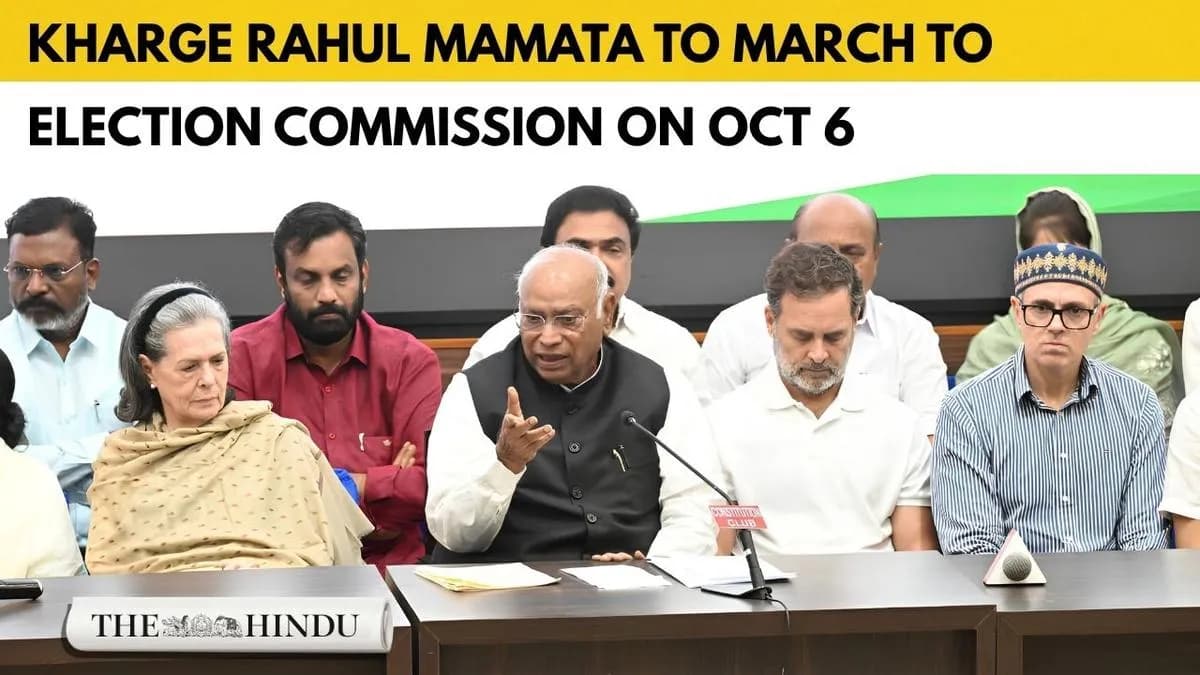
The INDIA bloc has announced a nationwide campaign over concerns related to the Election Commission and electoral processes. The Opposition plans protests, a march to the Election Commission headquarters, and a legal challenge to provisions of the Chief Election Commissioner Act, 2023.
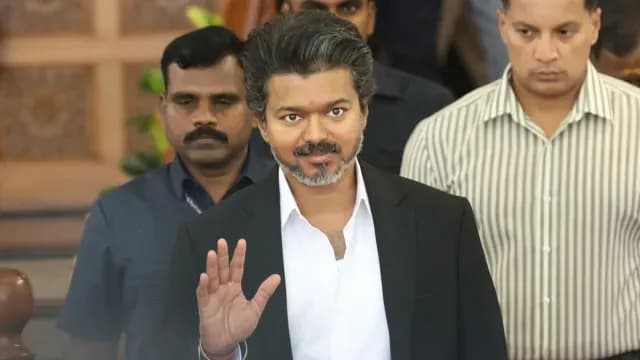
Discussions between Chief Minister C. Joseph Vijay's Tamilaga Vettri Kazhagam (TVK) and the Pattali Makkal Katchi (PMK) have intensified, with reports suggesting alliance talks and possible Cabinet representation. However, no official announcement has been made by either party.
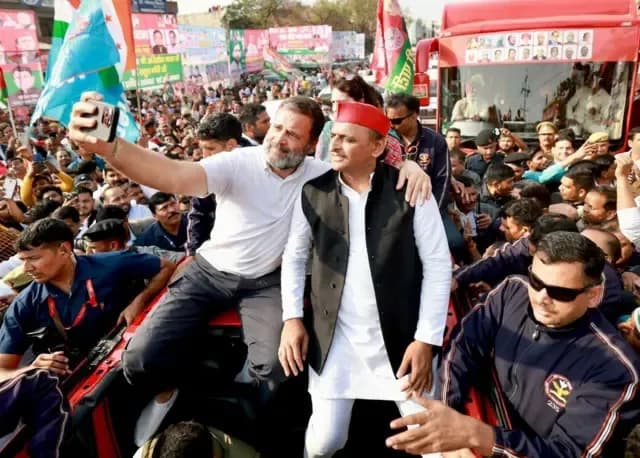
With the Uttar Pradesh Assembly election approaching in 2027, the Samajwadi Party and Congress are working to strengthen their alliance after their improved performance in the 2024 Lok Sabha elections. Political observers believe the opposition has an important opportunity, but unity and effective seat-sharing will be crucial.