Odisha SEBC Commission: Mohan Majhi Government Studies Political Representation
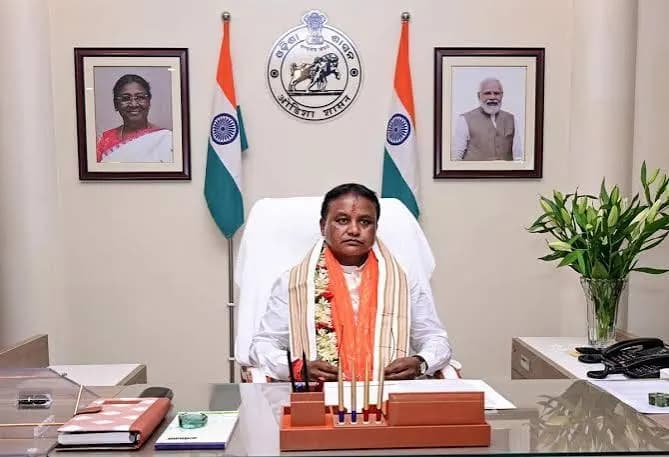
The Odisha government has constituted a commission to examine the political representation of socially and educationally backward classes (SEBCs) in local self-government institutions.
The move comes ahead of local body elections and amid political demands for greater representation for backward classes.
The commission will examine the level of SEBC representation in institutions including panchayats and urban local bodies and study the broader question of political backwardness.
Commission Under Retired High Court Judge
The commission will be headed by retired High Court judge Pramath Patnaik.
According to the government decision, the panel will study the political representation of SEBC communities and assess their participation in local self-government institutions.
The move was approved by Chief Minister Mohan Charan Majhi’s government.
The commission’s findings could influence the political debate around reservation and representation in Odisha.
Why SEBC Representation Matters
SEBC communities form a significant section of Odisha’s population.
Political representation at the local level can influence access to leadership positions in panchayats, municipalities and other local institutions.
The issue has become increasingly important ahead of local elections because political parties are seeking to consolidate support among different social groups.
The commission’s study could provide the government with a detailed assessment of existing representation and areas where gaps may exist.
Political Context
The BJP government in Odisha has been working to strengthen its political base after coming to power.
The BJD, which governed the state for many years, remains a major political force, while Congress also continues to compete for support.
Questions surrounding reservation and social representation can become significant electoral issues because they directly affect political participation at the grassroots level.
The commission therefore has both administrative and political significance.
Local Elections in Focus
Unlike Assembly and Lok Sabha elections, local body elections directly determine political representation at the grassroots level.
Panchayat and urban local body institutions are particularly important because they provide the first level of political leadership for many communities.
A study of SEBC representation could therefore have consequences for the composition of future local political leadership.
The government’s decision also comes amid Opposition demands for greater representation for backward classes.
What Happens Next
The commission’s findings will be closely watched by political parties and community organisations.
If the panel identifies significant gaps in representation, the report could trigger further discussion about reservation, candidate selection and local political structures.
For the Mohan Charan Majhi government, the issue also presents an opportunity to demonstrate its approach to backward-class representation.
The eventual political impact will depend on the commission’s recommendations and how the government responds to them.
Join the discussion
Comments (0)