
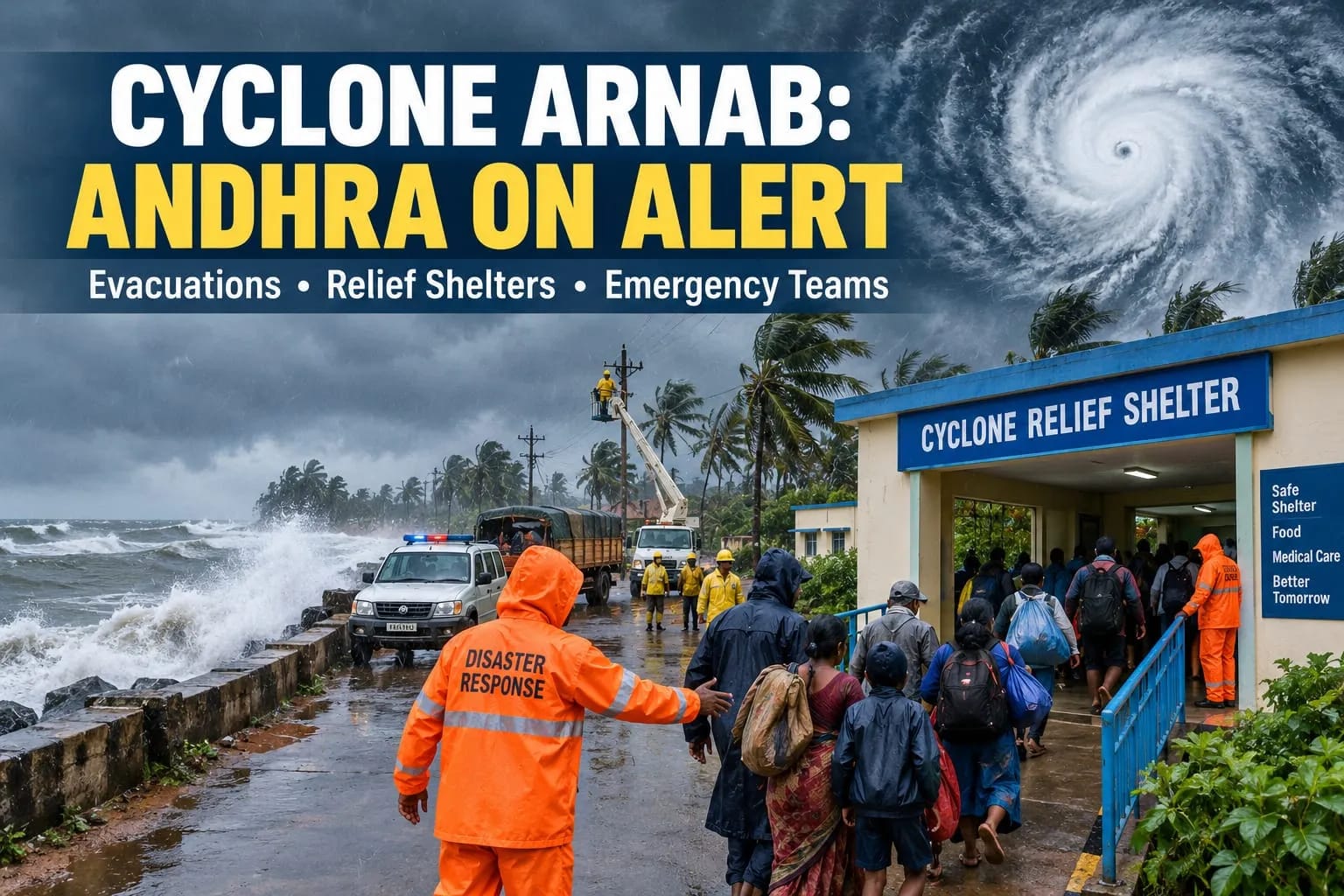
Cyclone Arnab: Andhra Pradesh Government Intensifies Preparations, CM Chandrababu Naidu Reviews Emergency Measures.
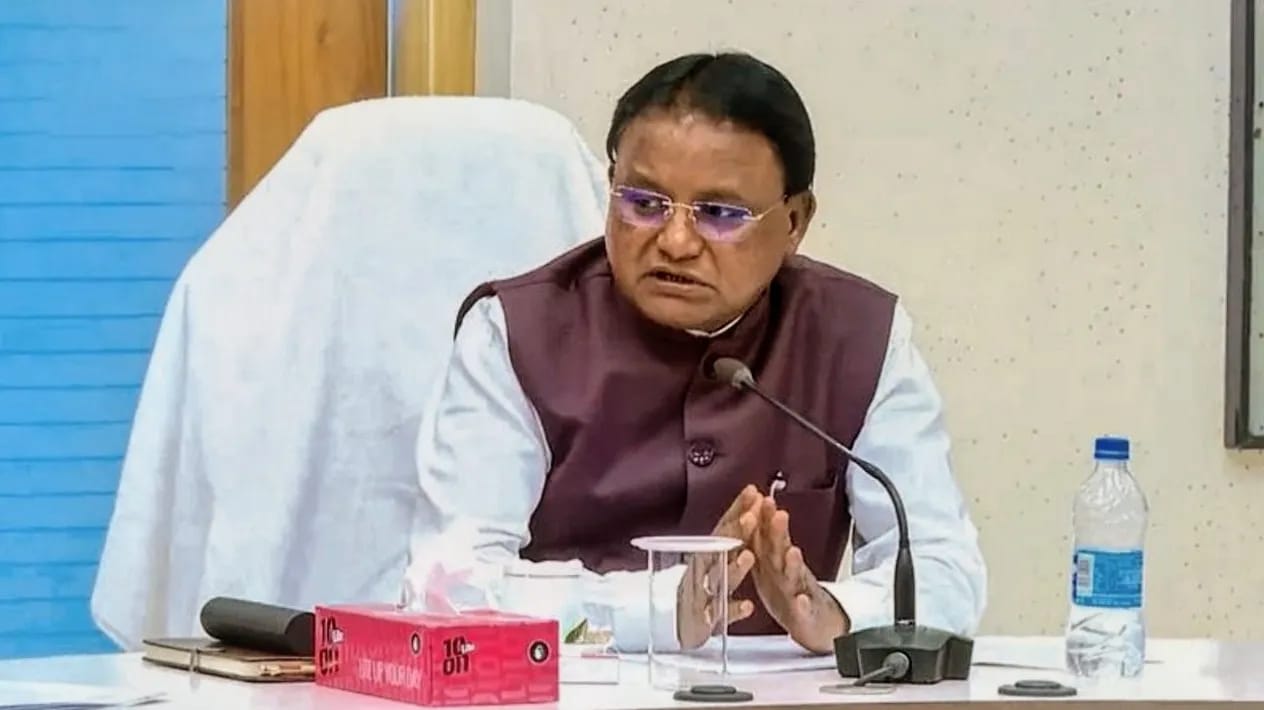
Chief Minister N. Chandrababu Naidu held a series of review meetings with senior officials and district administrations, directing them to remain on high alert and take all necessary precautionary measures to minimise the impact of the cyclone.
The government prioritised the evacuation of residents from vulnerable coastal and low-lying areas, the availability of essential supplies at cyclone shelters and the deployment of rescue personnel. The India Meteorological Department (IMD) warned of extremely heavy rainfall and destructive winds as the storm approached the Andhra Pradesh coast.
Chief Minister Chandrababu Naidu Reviews Cyclone Preparedness
Chief Minister Chandrababu Naidu directed officials to maintain round-the-clock vigilance and coordinate closely across government departments. During review meetings and discussions with district collectors, he stressed that protecting human lives must remain the government's foremost priority.
Officials were instructed to continuously monitor the cyclone's movement, communicate weather warnings to the public and ensure that relief arrangements were ready before conditions deteriorated.
The Chief Minister also emphasised the importance of coordination among revenue, police, health, electricity, transport and disaster management departments. District administrations were asked to identify vulnerable communities and ensure that emergency assistance could reach them without delay.
On October 28, reports indicated that Chief Minister Naidu reviewed the cyclone's impact and directed officials to accelerate relief and restoration operations. Preliminary assessments of agricultural damage were also ordered, while field personnel continued working to reduce public inconvenience.
The government indicated that restoring normal conditions, assessing damage and ensuring assistance reached affected communities would remain important priorities. The actual extent of losses and recovery requirements would depend on assessments by the relevant departments.
Coastal Districts Placed on High Alert
Several coastal and adjoining districts were identified as vulnerable to heavy rainfall, flooding, strong winds and possible damage to infrastructure.
The districts included Srikakulam, Vizianagaram, Visakhapatnam, Kakinada, Dr B.R. Ambedkar Konaseema, East Godavari, West Godavari, Eluru, Krishna, NTR, Guntur, Palnadu, Bapatla, Prakasam and Nellore.
Authorities were instructed to monitor low-lying villages, areas near rivers and canals, coastal settlements and locations vulnerable to waterlogging. Residents in areas facing an increased risk were advised to follow official instructions and move to safer locations when directed.
The administration also prepared for possible disruptions to road connectivity, electricity, drinking water supplies and communications.
Evacuation and Cyclone Shelter Arrangements
Evacuation was one of the most important parts of the government's preparedness strategy. Authorities identified vulnerable households and arranged to move residents to safer places before the cyclone's impact intensified.
According to reports on the government's preparations, 2,199 cyclone shelters had been identified, with arrangements made to accommodate people displaced from vulnerable areas. Special attention was given to senior citizens, children, pregnant women and persons with disabilities.
Officials also arranged food, drinking water, medical assistance and other essential supplies at relief centres. Pregnant women requiring medical attention were moved to healthcare facilities as a precaution.
The government urged residents not to underestimate the danger posed by strong winds, heavy rainfall and coastal flooding. People were advised to avoid returning to evacuated areas until authorities confirmed that conditions were safe.
Conclusion
Andhra Pradesh's response to Cyclone Arnab highlights the importance of advance planning, timely evacuation and coordination between government departments during severe weather emergencies. From cyclone shelters and emergency teams to medical assistance and infrastructure restoration, the state mobilised resources to reduce risks to people and property.
As the situation develops, the effectiveness of these measures will depend on continued coordination, accurate public information and residents' cooperation with safety instructions. The immediate priority remains protecting lives, supporting affected families and restoring essential services as quickly as possible.





Join the discussion
Comments (0)