M.K. Stalin Questions Congress on Electoral Roll Revision: What the Disagreement Reveals About Opposition Coordination
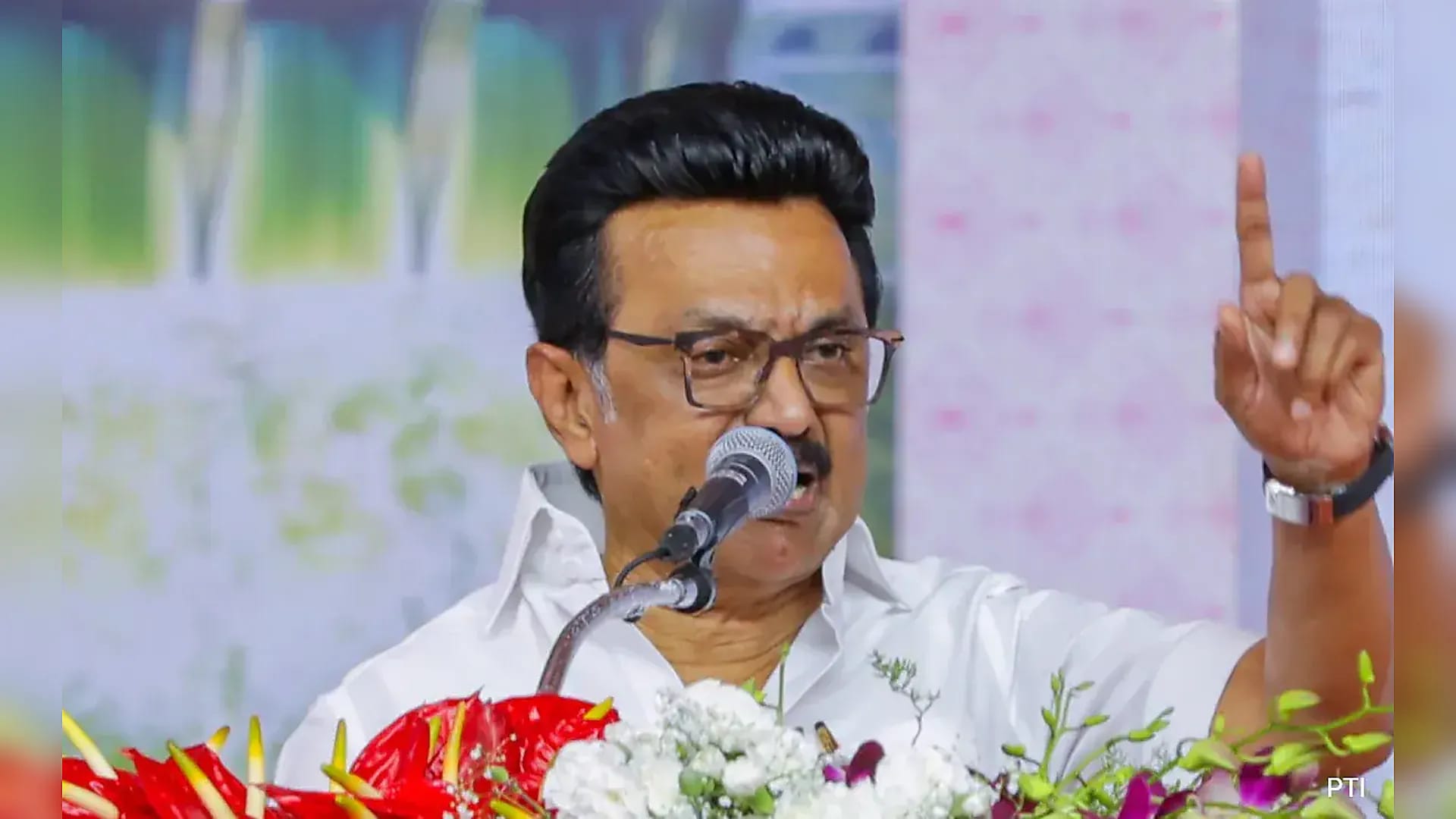
Tamil Nadu Chief Minister and DMK president M.K. Stalin has criticised the Congress over its approach to the controversy surrounding electoral-roll revision, according to reporting published on October 17, 2026. While supporting opposition concerns about the process, Stalin reportedly questioned what he described as inconsistencies in Congress’s position.
The remarks highlight a recurring challenge for opposition parties: maintaining cooperation on shared political issues while managing disagreements over strategy, messaging and relations between regional and national organisations.
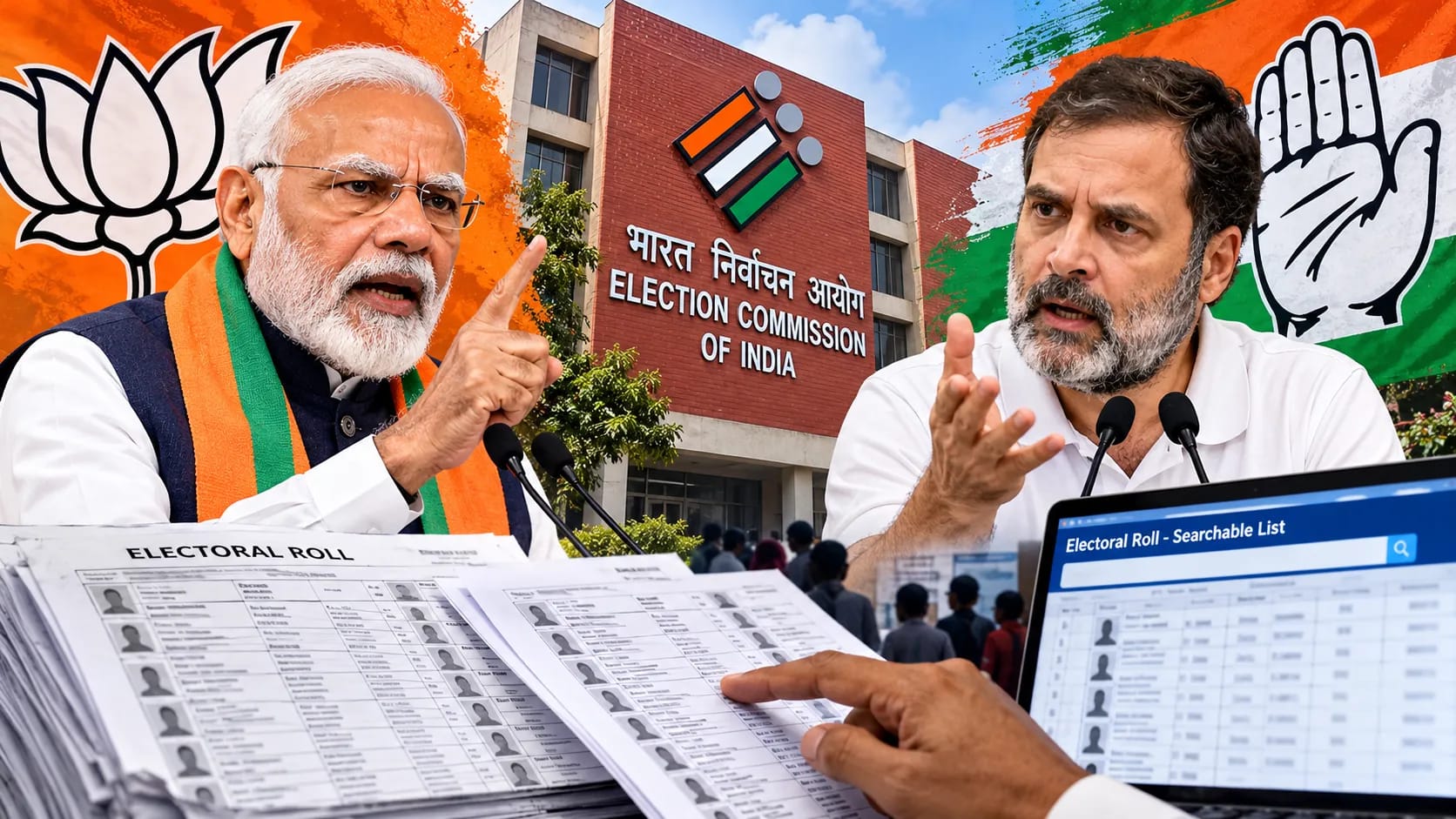
The controversy over electoral rolls has become a major point of political debate. Opposition parties have questioned the transparency and implementation of revision exercises, while the BJP has defended the process as necessary for maintaining accurate voter lists. The dispute has also prompted arguments over the responsibilities of the Election Commission and the evidence required to support allegations of irregularities.
What Did Stalin Criticise?
According to the October 17 report, Stalin supported protests over the Special Intensive Revision of electoral rolls but also accused Congress of applying inconsistent standards.
The reported comments suggest that opposition cooperation on electoral transparency has not eliminated differences between its constituent parties. Leaders may agree that voter-registration procedures should be scrutinised while disagreeing over how the campaign should be conducted or which political positions should accompany it.
The exact wording and full context of Stalin’s remarks should be checked against the original statement before publication. It is important to distinguish the chief minister’s criticism of Congress’s strategy from any claim that the DMK has withdrawn support for the wider opposition campaign.
Why the DMK–Congress Relationship Matters
The DMK and Congress have worked together in opposition politics, but the two parties maintain separate leadership structures and political priorities.
The DMK’s primary electoral responsibilities are rooted in Tamil Nadu, where it must maintain relationships with regional constituencies and respond to state-specific political issues. Congress, meanwhile, operates nationally and must balance the interests of its state units with its broader opposition strategy.
These different responsibilities can create disagreements even when parties share a common position on a particular issue. A regional party may prioritise state-level political considerations, while Congress may seek a nationwide campaign that connects the same issue across several states.
Such differences do not automatically mean that an alliance is breaking apart. The consequences depend on whether the disagreement affects joint programmes, election arrangements, legislative coordination or public commitments.
The Wider Electoral-Roll Dispute
The Special Intensive Revision has become contentious because opposition parties have raised concerns about voter deletions and the treatment of eligible electors. The BJP and other supporters of revision argue that electoral rolls must be accurate and should exclude ineligible or duplicate entries.
These positions involve questions that must be assessed through the relevant procedures and evidence. An opposition allegation does not establish deliberate manipulation, while a general defence of the process does not remove the need to investigate credible complaints.
The political debate therefore involves two connected issues: the accuracy of voter lists and public confidence in how revisions are conducted.
Clear explanations of procedures, accessible correction mechanisms and transparent handling of complaints are important for voters regardless of party affiliation.
What the Disagreement Means for Opposition Unity
Opposition alliances must coordinate across parties with different regional bases, leadership priorities and organisational cultures. Agreement on one issue can create common ground, but it does not erase every political difference.
Stalin’s reported criticism illustrates how disputes can emerge over the framing of a campaign as well as its substance. Parties may disagree about public messaging, the timing of protests or how closely a state-level issue should be connected to national opposition politics.
The broader question is whether these disagreements remain limited to public statements or begin to affect cooperation in practice.
Evidence of a formal breakdown would require more than a single critical remark. Relevant indicators would include changes to joint programmes, explicit withdrawal of support, formal statements from party leadership or documented changes in alliance arrangements.
Join the discussion
Comments (0)