Rahul Gandhi’s Political Communication Strategy: How Congress Is Trying to Challenge the BJP’s Narrative
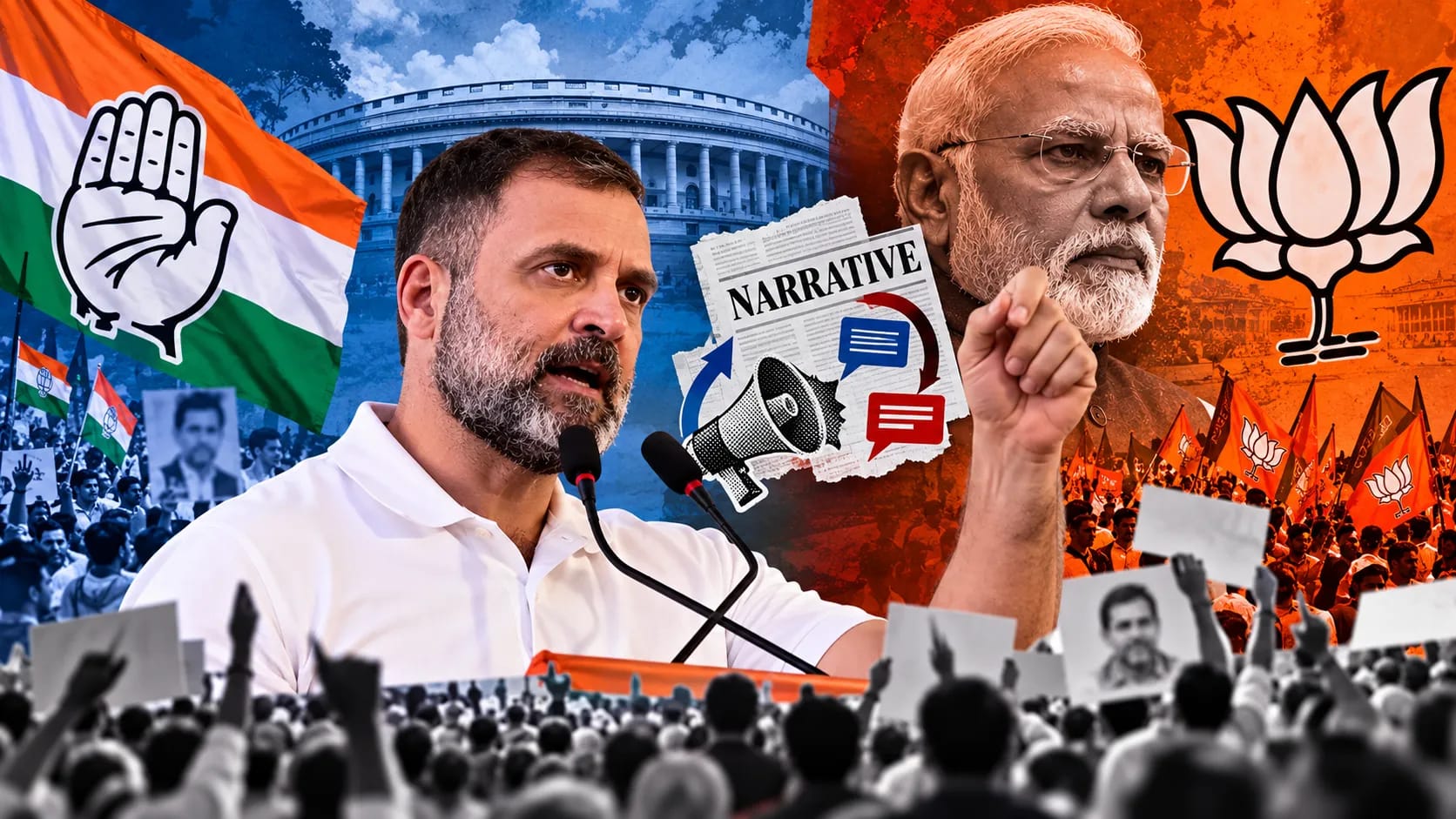
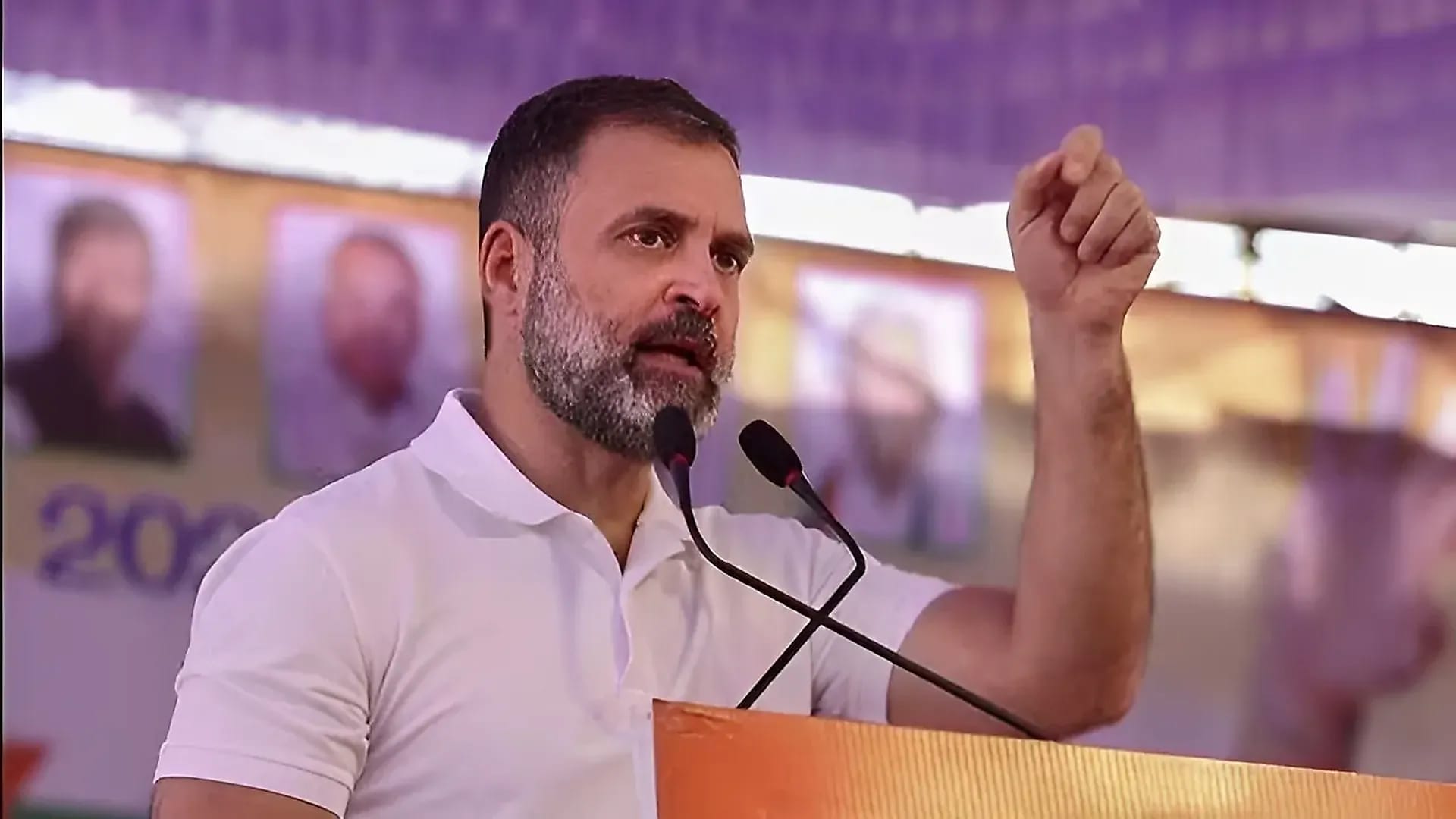
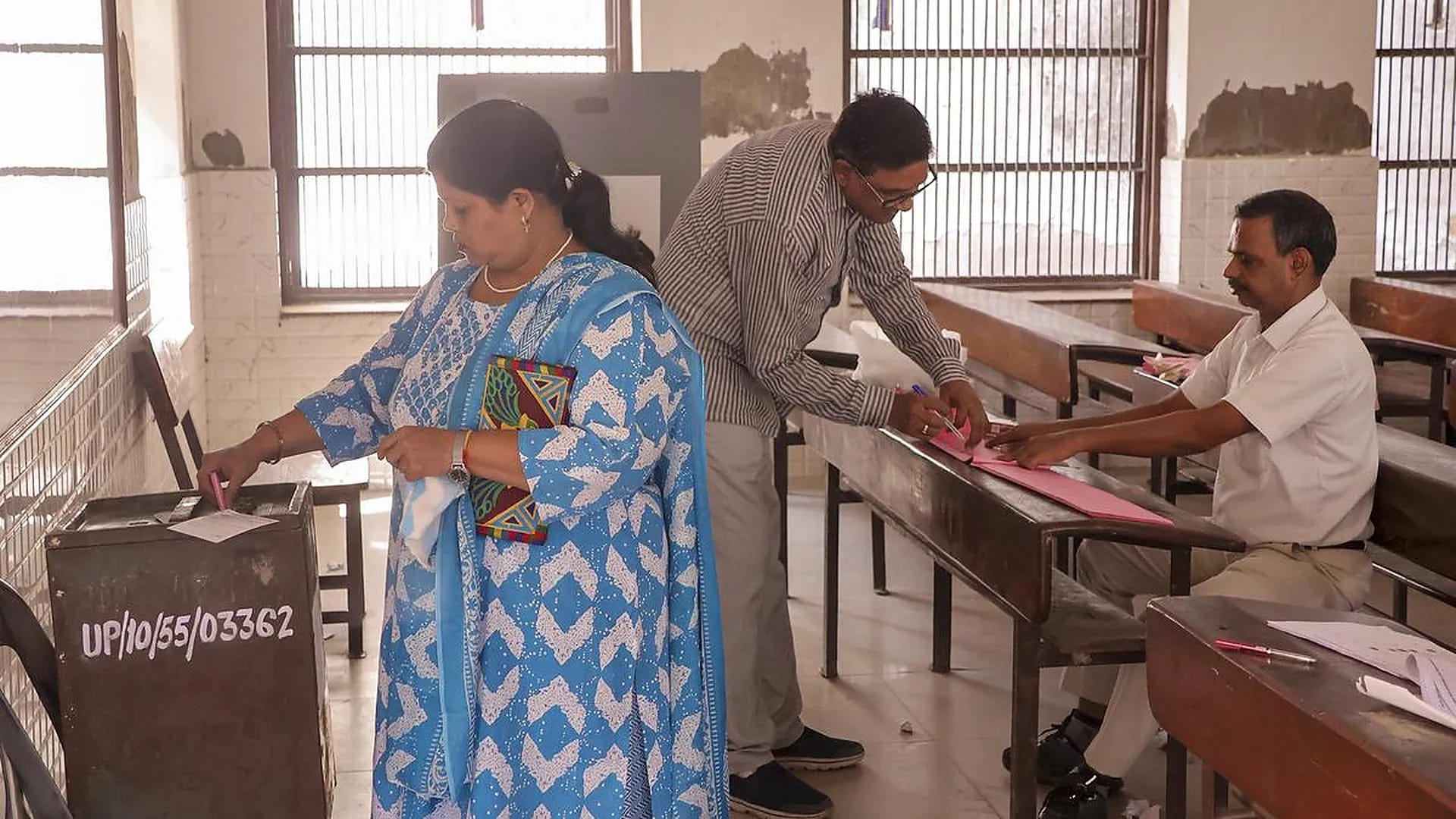
Political competition in India increasingly involves not only public rallies and election campaigns but also the way parties present information, challenge opponents and respond to criticism. Congress leader Rahul Gandhi has continued to raise questions about electoral processes and the functioning of institutions, while the BJP has defended its position and challenged opposition allegations.
This contest over political communication is part of a broader struggle to influence how voters understand public issues. Its effectiveness depends on whether parties can support their claims with evidence and connect their messages to concerns that matter to citizens.
Why political messaging matters
A political message can establish the issue a party wants the public to discuss. By focusing attention on electoral transparency, governance or institutional accountability, a party may seek to influence the public agenda and put pressure on its opponents.
But attracting attention is only the first step. A message must also be clear, consistent and supported by verifiable information. Broad accusations can generate debate, yet their credibility depends on evidence, specific examples and meaningful responses from the institutions involved.
For Congress, raising questions about the electoral process provides a way to challenge the BJP and communicate its concerns beyond Parliament. For the BJP, responding to those claims is part of defending its political position and contesting the opposition’s interpretation.
The importance of credibility
Political parties face a challenge when public debate is dominated by competing claims. Voters need ways to distinguish documented facts from allegations, interpretations and campaign rhetoric.
Parties should identify the evidence behind their claims, correct mistakes when they occur and respond to substantive questions. Journalists and citizens can contribute by comparing statements with official records and seeking responses from the relevant sides.
The same standard should apply to the ruling party and the opposition. A claim should not be treated as true merely because it comes from a prominent leader, nor dismissed solely because it is politically inconvenient.
Conclusion
The contest between Congress and the BJP demonstrates how communication has become an important part of political strategy. The strongest campaigns are not necessarily those that produce the loudest headlines, but those that combine clear arguments, reliable evidence, local organisation and practical proposals. Ultimately, voters judge political messaging through both its credibility and its relevance to their lives.

Join the discussion
Comments (0)