UP MLC Election: EC Orders Repoll at Three Agra Polling Stations After Irregularity Complaints
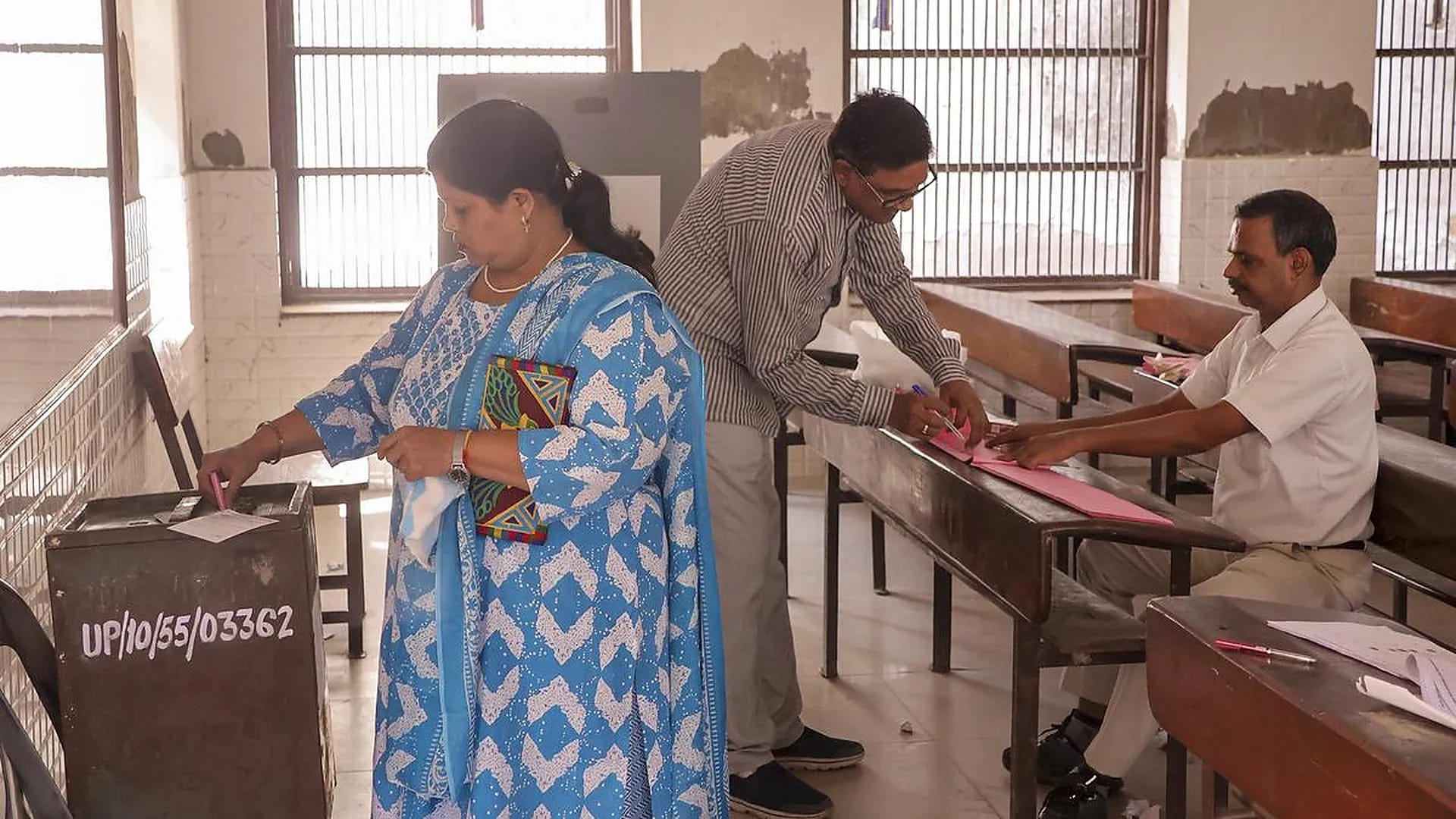
The Election Commission of India ordered fresh polling at three polling stations in the Agra division teachers' constituency for the Uttar Pradesh Legislative Council election on October 26, 2026. The decision followed complaints of electoral irregularities and harassment raised by the Samajwadi Party candidate and supporters.
The commission declared the earlier voting at the three stations void and directed that polling be conducted again. The decision places election administration and the handling of complaints at the centre of the political discussion surrounding the contest.
Why Was Repolling Ordered?
According to reports published on October 24, the commission's decision followed allegations concerning the conduct of voting at three polling stations in the Agra division teachers' constituency.
The Samajwadi Party candidate and supporters had raised concerns about irregularities and harassment. The Election Commission subsequently ordered fresh polling at the affected locations.
The decision to invalidate voting at specific stations is an administrative action intended to address concerns about the conduct of the poll. It should not automatically be interpreted as proof that a particular political party or candidate committed wrongdoing.
The precise incidents, the evidence examined and the commission's reasons should be checked against the official order before any stronger conclusion is drawn.
What Is the Agra Teachers' Constituency Election?
The contest is for a seat in the Uttar Pradesh Legislative Council, the state's upper legislative chamber. Teachers' constituencies form a distinct category of representation, with eligibility and electoral procedures different from those used in a general Assembly election.
Legislative Council elections can be politically significant because parties use them to maintain representation, strengthen organisational networks and assess their support among particular electorates.
However, the results of a teachers' constituency election should not be treated as a direct measure of public opinion across all of Uttar Pradesh. The electorate is specific to the constituency and the applicable eligibility rules.
The Samajwadi Party's Complaints
The Samajwadi Party and its candidate raised concerns about the earlier polling process. Such complaints require examination through the relevant electoral procedures, including the evidence submitted and the response of election officials.
A complaint is not itself a final finding of misconduct. The commission's decision to order repolling confirms that fresh voting was required at the three affected stations, but it does not establish every allegation made by either side.
For an accurate account, the official order and any subsequent statements from the candidate, the party and the local election authorities should be considered together.
Why Election Commission Decisions Matter
The Election Commission is responsible for administering elections within the applicable legal framework. Its decisions on complaints, polling arrangements and repolling can influence public confidence in the electoral process.
When voting is declared void at a polling station, the reasons and procedures matter. A transparent explanation helps voters understand what went wrong, what corrective action has been ordered and how the new polling process will be conducted.
Political parties may interpret such decisions through their own perspectives, but the commission's formal order provides the essential record of the action taken.
What Happens Next?
The immediate next step is the repoll ordered for October 26 at the three affected polling stations. The outcome should be assessed only after polling and the relevant result updates are confirmed.
Further developments may include statements from the contesting parties and additional clarification from election officials about the complaints that led to the decision.
The episode highlights the importance of complaint-handling procedures in elections. Repolling can address concerns at specific polling stations, but any wider claim about electoral misconduct requires supporting evidence.
For political parties, the contest remains a test of their organisation within a specialised electorate. For voters and observers, the key questions are whether the repoll is conducted according to the rules and whether the commission's decision is implemented transparently.



Join the discussion
Comments (0)