Supreme Court on CEC Row: “We Are Aware of Everything, Will Decide” as SIR Dispute Continues
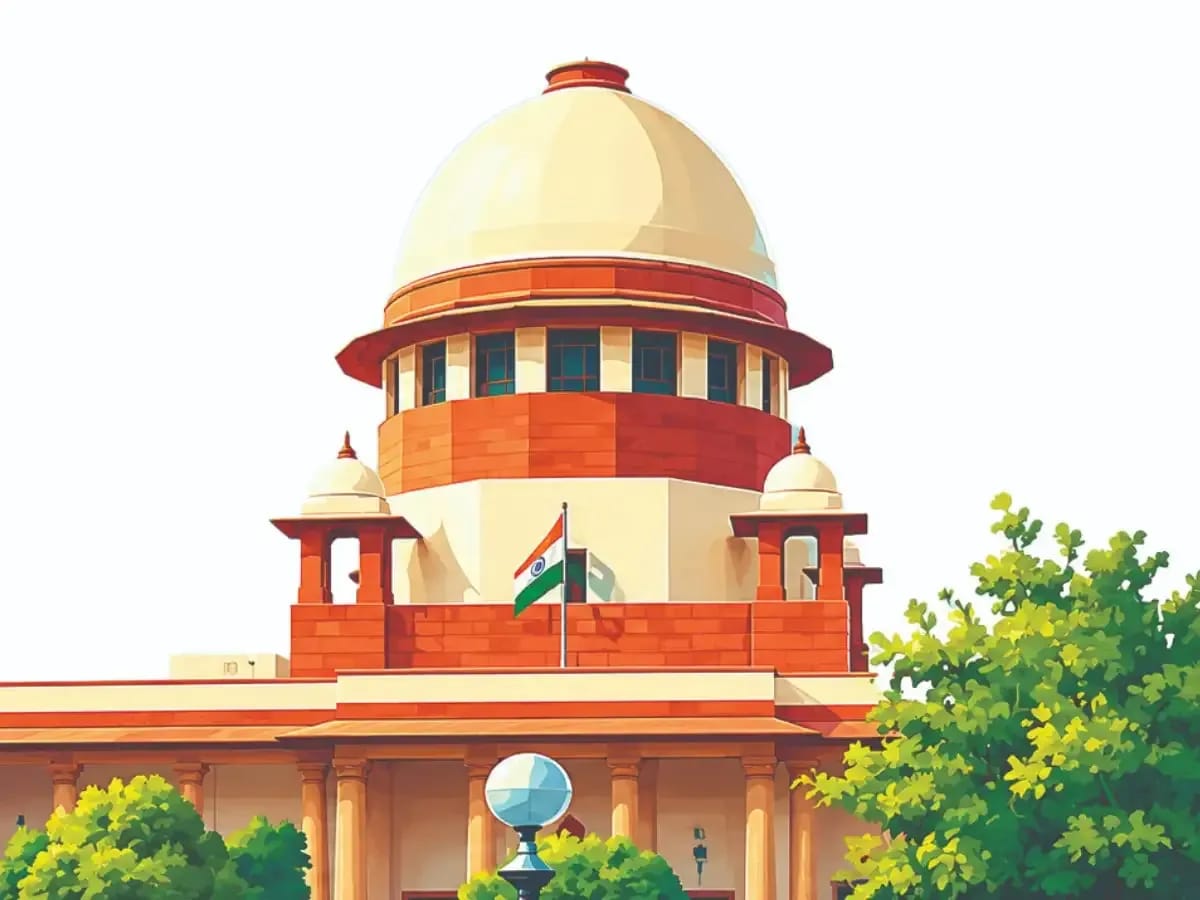
The Supreme Court of India has indicated that it will consider the wider controversy surrounding the Election Commission of India (ECI) and the Special Intensive Revision (SIR) of electoral rolls together, rather than hearing the allegations in isolation.
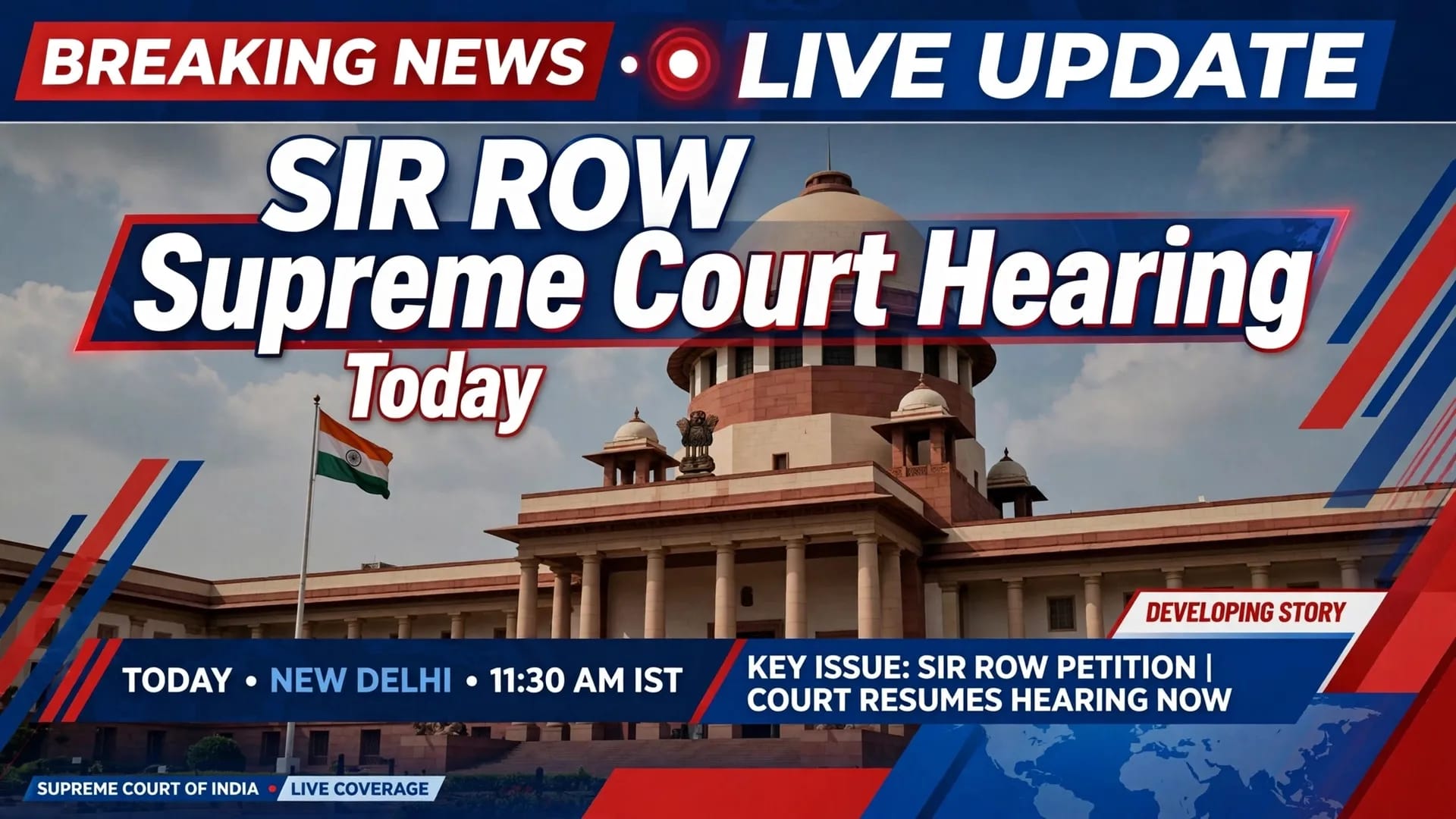
During a hearing on Tuesday, October 27, 2026, a three-judge bench headed by Chief Justice of India Surya Kant remarked, “We are aware of everything. We will decide.” The proceedings involved petitions questioning the functioning of the poll body and decisions taken during the electoral-roll revision exercise.
The court also issued notice on a petition filed by Trinamool Congress (TMC) MP Dola Sen, challenging changes to Form 6, which is used to apply for inclusion of names in electoral rolls.
Dola Sen Challenges Changes to Form 6
Appearing for Dola Sen, senior advocate Menaka Guruswamy raised concerns about the disputed changes to Form 6 and questioned the Election Commission's justification for them.
Form 6 plays an important role in the electoral process because it is used by eligible individuals seeking to have their names included in voter lists. The petition challenges changes that the petitioner alleges could affect the integrity and administration of electoral-roll inclusion.
Representing the Election Commission, senior advocate Maninder Singh rejected the criticism, describing the submissions as rhetoric. The competing arguments brought the administration of voter lists and the transparency of the revision process into focus.
The Supreme Court's notice allows the matter to proceed through the judicial process. It does not, by itself, establish that the alleged changes were unlawful.
Rahul Gandhi and INDIA Bloc Leaders Raise Questions
The hearing also covered a petition filed by Leader of Opposition Rahul Gandhi and other INDIA bloc leaders concerning the Election Commission's functioning and decisions connected with SIR.
Senior advocate Abhishek Manu Singhvi, appearing for the petitioners, urged the court to direct the preservation of internal file notings and communications. He argued that these records were important for determining whether the decisions concerning the revision exercise had been taken collectively or unilaterally.
The request relates to allegations that Chief Election Commissioner Gyanesh Kumar acted without the agreement of the other election commissioners. The petitioners have sought judicial scrutiny of the decision-making process.
The court did not announce a final ruling on these allegations during the hearing described in the report.
Election Commission Says SIR Decisions Were Unanimous
In its counter-affidavit, the Election Commission rejected claims that the Chief Election Commissioner had acted unilaterally. It stated that decisions relating to SIR had been taken unanimously by the commission.
According to the affidavit, three orders concerning the revision exercise, dated June 24, 2025, October 27, 2025, and May 14, 2026, were unanimous decisions.
The ECI further stated that its counter-affidavit had received unanimous approval from Chief Election Commissioner Gyanesh Kumar and Election Commissioners Sukhbir Singh Sandhu and Vivek Joshi. The affidavit was filed by Deputy Election Commissioner Bhanu Prakash Yeturu.
The commission's submission directly contests the petitioners' allegations about internal disagreements and the manner in which SIR-related decisions were made.
Supreme Court Grants Time for Rejoinder
The Supreme Court deferred the hearing and granted the petitioners 10 days to file a rejoinder to the Election Commission's counter-affidavit, which had been filed on Monday.
A rejoinder would allow the petitioners to respond to the commission's written defence before the proceedings move forward. The court's decision to consider the broader controversy together suggests that it intends to examine the issues through the ongoing judicial process.
The next stage of the proceedings is expected to focus on the competing submissions concerning the legality of the challenged decisions, the handling of electoral-roll revision and the Election Commission's internal decision-making.
Why the Case Matters
The proceedings have wider implications for electoral transparency and public confidence in India's election administration. The Special Intensive Revision exercise has become a major political flashpoint, with opposition parties raising concerns about voter-list changes and the Election Commission's impartiality.
The ECI, meanwhile, maintains that its decisions were unanimous and has rejected allegations of unilateral action by the Chief Election Commissioner.
The Supreme Court's eventual consideration of these issues could clarify the legal questions surrounding the challenged decisions and the standards of accountability applicable to the electoral process.
For now, the allegations remain contested, and the court has yet to deliver a final judgment on the issues described in the report.




Join the discussion
Comments (0)