
Youth-Led Protests Put Employment, Education and Political Accountability in the Spotlight
Youth-Led Protests Put Employment, Education and Political Accountability in the Spotlight
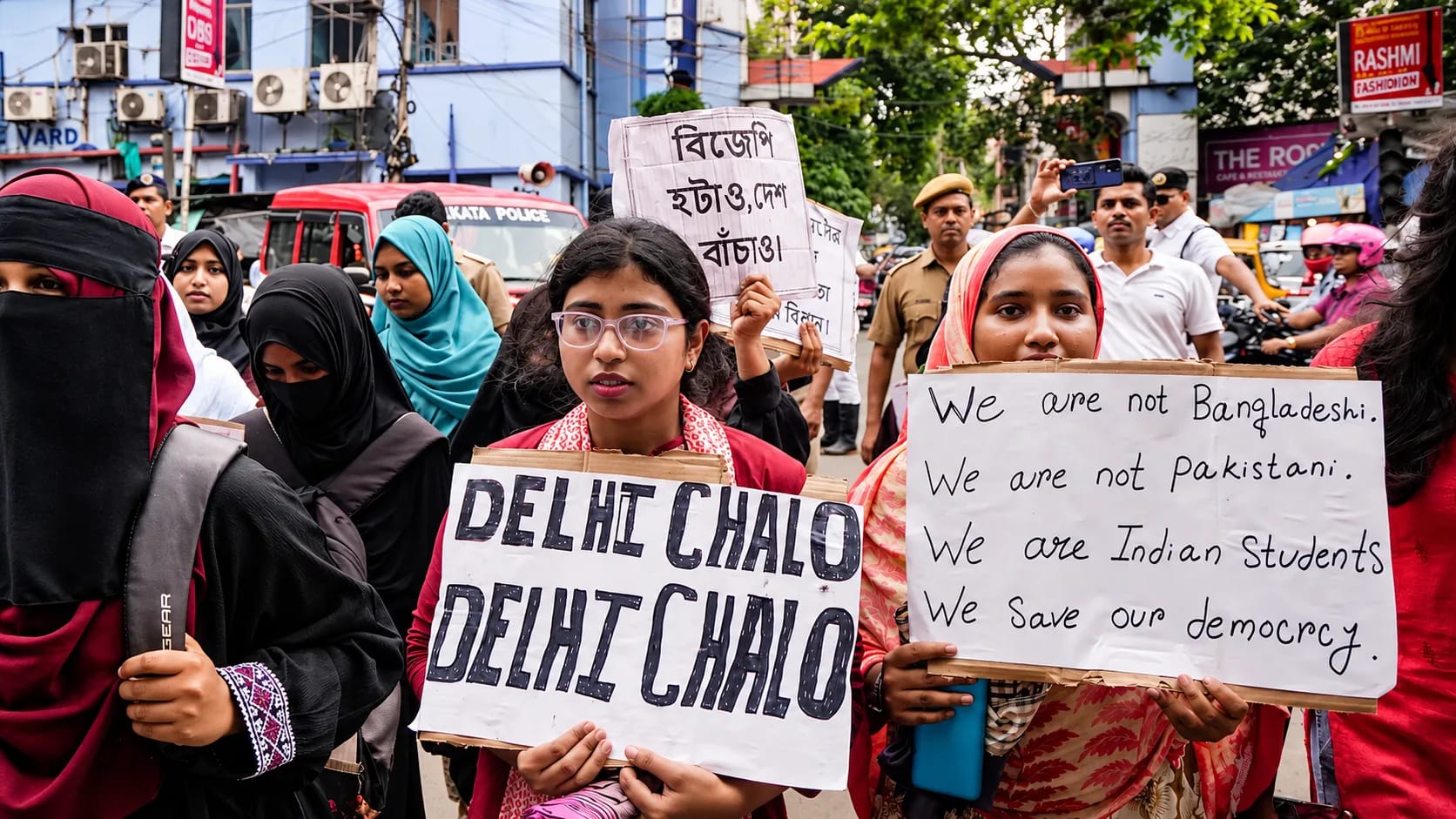
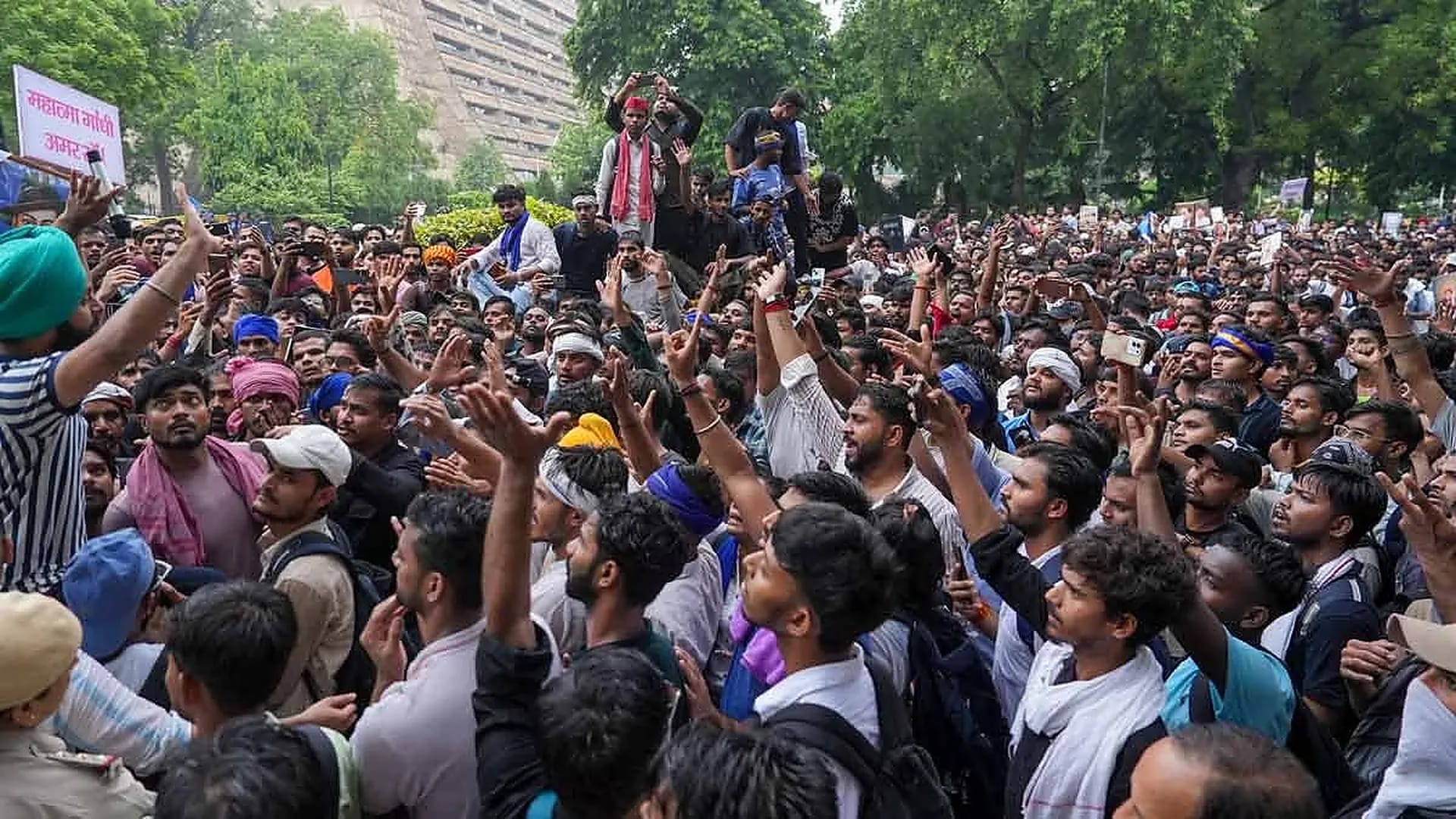
Youth-led demonstrations across India have brought employment opportunities, education-related grievances and political accountability into a wider public debate, according to reporting published on 16 October 2026.
A Reuters report published the same day described an increase in youth-driven protests and cited analysis from the Armed Conflict Location and Event Data Project (ACLED) suggesting that 2026 could record the highest level of protest activity in India in a decade. The report identified concerns involving employment, education and electoral administration among the issues associated with the demonstrations.
The developments highlight a broader political challenge: how governments respond when citizens express dissatisfaction with public services, opportunities and institutional procedures.
However, demonstrations are not a substitute for comprehensive economic data. Their significance must be examined alongside verified employment statistics, education policies, examination records and the specific demands made by protesters.
Employment and Economic Opportunity
Access to employment remains an important subject in India's political debate.
Young people transitioning from education into work may encounter difficulties involving the availability of suitable jobs, recruitment procedures, qualifications and competition for public-sector positions.
When political leaders make commitments concerning employment, those commitments can become a basis for public scrutiny.
Evaluating the government's performance requires examining measurable indicators, including labour-force participation, unemployment rates, job creation and the quality of available work.
These indicators must be interpreted carefully. A national unemployment figure, for example, does not necessarily describe the experience of every age group, region or educational category.
The same applies to claims about job creation. Announcements of vacancies, recruitment drives or investment projects do not automatically establish how many people ultimately obtain employment.
The recent protests have brought these questions into public discussion, but the scale and causes of youth employment difficulties should be established through reliable statistical evidence.
Education and Examination-Related Grievances
Education-related controversies have also featured in recent accounts of youth dissatisfaction.
The Reuters report identified examination paper leaks among the grievances associated with the wider protest movement.
Recruitment and entrance examinations can have significant consequences for candidates who invest time and money preparing for them.
Where an examination is compromised, the concerns extend beyond the immediate test. Candidates may question the fairness of the selection process, the security of examination materials and the ability of authorities to protect their interests.
A report of a suspected leak, an official investigation, a confirmed breach and a court-established finding are different stages of an examination controversy.
Responsible reporting should identify the examination involved, the relevant authority's response and the status of any inquiry or legal proceedings.
Electoral Administration and Institutional Trust
Electoral roll revision has emerged as another issue in the political environment surrounding the demonstrations.
Opposition parties and campaigners have raised concerns about voter registration and deletions associated with the Election Commission's revision process. The Election Commission's responsibilities include maintaining electoral rolls and administering elections under the applicable legal framework.
The removal of an entry from an electoral roll may occur for legitimate administrative reasons, including death or duplicate registration. At the same time, eligible voters must have appropriate opportunities to verify their status and correct errors.
Determining whether a revision exercise has been conducted properly requires evidence about the rules applied, the categories of entries changed and the procedures available to affected voters.
Similarly, political allegations of deliberate manipulation should not be treated as proven without supporting evidence.
Why Youth Participation Matters
Young citizens participate in politics through elections, public debate, organised campaigns and peaceful demonstrations.
Youth-led protests can bring issues into public attention that participants believe have not received sufficient consideration through existing political channels.
However, demonstrators are not a single, uniform group.
Different participants may be motivated by employment, education, local grievances, institutional accountability or broader political concerns.
A responsible analysis should therefore distinguish between the stated demands of identifiable organisations and the views of the wider youth population.


Join the discussion
Comments (0)