
Democracy or Political Show of Strength? Bihar CM Samrat Choudhary Takes Centre Stage in Patna's 'Loktantra Bachao' March!
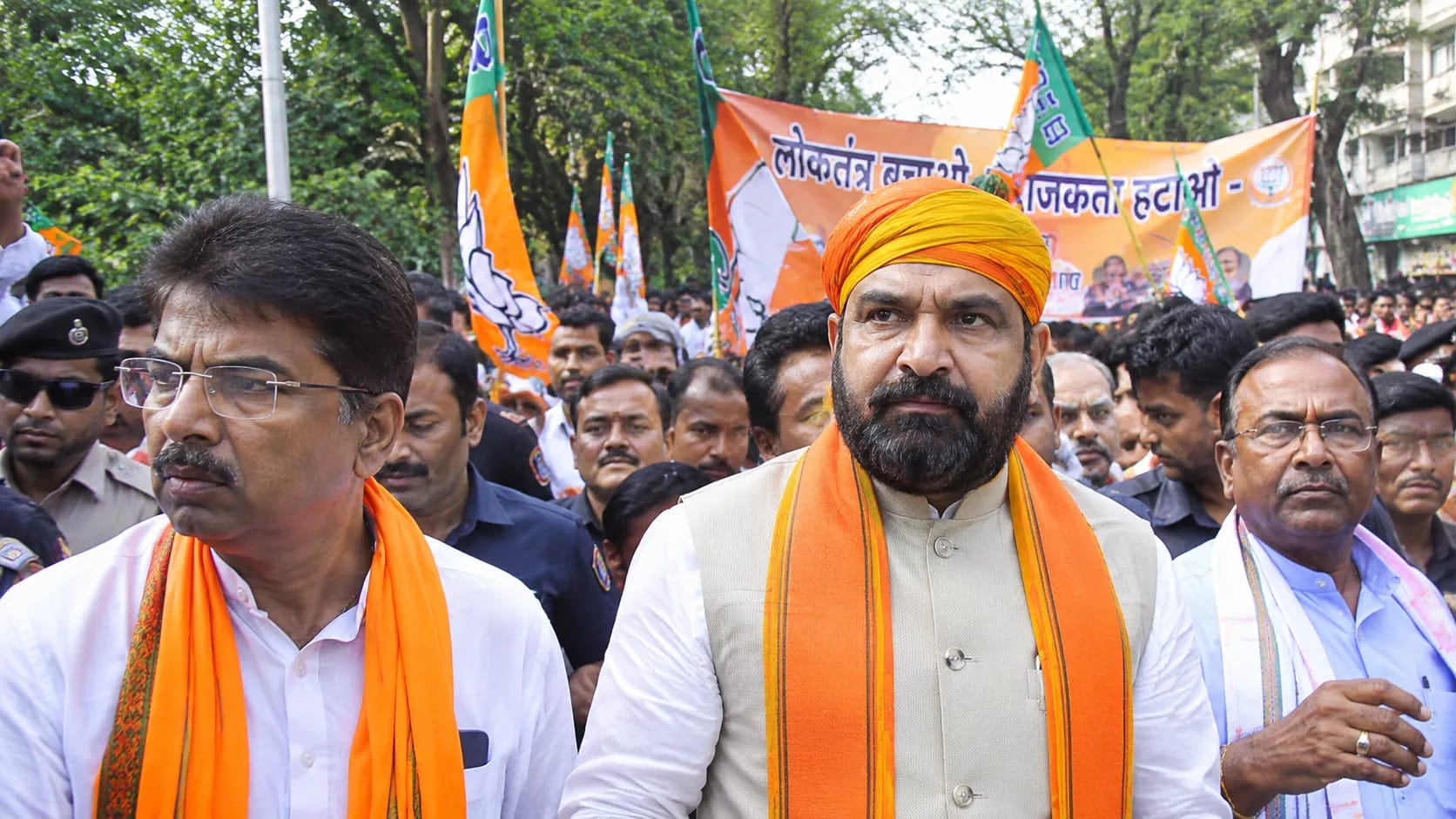
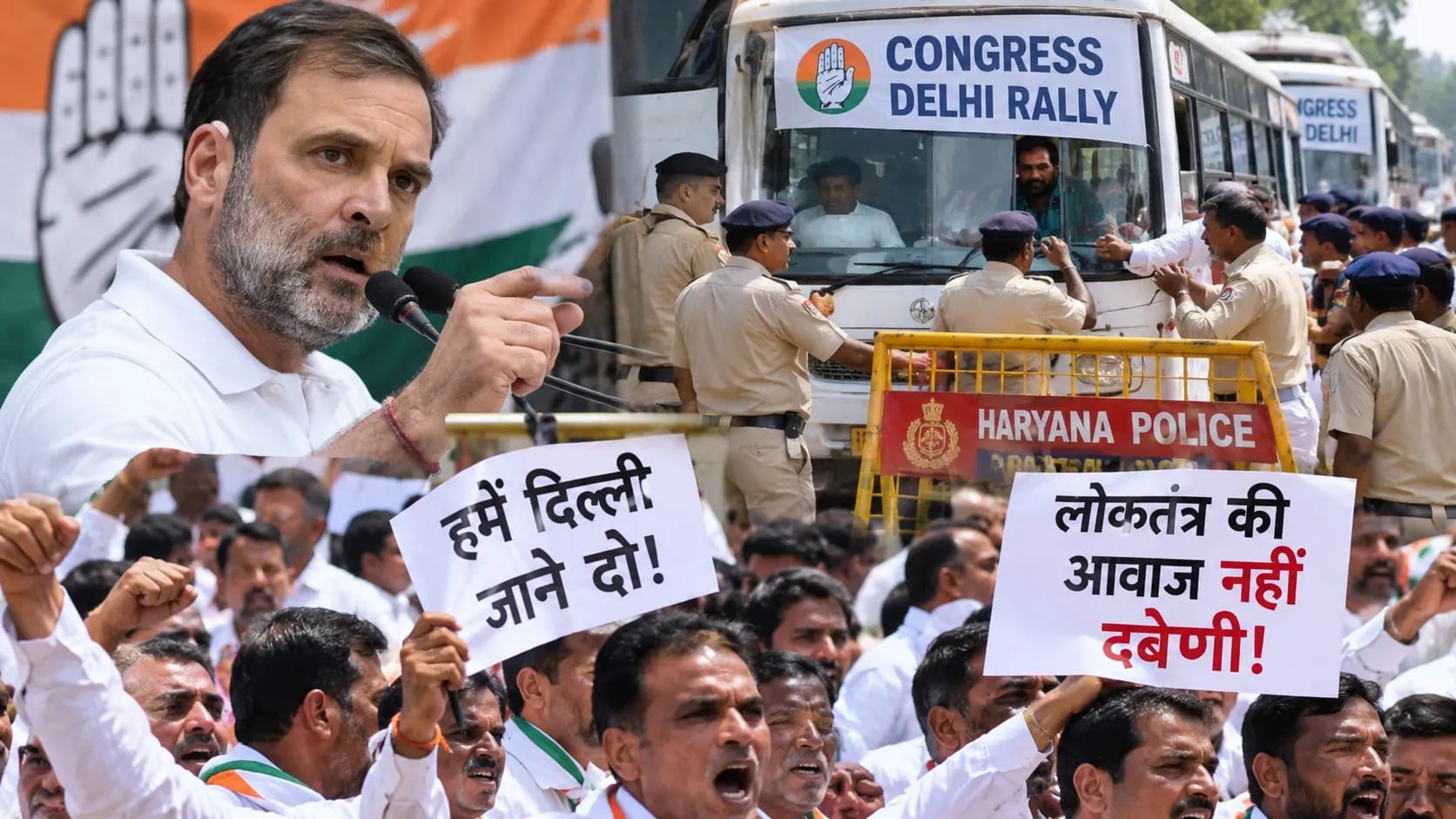
Bihar Chief Minister Samrat Choudhary participated in the 'Loktantra Bachao, Arajakta Hatao' march in Patna on October 28, 2026, bringing a prominent political message to the streets of the state capital.
The march, whose slogan translates to 'Save Democracy, Remove Anarchy', placed questions of democratic values, governance and political responsibility at the centre of public attention.
The participation of the Chief Minister gave the programme additional political significance, as the state's top executive joined an event carrying a message about the protection of democratic institutions and the importance of maintaining order.
The procession carried the slogan 'Loktantra Bachao, Arajakta Hatao'.
A Political Message Focused on Democracy
The slogan used during the march carries two important political themes: protecting democratic principles and opposing disorder.
Democracy is not limited to elections and the formation of governments. It also involves institutional accountability, freedom of expression, public participation and the responsibility of elected representatives.
Similarly, the demand for removing disorder raises questions about governance, law enforcement, administrative efficiency and the relationship between government institutions and citizens.
By participating in a march carrying this message, Samrat Choudhary became part of a public political programme that placed these issues in the spotlight.
Why Patna Matters in Bihar Politics
Patna is not merely Bihar's administrative capital. It is also an important centre of political activity, public mobilisation and state-level decision-making.
Political marches and public gatherings in the city frequently become platforms for communicating political positions, raising governance concerns and demonstrating organisational strength.
The October 28 march therefore attracted attention because of its message and the participation of the Chief Minister.
Samrat Choudhary's Political Position
Samrat Choudhary became Bihar's Chief Minister on April 15, 2026, according to the Bihar Chief Minister Secretariat.
His political leadership is associated with several important administrative priorities, including employment, infrastructure, education, healthcare and law and order.
His participation in the march placed him directly in a public programme built around democratic principles and the question of political order.
The event also provides an opportunity to examine the relationship between political messaging and administrative responsibility.
Democracy, Accountability and Public Expectations
The language of democracy and public order has considerable importance in a politically active state such as Bihar.
Citizens expect elected representatives to maintain constitutional values while ensuring effective administration.
These expectations include:
Transparent government functioning.
Accountability of public institutions.
Protection of democratic rights.
Effective law enforcement.
Responsible political conduct.
Equal treatment of citizens.
Efficient delivery of public services.
Political rallies can bring these expectations into public discussion. However, the real measure of democratic commitment ultimately lies in governance outcomes and institutional performance.
What Happens Next?
The political significance of the march will depend on how its message is reflected in the government's public communication and administrative priorities.
The coming days will be important for understanding whether the programme remains a symbolic political demonstration or becomes part of a wider political campaign.
For now, Samrat Choudhary's participation has brought the 'Loktantra Bachao, Arajakta Hatao' slogan into Bihar's political conversation.
Conclusion
The October 28 march in Patna placed democracy and political order at the centre of public attention. Chief Minister Samrat Choudhary's participation made the event particularly significant for Bihar politics.
Beyond slogans and public appearances, the larger challenge for political leadership remains the same: strengthening democratic institutions, ensuring accountability and meeting citizens' expectations through effective governance.
Join the discussion
Comments (0)