Eknath Shinde Meets PM Modi Over Maharashtra Drought, Centre Assures Support for Farmers
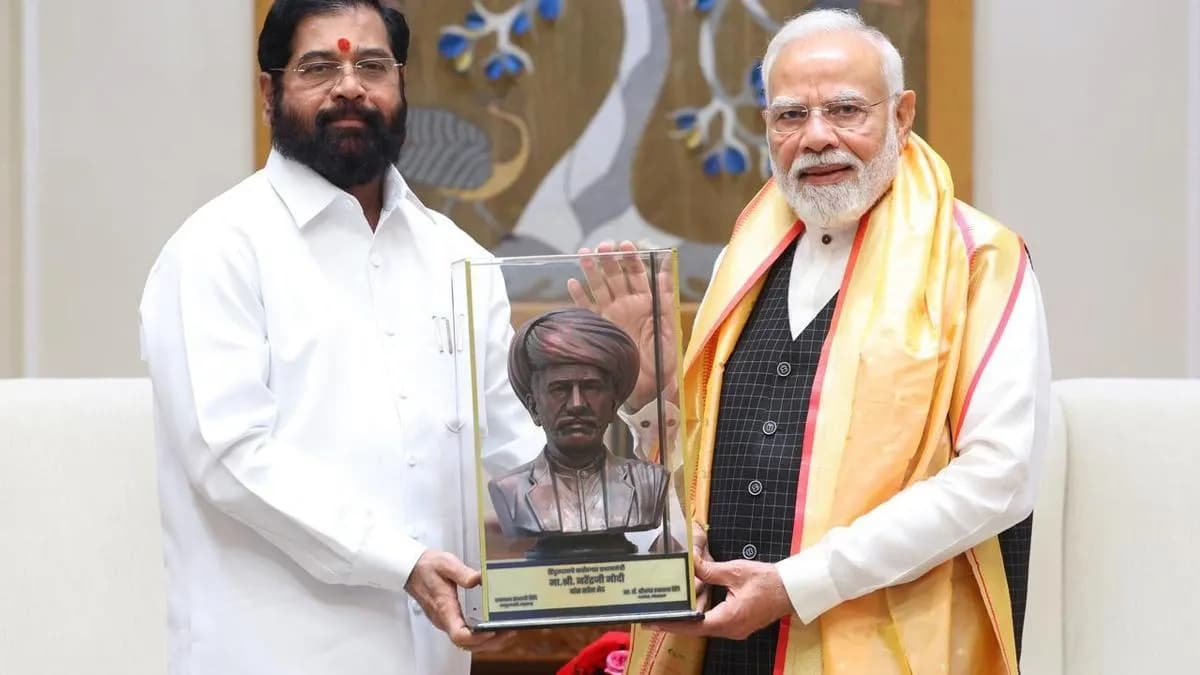
Maharashtra Deputy Chief Minister Eknath Shinde met Prime Minister Narendra Modi in New Delhi on October 5, 2026, to discuss the drought situation in Maharashtra and the difficulties being faced by farmers across the State.
The meeting lasted about an hour and focused on the impact of the drought on agriculture, water availability and fodder supplies for livestock. According to a statement issued by Mr. Shinde’s office, the Prime Minister assured support from the Centre for farmers affected by the situation.
The meeting comes amid growing concern over water availability and agricultural conditions in several parts of Maharashtra. The Union Agriculture Ministry had earlier said that nearly two-thirds of Maharashtra had been affected by drought and that the State had declared a drought. The Centre also announced that a Central team would visit Maharashtra to conduct a ground assessment of the affected areas.
The drought has raised concerns about crop planning, irrigation, drinking water availability and the availability of fodder for livestock. The Union Agriculture Ministry has emphasised that crop plans in drought-affected regions should take into account available water and soil moisture, with separate strategies for rain-fed and irrigated areas.
The Centre has also highlighted the importance of timely assessment and coordinated action between the Union and State governments. Agriculture Minister Shivraj Singh Chouhan has said that the Centre would work with affected States to assess the ground situation and support farmers during the difficult period.
Water management is another important component of Maharashtra’s response. Earlier in 2026, the Union Ministry of Jal Shakti held discussions with Maharashtra officials on drinking water, irrigation and long-term water security, including measures aimed at drought mitigation.
The meeting between Shinde and Modi therefore comes at a time when Maharashtra is dealing with the agricultural and water-related consequences of the drought. The immediate focus is expected to remain on water availability, crop conditions, livestock fodder and assistance for affected farmers.
The Centre’s proposed ground assessment and coordination with the State government will be important in determining the nature and extent of assistance required in the affected regions. For farmers, timely relief and measures to protect agricultural activity and livestock will remain key concerns as the drought situation develops.

Join the discussion
Comments (0)