Harish Rawat Defies Congress Warning, Continues Uttarakhand Yatra Ahead of Assembly Polls
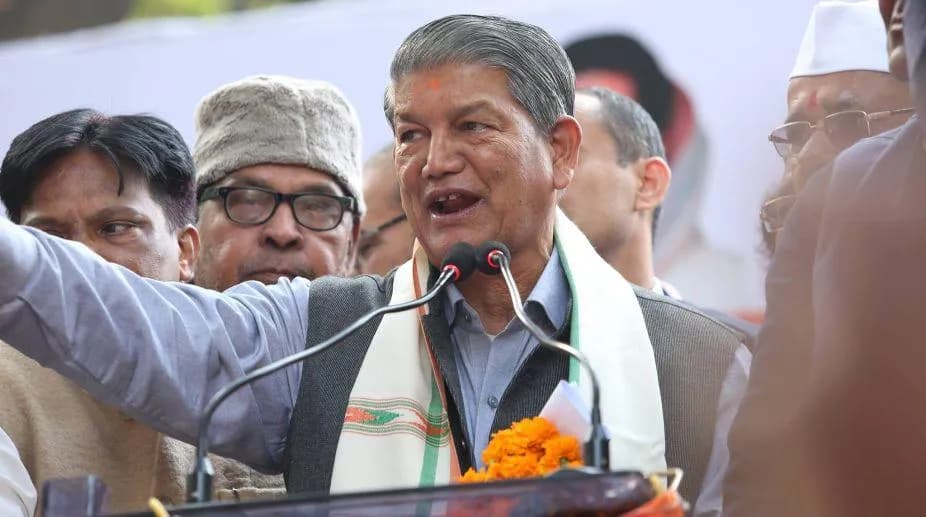
Harish Rawat Continues Uttarakhand Yatra Despite Congress Objection
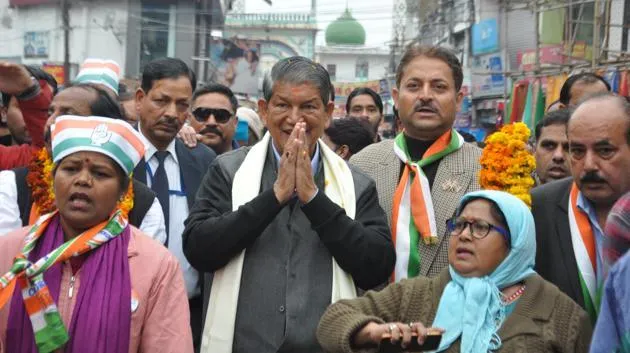
Fresh differences within the Uttarakhand Congress have come into the open after former Chief Minister Harish Rawat decided to continue his Dhanyawad evam Jansamvad Yatra despite objections from the party leadership.
Rawat has proceeded with the latest leg of his public outreach programme from Jaspur to Haldwani, even after Congress state in-charge Kumari Selja advised him to call off the programme.
The development has brought renewed attention to the internal differences within the Uttarakhand Congress at a politically sensitive time, with the state heading towards its next Assembly election.
The Congress high command has objected to what it described as Rawat's “personal” public outreach programme being organised outside the official party organisation. Rawat, however, has indicated that he intends to continue with the yatra.
Congress Leadership Objects to the Yatra
According to the report, the Congress high command has taken a firm position against Rawat's independent outreach programme.
Kumari Selja, who is the Congress in-charge for Uttarakhand, advised Rawat to call off the Dhanyawad evam Jansamvad Yatra.
The objection comes from the party's concern that the programme is being conducted separately from the official organisational structure.
The issue has consequently become another point of friction between Rawat and sections of the state Congress leadership.
The disagreement is particularly significant because Rawat remains a prominent Congress figure in Uttarakhand and has maintained an active public presence in the state.
Rawat Says There Is No Stopping the Yatra
Despite the warning, Rawat has indicated through social media posts that he intends to continue the programme.
In one of his posts, Rawat described the challenge before the party and state as significant while reaffirming his resolve to continue the yatra.
He also linked the programme to what he described as the need to bring change in Uttarakhand and strengthen the Congress.
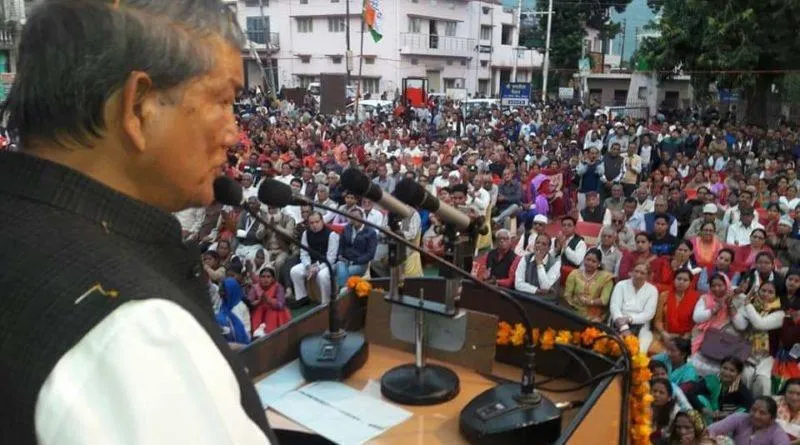
The former chief minister has presented the yatra as an outreach exercise involving interaction with people and discussion of issues affecting the state.
His decision to proceed despite the party leadership's objection has intensified the discussion over the relationship between Rawat and the current Congress organisation in Uttarakhand.
What Is the Dhanyawad evam Jansamvad Yatra?
The programme is being conducted as a public outreach and interaction exercise, with Rawat travelling through parts of Uttarakhand and engaging with people.
The latest phase is focused on the Jaspur-Haldwani route in the Kumaon region.
Rawat has sought to connect the yatra with broader issues facing Uttarakhand, including unemployment, social concerns, crime and what he described as an addiction epidemic in the state.
In a social media post ahead of the latest leg, he referred to concerns about rising unemployment, addiction, crime and incidents involving atrocities against women.
He used the imagery of a torch cutting through darkness to describe his political message and the purpose of his public outreach.
Rawat Says the Yatra Is Being Held Under the Congress Flag
The former chief minister has also indicated that his programme is being conducted under the Congress flag.
This is important because the central disagreement is not simply over Rawat holding public meetings, but over whether such a programme should be organised independently of the official party structure.
The Congress leadership's objection suggests that the party wants election-related political activity to remain coordinated through the organisational framework.
Rawat's decision to continue, meanwhile, highlights the continuing differences over political strategy and public outreach within the Uttarakhand unit.
Why the Dispute Matters Ahead of the Elections
The timing of the dispute has added political significance.
With the Uttarakhand Assembly elections approaching, the Congress is expected to focus on strengthening its organisation and preparing its campaign strategy.
Internal disagreements over public programmes and leadership roles can become particularly significant during the period leading up to an election because parties generally seek coordination among senior leaders and the state organisation.
The Economic Times report notes that Rawat had already been kept out of the party's election team nearly a year ahead of the polls.
His decision to proceed with the yatra despite the high command's objection has therefore added another dimension to the existing differences.
Congress Factions Differ Over Rawat's Approach
The response to Rawat's yatra has reportedly differed within the Uttarakhand Congress.
Some Congress leaders and factions view the independent programme as a complication for the party's election preparations.
Rawat's supporters, on the other hand, maintain that his public outreach is being carried out in the larger interest of the Congress.
This difference reflects a broader debate over how the party should conduct its political outreach in the state.
While the organisational leadership appears to favour a coordinated approach, Rawat has continued to pursue his own public engagement programme.
Rawat's Political Role Remains a Point of Discussion
Harish Rawat is a former chief minister and one of the better-known Congress leaders in Uttarakhand.
His continued public activity means that any disagreement involving him can have implications beyond an individual programme.
The latest dispute comes after Rawat had begun organising programmes that were running parallel to activities planned by the party organisation.
The report also notes that Rawat had recently recovered from an illness before resuming political activity.
His decision to continue the yatra now puts his public outreach strategy directly against the concerns expressed by the Congress leadership.
A Wider Leadership Question for Uttarakhand Congress
At the heart of the dispute is a larger organisational question: how should the Congress balance the political outreach of senior leaders with the authority of its state organisation?
Rawat's supporters see his direct interaction with people as a way of keeping the Congress connected with voters.
The party leadership, however, has objected to the programme being organised outside the official organisational structure.
The disagreement therefore reflects competing approaches to political mobilisation rather than merely a dispute over one tour.
As the Assembly election approaches, the Congress will have to manage these differences while also presenting a coordinated political strategy to voters.
Rawat Raises Issues of Unemployment and Addiction
During his latest public messaging, Rawat highlighted several issues that he said were affecting Uttarakhand.
Among them were unemployment, addiction, crime and incidents of violence against women.
He also spoke about concerns over social intolerance and the problems facing villages across the state.
By placing these issues at the centre of his yatra, Rawat is using the programme to frame his political outreach around concerns he believes require greater attention.
The extent to which these themes become part of the wider Congress campaign will depend on the party's eventual electoral strategy.
Internal Differences Spill Into the Open
The latest episode is significant because the disagreement is no longer limited to internal discussions.
The Congress leadership has publicly conveyed its objection to the yatra, while Rawat has publicly signalled that he intends to continue.
That has made the internal differences more visible at a time when the party is preparing for an important electoral contest.
For Congress, managing the relationship between Rawat and the wider state organisation could become an important organisational challenge in the months ahead.
What Happens Next?
For now, Harish Rawat's yatra is continuing despite the Congress warning.
The immediate political question is whether the party leadership will take any further organisational action over the programme or whether an understanding will eventually be reached between Rawat and the state leadership.
The broader question is how the Congress will coordinate its senior leaders and public outreach ahead of the Uttarakhand Assembly election.
The yatra has already highlighted the differences between Rawat's independent political activity and the party organisation's preferred approach.
As the election campaign develops, the Congress will have to balance internal coordination, public outreach and competing leadership interests while attempting to present a unified political message.
For Rawat, the continuation of the yatra represents a decision to maintain his direct engagement with the people of Uttarakhand despite the concerns raised by the party leadership.
For the Congress, the episode underlines the challenge of keeping its senior leaders and organisational machinery aligned as the state moves closer to another Assembly election.
Join the discussion
Comments (0)