Jharkhand SIR Controversy Deepens! Electoral Roll Revision Puts Voter Inclusion and Transparency Under Spotlight
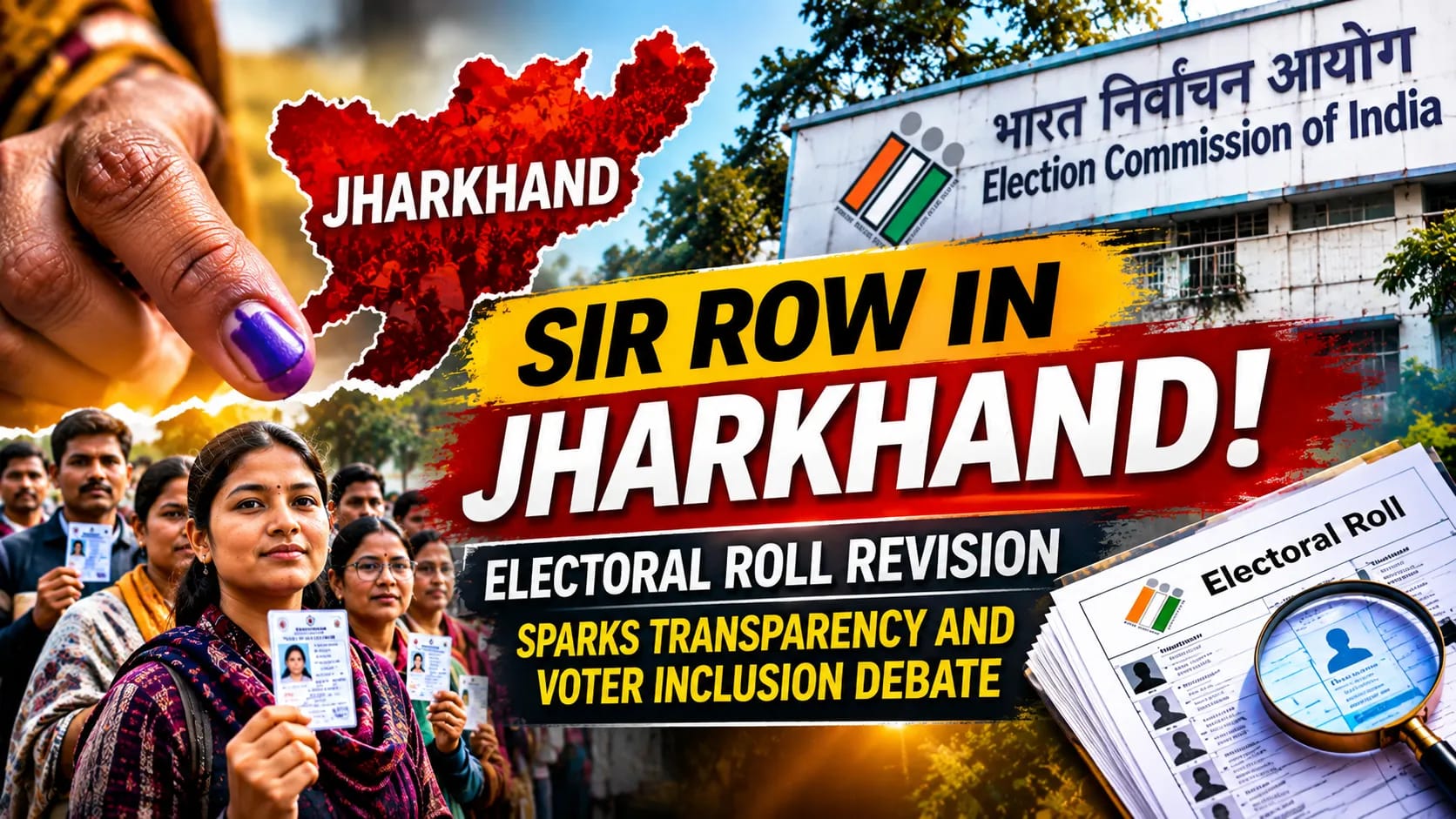
Electoral revision becomes a major political issue
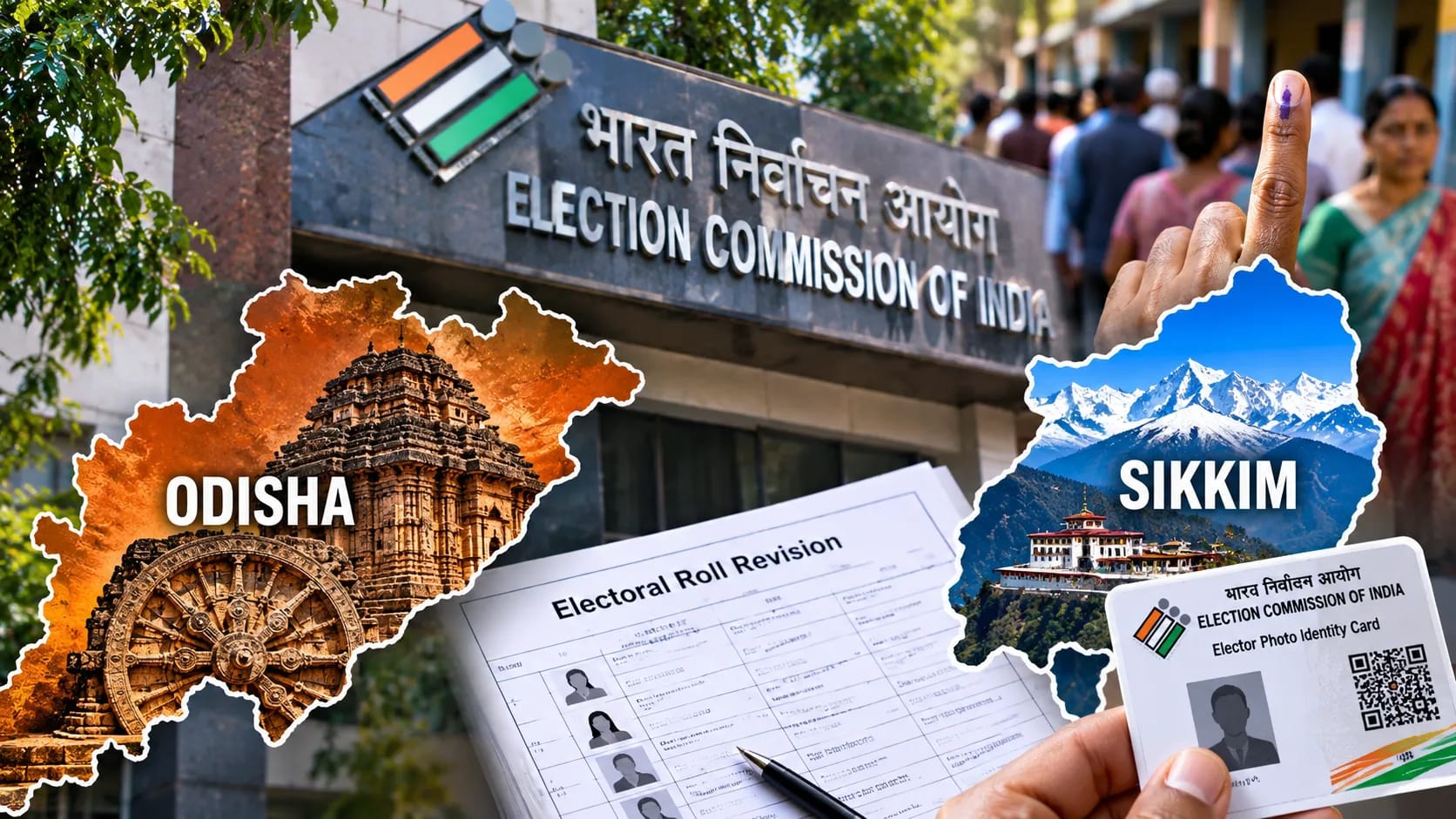
Jharkhand's electoral landscape is witnessing an important administrative exercise as the Election Commission of India continues its Special Intensive Revision (SIR) of electoral rolls.
The exercise is intended to improve the accuracy of voter lists by identifying eligible voters, correcting electoral information and examining entries that require verification.
However, the revision has also brought questions of voter inclusion and transparency into focus. For a democratic election process, an accurate electoral roll is essential, but ensuring that no eligible citizen is excluded is equally important.
Why has Jharkhand's SIR attracted attention?
The scale of the revision has made the exercise particularly significant.
According to reporting on the Election Commission's figures, Jharkhand had approximately 2.64 crore electors before the revision process. The draft electoral roll published on 5 August contained approximately 2.21 crore names.
The draft stage therefore reflected a substantial reduction of around 43.61 lakh entries.
Election Commission extends the final publication deadline
The Election Commission extended the deadline for the final publication of Jharkhand's electoral rolls to 30 November 2026.
The extension followed requests from district election officers for additional time to complete the verification and related administrative procedures.
The revised schedule also provided deadlines for handling notices, digitising claims and objections, and disposing of applications.
According to the reported schedule:
October 22 was the deadline for disposal of specified first and second notices.
October 31 was the deadline for digitisation of claims and objections.
November 23 was the deadline for disposal of all claims and objections.
November 30 was scheduled for final publication of the electoral rolls.
Voter inclusion remains the biggest concern
The central question surrounding the SIR exercise is whether every eligible voter can successfully verify their registration.
Women, elderly citizens, persons with disabilities, migrant workers and people who have changed residences may face difficulties in completing documentation or responding to official notices.
The availability of accessible enrolment facilities and clear information about the claims process is therefore essential.
What happens next?
With the final publication scheduled for November 30, the coming weeks remain important for Jharkhand's electoral administration.
Citizens should verify their names and details through official Election Commission channels and use the prescribed procedures if corrections or inclusion are necessary.
The real test of the SIR exercise will be whether it produces an accurate electoral roll while protecting the voting rights of every eligible citizen.
In a democracy, electoral accuracy and voter inclusion must move together.



Join the discussion
Comments (0)