Uttar Pradesh Politics Heats Up as Yogi Adityanath Targets 115 Key Seats Ahead of 2027 Assembly Polls • Rajasthan Civic Polls 2026: Voting Begins as BJP Faces Rebel Challenge • Yogi Adityanath Targets 2027 UP Elections, Says BJP Will Return With a Grand Majority
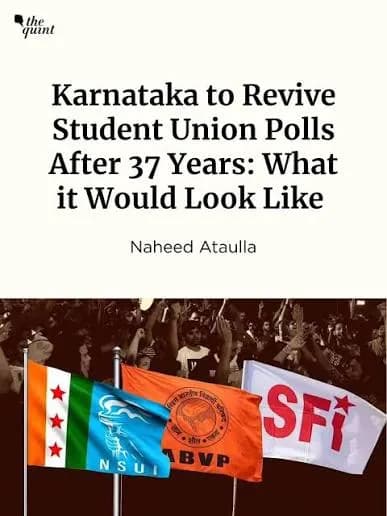
Karnataka Politics Takes New Turn as Student Union Elections Return After 37 Years
Haripriya 10 Sept 2026 4 min read 99 views
Karnataka Politics has entered a new phase after the state government approved the return of student union elections in colleges following a 37-year gap. The decision is being viewed as an important development for campus democracy and youth participation in public life.
The Karnataka Cabinet approved the proposal following recommendations from a sub-committee. The elections will initially cover degree and pre-university colleges, with students being given an important role in deciding whether elections should be conducted on their campuses.
Student Politics Returns to Karnataka Campuses
Student union elections were banned in Karnataka in 1989 following concerns about violence on campuses. After decades without formal student elections, the government has now decided to bring the system back under a new framework.
The proposed structure includes positions such as president, vice-president, general secretary, joint secretaries and members of an executive committee. Some positions will also be reserved for women, including one vice-president, one joint secretary and two executive committee members.
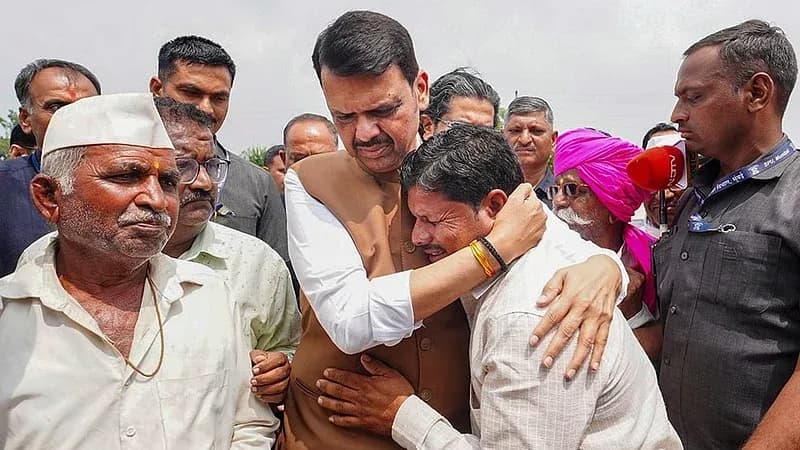
Maharashtra's decision to declare 265 talukas drought-affected has triggered questions from both ruling alliance leaders and the Opposition. While some areas represented by Mahayuti leaders have been excluded, the MVA has questioned the transparency of the assessment process.
The return of elections could give students a formal platform to raise concerns about education, campus facilities, examinations, scholarships and other issues affecting their academic lives.
Political Affiliation Will Remain Restricted
One of the most important aspects of the new system is that student unions will not formally be affiliated with political parties.
However, students associated with political organisations will reportedly be allowed to contest independently. This could create an interesting balance between political participation and maintaining the academic character of college campuses.
The government will therefore face the challenge of ensuring that student elections encourage democratic participation without allowing campuses to become centres of political violence or excessive partisan confrontation.
A New Phase of Youth Politics
The decision is particularly significant for Youth Politics in Karnataka. Student organisations have traditionally played an important role in developing future political leaders, activists and public representatives.
By restoring student elections, the state could create opportunities for young people to learn about leadership, campaigning, public speaking, negotiation and democratic decision-making.
At the same time, the success of the system will depend on whether elections remain peaceful and focused on genuine student concerns.
Women to Get Representation
The proposed structure also places emphasis on women's representation in student leadership. Specific positions are expected to be reserved for women, including a vice-president position, a joint secretary position and two executive committee seats.
This could encourage more female students to participate in campus leadership and public decision-making.
The move may also contribute to a wider discussion about women's representation in politics (opens in a new tab), particularly at the grassroots level.
Although formal political affiliation will not be permitted, the involvement of students with political backgrounds could still make campus elections an important area for Political Parties.
Major political organisations may attempt to influence student opinion indirectly by engaging with young voters and emerging student leaders. However, maintaining the independence of student unions will be crucial if the system is to achieve its intended purpose.
The government will need to establish clear rules regarding campaigning, funding, political symbols and outside political involvement.
Could Campus Politics Become a Political War?
The return of student elections could eventually create a new Political War (opens in a new tab) between competing student groups, particularly if major political organisations attempt to expand their influence on campuses.
However, political competition itself is not necessarily negative. Healthy competition can help students understand democratic processes and develop leadership skills.
The key challenge will be preventing violence, intimidation and excessive external political influence.
Why the Decision Matters
The decision comes at a time when young voters are becoming increasingly important in Karnataka and across India.
Students are concerned about employment opportunities, skill development, education costs, technology, competitive examinations and career prospects. Giving them an organised platform to raise these issues could strengthen communication between students and educational authorities.
The move may also encourage colleges to address student concerns through structured democratic mechanisms rather than protests alone.
What Happens Next?
Colleges will now need to prepare for the implementation of the new system. Student participation will be an important factor because elections can reportedly be cancelled if students themselves oppose conducting them on a particular campus.
The government will also have to ensure that the election process remains transparent and safe.
The success of the initiative will ultimately depend on how effectively colleges manage campaigning, voting and student representation.
Conclusion
The restoration of student union elections after 37 years marks an important moment for Karnataka's campus democracy. The decision provides students with a renewed opportunity to participate in elections and develop leadership skills while keeping formal political-party affiliation outside the student-union structure.
For Karnataka Politics, the move could have longer-term consequences by creating a new generation of politically aware young leaders.
If implemented successfully, student elections could become a platform where young people learn democratic values, debate public issues and develop leadership abilities before entering wider public life.
“Karnataka has taken a major step in campus politics by approving the return of student union elections after a 37-year gap. The decision allows colleges to conduct student elections while keeping them formally unaffiliated with political parties, bringing youth participation, campus democracy and student representation back into the political discussion.”
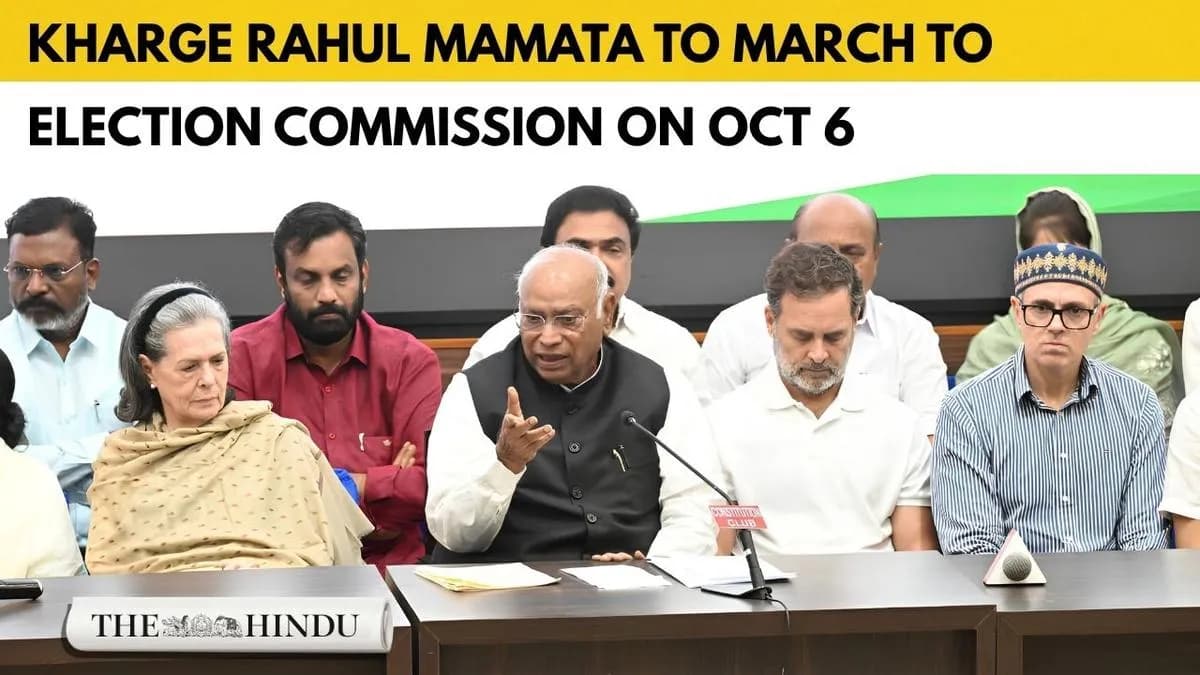
The INDIA bloc has announced a nationwide campaign over concerns related to the Election Commission and electoral processes. The Opposition plans protests, a march to the Election Commission headquarters, and a legal challenge to provisions of the Chief Election Commissioner Act, 2023.
Discussions between Chief Minister C. Joseph Vijay's Tamilaga Vettri Kazhagam (TVK) and the Pattali Makkal Katchi (PMK) have intensified, with reports suggesting alliance talks and possible Cabinet representation. However, no official announcement has been made by either party.
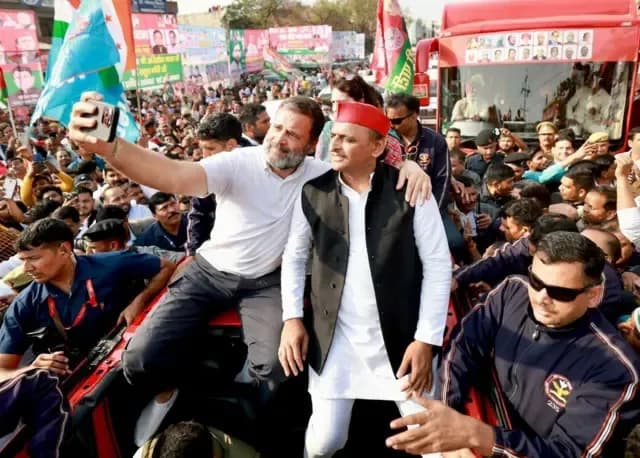
With the Uttar Pradesh Assembly election approaching in 2027, the Samajwadi Party and Congress are working to strengthen their alliance after their improved performance in the 2024 Lok Sabha elections. Political observers believe the opposition has an important opportunity, but unity and effective seat-sharing will be crucial.