Uttar Pradesh Politics Heats Up as Yogi Adityanath Targets 115 Key Seats Ahead of 2027 Assembly Polls • Rajasthan Civic Polls 2026: Voting Begins as BJP Faces Rebel Challenge • Yogi Adityanath Targets 2027 UP Elections, Says BJP Will Return With a Grand Majority
Kerala Politics: Governance, Welfare and Development Remain at the Heart of Political Debate
Haripriya 8 Sept 2026 8 min read 84 views
Kerala remains one of India’s most politically active states, with strong political participation and a long tradition of competitive elections. Political developments in Thiruvananthapuram, Kochi, Kozhikode and other districts continue to attract attention as parties prepare for future political contests.
The state's political debate often focuses on welfare, healthcare, education, employment, infrastructure and economic development.
A major issue in Kerala's political economy is the balance between welfare commitments and the state's fiscal position. A Business Standard analysis published in April 2026 noted that rising public debt and limited fiscal space had not reduced the political importance of welfare programmes.
Governance and Welfare Remain Important
Welfare programmes and public services remain major subjects of political discussion in Kerala. Healthcare and education have traditionally been important areas of public policy, while employment and economic opportunities remain significant concerns, particularly among young people.
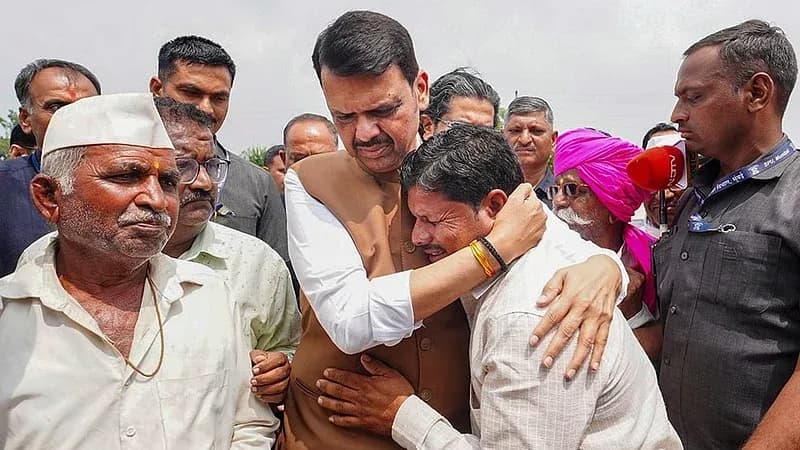
Maharashtra's decision to declare 265 talukas drought-affected has triggered questions from both ruling alliance leaders and the Opposition. While some areas represented by Mahayuti leaders have been excluded, the MVA has questioned the transparency of the assessment process.
The government faces the challenge of maintaining social welfare while encouraging investment and creating new employment opportunities.
According to the Business Standard analysis, Kerala's welfare model is closely connected with demographic and economic factors including an ageing population, migration and demand for social security. The report noted that more than six million people receive social security pensions, making welfare an important part of the state's political and governance debate.
The state's 2026-27 budget also allocated ₹14,500 crore for social security pensions and announced increases in honorariums for ASHA and Anganwadi workers, reflecting the continuing importance of social-sector spending.
Welfare Politics and Rising Public Debt
One of the central political and economic questions in Kerala is how the state's welfare model can be sustained while managing debt and other fiscal pressures.
Business Standard reported that Kerala's outstanding liabilities were estimated at more than ₹3 trillion in 2024-25, with the debt-to-GSDP ratio projected at around 34-35 per cent. The report also cited CAG figures showing liabilities at higher levels and pointed to continued revenue deficits.
The report said a significant portion of the state's expenditure is committed to salaries, pensions and interest payments, leaving comparatively less fiscal space for capital investment. It also highlighted concerns that a large share of borrowing has been used for existing expenditure and debt servicing rather than creating new productive assets.
These figures and assessments have become part of the wider debate over the sustainability of Kerala's welfare model.
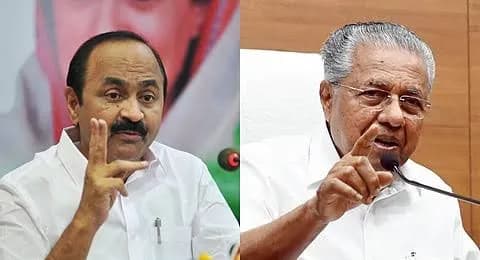
At the same time, the fiscal situation is contested politically. The LDF government has rejected descriptions of Kerala as being in a “debt trap” and has argued that the state's welfare and development programmes have produced substantial social benefits.
Political Competition Remains Strong
Kerala's politics is largely shaped by competition between the Left Democratic Front (LDF) and the United Democratic Front (UDF), while the BJP continues its efforts to expand its presence in the state.
The political contest extends from Assembly constituencies to local-level politics, with parties attempting to strengthen their grassroots organisations.
The welfare debate cuts across this political competition. The major fronts differ in their approaches to fiscal management, welfare delivery and development, but welfare remains an important component of their political messaging.
Assembly Debates Under Focus
The Kerala Legislative Assembly remains an important platform for discussing government policies and public issues.
Questions surrounding budgets, welfare programmes, infrastructure, education and healthcare regularly become part of legislative debates.
Through Vidhan Sabha coverage, readers can follow important Assembly proceedings, political arguments and government decisions.
Fiscal management is also expected to remain an important subject in legislative discussions, particularly when questions arise over borrowing, revenue collections, welfare expenditure and capital investment.
Employment and Youth Issues
Employment remains an important concern for Kerala's young population. While the state has strong educational indicators and a large service sector, creating sufficient local employment opportunities remains a major political challenge.
Technology, tourism, startups and new industries could play an important role in expanding employment opportunities in the coming years.
Political parties are therefore expected to place greater emphasis on skill development, entrepreneurship and private-sector investment.
The welfare debate is closely connected with employment. Business Standard noted that high educated unemployment and migration are among the structural factors contributing to continued demand for welfare support.
The LDF's 2026 manifesto, for example, included proposals for campus placements, expanded skill training and measures aimed at increasing women's participation in the workforce, alongside its welfare commitments.
Infrastructure and Development
Kerala's geography creates unique infrastructure challenges. Roads, public transport, urban development and environmental concerns frequently feature in political discussions.
Major cities such as Kochi and Thiruvananthapuram are experiencing continued development, while rural areas also require investment in connectivity and public facilities.
Balancing economic development with environmental protection will remain an important challenge for policymakers.
Fiscal pressure adds another dimension to this debate because infrastructure and capital investment require adequate financial resources. Business Standard's analysis highlighted concerns about the limited fiscal space available for capital expenditure when a large portion of expenditure is committed to salaries, pensions, interest and welfare-related obligations.
Welfare, Development and Economic Growth
Kerala's political debate is increasingly shaped by the relationship between welfare and economic growth.
The state's development model has traditionally placed strong emphasis on public healthcare, education and social protection. At the same time, policymakers face pressure to create more productive employment, attract investment and strengthen the revenue base.
The LDF has highlighted welfare and development programmes including social security pensions, the LIFE housing mission and Aardram health reforms. The government has also pointed to improvements in public healthcare and education as part of its governance record.
Opposition parties have raised questions about fiscal management and the sustainability of government spending, while generally continuing to support welfare commitments. Business Standard reported that the political disagreement is more focused on delivery, efficiency and fiscal management than on removing welfare from the state's policy framework.
Political Parties and Welfare Strategies
The LDF, UDF and BJP-led NDA have different political positions and organisational strategies in Kerala.
The LDF has emphasised continuity in welfare and public services. The UDF has criticised aspects of fiscal management while also presenting its own approach to welfare and development. The BJP has criticised the state's fiscal model and promoted greater use of central welfare schemes.
These competing approaches make welfare, public finance, employment and development important subjects for Kerala Politics.
The political debate is therefore not simply about whether welfare programmes should continue. It also concerns how they should be funded, delivered and combined with investment and employment generation.
The Fiscal Challenge
Kerala's fiscal position remains an important issue for policymakers.
Business Standard reported that salaries, pensions and interest payments account for more than 60 per cent of revenue expenditure, limiting the room available for capital investment. The report also highlighted the impact of Kerala's ageing population and overseas migration on government finances and social-security requirements.
The Reserve Bank of India and the Comptroller and Auditor General have both featured in discussions about state fiscal sustainability, although political parties differ in their interpretation of the causes and appropriate response.
The challenge is therefore to balance social protection with fiscal discipline, investment and long-term economic growth.
Political Competition and Public Expectations
Kerala's voters have historically placed significant importance on public services and welfare delivery.
As a result,Political Parties (opens in a new tab) are likely to continue focusing on healthcare, pensions, housing, education, employment and social protection.
At the same time, rising expectations among young people could increase pressure on parties to address private-sector employment, technology, entrepreneurship and investment.
This combination of welfare expectations and demand for economic opportunities is likely to remain central to Kerala's political discussion.
Speeches and Public Outreach
Political leaders across Kerala are expected to use public Speech programmes, meetings and Rallies (opens in a new tab) to present their positions on welfare, governance, development and economic issues.
Public speeches (opens in a new tab) also provide parties with an opportunity to explain their approaches to fiscal management and social-sector spending.
For voters, the debate is likely to involve questions about the quality of public services, employment opportunities, welfare benefits, infrastructure and the state's financial capacity.
Lok Sabha and Rajya Sabha Context
Kerala's political developments also remain connected to national parliamentary politics.
The state's Lok Sabha representation makes it an important part of national political discussions, while Assembly-level political strength can influence the election of members to the Rajya Sabha.
Political Parties therefore monitor developments in Kerala not only for state-level electoral reasons but also because of their wider parliamentary implications.
Readers can follow Lok Sabha, Rajya Sabha and state-level Elections through Indian Rajniti's political coverage.
The Road Ahead
Kerala's political future will depend on how effectively political parties respond to changing voter expectations.
Governance, welfare delivery, employment, infrastructure and economic development are likely to remain central issues in the state's political debate.
The sustainability of welfare spending is also likely to receive continued attention as Kerala manages debt, revenue constraints, demographic changes and demands for greater economic investment.
The key policy challenge is balancing welfare and social protection with job creation, investment and capital development. Business Standard's analysis identified this balance as one of the central questions surrounding Kerala's political economy.
Conclusion
Kerala's political debate continues to revolve around welfare, governance, employment, infrastructure and economic development.
The state's welfare model remains politically important, with millions of people receiving social security benefits and successive governments placing healthcare, education, pensions and housing among their major policy priorities.
At the same time, rising liabilities, revenue pressures and limited fiscal space have created an ongoing debate about how Kerala can sustain its welfare commitments while increasing investment and creating new employment opportunities.
The LDF, UDF and BJP-led NDA continue to present different approaches to welfare, development and fiscal management. Their competing positions will remain important to Kerala Politics as public expectations evolve.
For voters, issues such as welfare delivery, healthcare, education, employment, investment, infrastructure and government finances are likely to remain part of the political discussion.
Indian Rajniti will continue covering Kerala politics, Political Parties, political leaders, government decisions, Assembly developments, welfare policies, economic issues and important political events across the state.
“Kerala’s political landscape continues to be shaped by governance, welfare, employment, education and development, while major political parties work to strengthen their support across the state.”
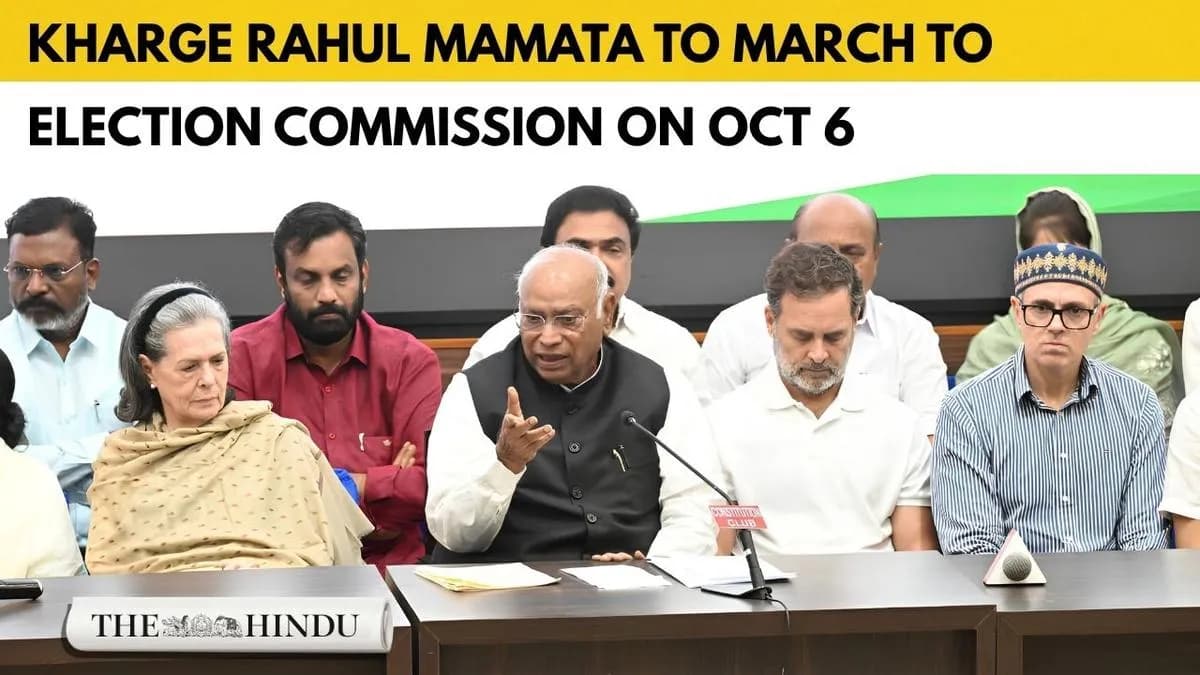
The INDIA bloc has announced a nationwide campaign over concerns related to the Election Commission and electoral processes. The Opposition plans protests, a march to the Election Commission headquarters, and a legal challenge to provisions of the Chief Election Commissioner Act, 2023.
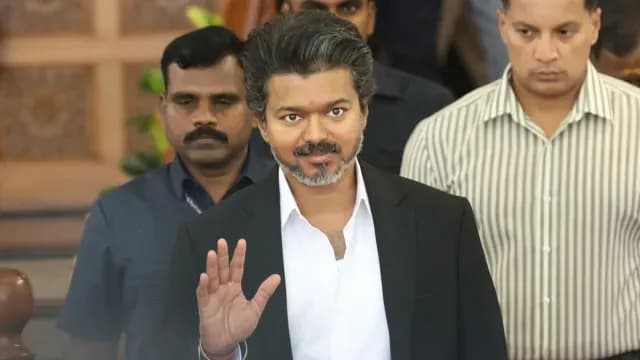
Discussions between Chief Minister C. Joseph Vijay's Tamilaga Vettri Kazhagam (TVK) and the Pattali Makkal Katchi (PMK) have intensified, with reports suggesting alliance talks and possible Cabinet representation. However, no official announcement has been made by either party.
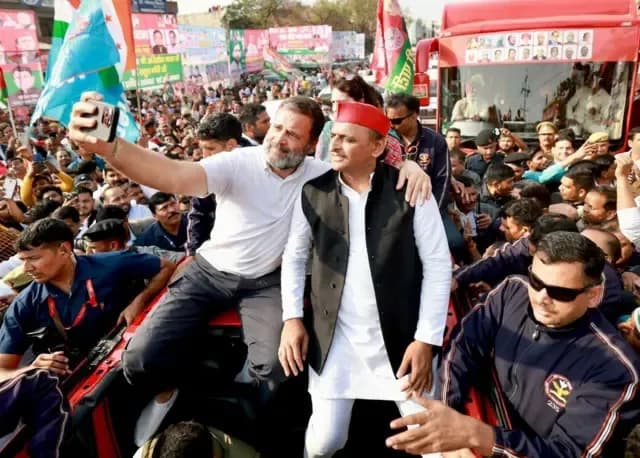
With the Uttar Pradesh Assembly election approaching in 2027, the Samajwadi Party and Congress are working to strengthen their alliance after their improved performance in the 2024 Lok Sabha elections. Political observers believe the opposition has an important opportunity, but unity and effective seat-sharing will be crucial.
By Shivani CH • 107 views
Have a question or enquiry?
Our team is here to help with general questions, partnerships, corrections and feedback.
Goa's political activity is intensifying ahead of the 2027 Assembly election as AAP and Goa Forward Party continue with their “Goa First” alliance, while reports of Congress-GFP discussions create fresh questions about the opposition's electoral strategy. The BJP is also strengthening its organisation, while the electoral-roll revision issue remains in focus.