Odisha: BJD Walkout Disrupts Assembly Over Mining Law
BREAKING
UP MLC Election Results 2026: BJP and Samajwadi Party Win Key Seats as Counting Continues • Karnataka MLC Polls 2026: BJP-JD(S) Alliance Secures All Four Seats • Bihar MLC Elections 2026: Jan Suraaj Wins Darbhanga Graduate Seat as Results Emerge • Congress and BJP Step Up Political Campaigns Ahead of 2027 Assembly Elections • Rajya Sabha Secretariat Seeks Report on John Brittas’ Alleged Assault During Protest
Odisha: BJD Walkout Disrupts Assembly Over Mining Law
Pradeep S V 28 Sept 2026 4 min read 235 views
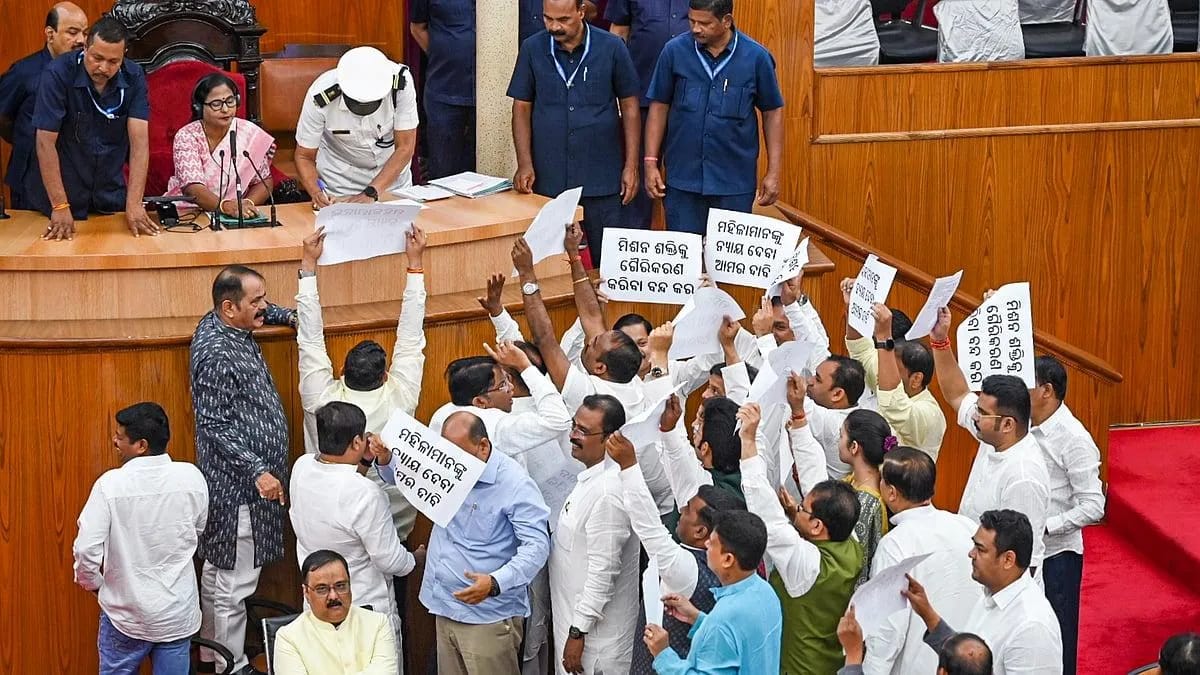
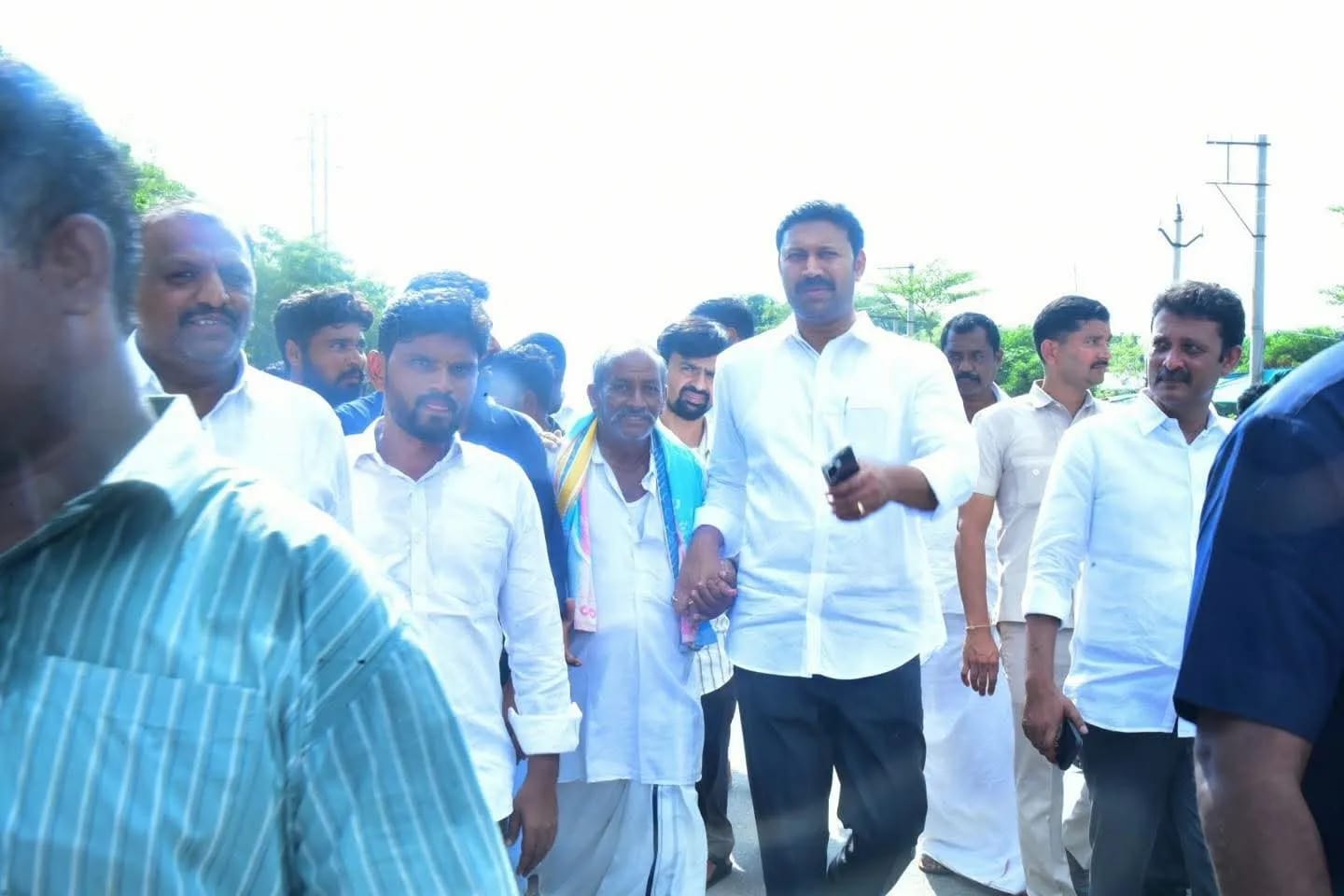
The Odisha (opens in a new tab) Assembly witnessed another disruption on September 28, 2026, as opposition Biju Janata Dal (BJD) and Congress legislators protested against the Mines and Minerals (Development and Regulation) Amendment Act, 2026. The protests led to the adjournment of the House, continuing several days of confrontation over the legislation and its potential financial implications for Odisha.
Opposition Protests Inside the Assembly
The latest disruption came during the ongoing monsoon session of the Odisha Assembly. BJD and Congress members raised slogans and protested over the amended mining legislation. According to reports, the proceedings were adjourned until 4 PM following the protests.
बीकापुर में बड़ी जनसभा, मायावती को पांचवीं बार मुख्यमंत्री बनाने का दावा, बाकी पार्टियों से आगे निकली बसपा
The developments marked the fifth consecutive working day of noisy proceedings over the issue, reflecting the continuing disagreement between the Opposition and the state government over the mining legislation.
The BJD has demanded the withdrawal of the amended law and has argued that the legislation affects the financial powers of mineral-rich states. Congress legislators have also opposed the legislation and sought clarification from the state government on its implementation in Odisha.
What Is the Mining Law Dispute About?
The Mines and Minerals (Development and Regulation) Amendment Act, 2026, passed by Parliament in August, changes the framework governing certain state-level levies on mineral rights and mineral-bearing land.
According to an analysis by The Indian Express, the amendments seek to establish a more uniform national framework for taxation of major minerals and restrict states from imposing specified taxes, cess or other levies on mineral rights and mineral-bearing lands.
The legislation has become particularly contentious in Odisha because the state's economy has a significant connection with mining and mineral resources.
BJD Raises Revenue Concerns
The BJD has argued that the amended legislation could reduce Odisha's potential revenue from mining.
Party leaders have cited estimates of approximately ₹12,000 crore in annual revenue and around ₹1 lakh crore in arrears, saying these amounts could be affected by the new legislation. These figures are claims made by BJD leaders, rather than an independently established assessment of the final financial impact.
The state government has, however, said that it has not yet made a quantified assessment of the financial impact of the amended MMDR provisions. Steel and Mines Minister Bibhuti Bhushan Jena said the government had not completed an assessment of possible revenue implications, including mineral-tax arrears that could become unrecoverable.
Government's Position
Chief Minister Mohan Charan Majhi has previously sought to address concerns surrounding the amendment, saying that the changes would not harm Odisha and that the state's mineral revenue has increased substantially over the years.
The government has also maintained that a complete assessment is necessary before determining the legislation's precise financial impact on the state. This position differs from the Opposition's claims about the possible scale of revenue loss.
Naveen Patnaik's Position
BJD president and Leader of Opposition Naveen Patnaik has repeatedly called for the Odisha government to seek withdrawal of the amended legislation.
Patnaik has urged Chief Minister (opens in a new tab) Mohan Charan Majhi to convene an all-party discussion and bring a resolution seeking reversal of the amendments. He has argued that the legislation affects Odisha's constitutional and financial interests relating to its mineral resources.
The BJD had also announced a major protest outside the Odisha Assembly on September 28, with Patnaik expected to participate.
Background: Supreme Court Mining Tax Ruling
The political dispute is also linked to a July 2024 Supreme Court Constitution Bench judgment, which recognised the power of states to impose taxes on mineral rights and mineral-bearing lands.
The 2026 amendments have changed the legal framework following that judgment, becoming a major point of disagreement between the Centre and several mineral-producing states.
Odisha Assembly Faces Continued Disruptions
The MMDR issue has repeatedly disrupted the current Assembly session. Earlier in September, BJD and Congress members entered the well of the House, raised slogans and demanded action on the legislation. The protests have resulted in repeated adjournments.
The BJD has said it will continue its campaign against the legislation, while the state government has indicated that its financial impact has not yet been fully assessed.
The issue is therefore likely to remain a significant subject of debate in Odisha, involving questions about state revenue, mineral resources, federal powers and the future regulation of mining.
“Odisha Assembly proceedings were disrupted on September 28 as BJD and Congress MLAs protested against the amended mining law, raising concerns over its potential impact on the state’s mining revenue and powers.”




Join the discussion
Comments (0)