Odisha Mining Row Intensifies as Naveen Patnaik Questions BJP Government Over State Interests | Indian Rajneeti
BREAKING
Uttar Pradesh Politics Heats Up as Yogi Adityanath Targets 115 Key Seats Ahead of 2027 Assembly Polls • Rajasthan Civic Polls 2026: Voting Begins as BJP Faces Rebel Challenge • Yogi Adityanath Targets 2027 UP Elections, Says BJP Will Return With a Grand Majority
Odisha Mining Row Intensifies as Naveen Patnaik Questions BJP Government Over State Interests
Haripriya 10 Sept 2026 4 min read 321 views
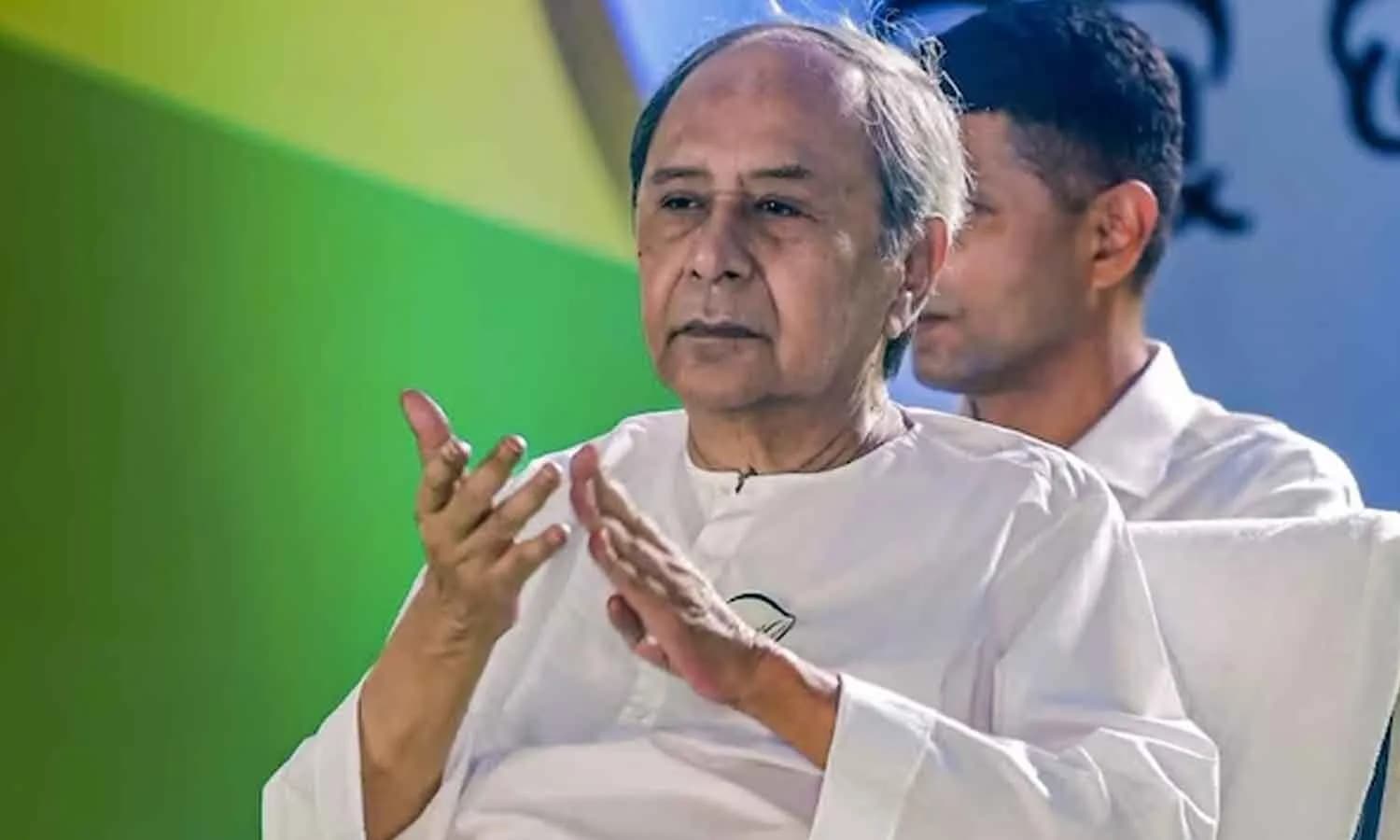
A fresh political confrontation is taking shape in Odisha over mining policy, revenue sharing and the rights of the state government. Former Chief Minister and Biju Janata Dal leader Naveen Patnaik has raised concerns over recent central policies, arguing that decisions affecting Odisha’s mineral resources should protect the state’s economic interests.
The issue has opened another front between the BJD and the BJP government in Odisha and could become an important subject of political debate in the state.
Naveen Patnaik Questions Centre’s Mining Approach
Naveen Patnaik has written to BJP Members of Parliament from Odisha, raising concerns over mining policies and their potential impact on the state.
Odisha is one of India’s major mineral-producing states, making mining revenue particularly important for its economy. Patnaik has argued that changes in policies governing mining leases and revenue sharing could affect the state’s financial interests.
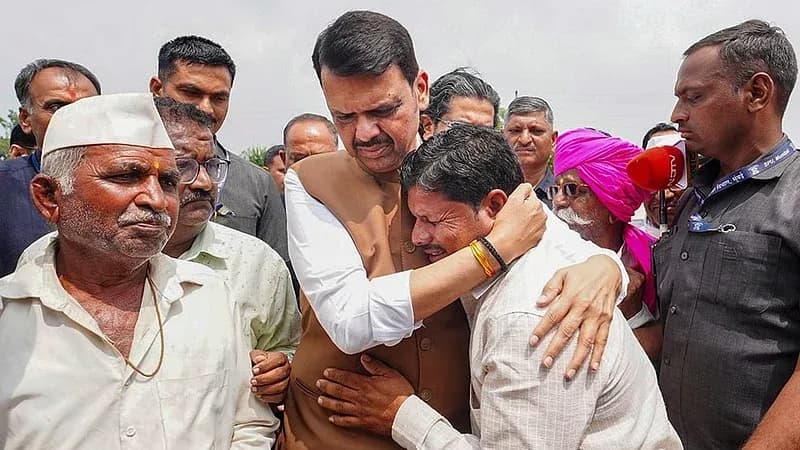
Maharashtra's decision to declare 265 talukas drought-affected has triggered questions from both ruling alliance leaders and the Opposition. While some areas represented by Mahayuti leaders have been excluded, the MVA has questioned the transparency of the assessment process.
The former Chief Minister’s intervention has brought Odisha Politics into renewed focus as the BJD seeks to challenge the BJP government on issues related to state rights and economic policy.
BJP Government Faces Fresh Opposition Attack
The BJP government in Odisha is now facing questions from the opposition over how the state’s mineral resources are being managed.
The issue is not only about mining. It has also developed into a broader debate over federalism and the balance of power between the Centre and states.
For the BJP, the challenge will be to explain how its policies can benefit Odisha while addressing concerns over revenue sharing and state interests.
BJD Seeks to Strengthen Opposition Role
The Biju Janata Dal remains a major political force in Odisha despite losing power to the BJP in the previous Assembly election.
Naveen Patnaik has continued to raise issues concerning the state government and the Centre, giving the BJD an opportunity to position itself as a defender of Odisha’s interests.
The mining dispute could therefore become another important part of the ongoing Political War between the BJP and BJD.
Mining and Odisha’s Economy
Mining plays a major role in Odisha’s economy, with the state possessing substantial reserves of minerals such as iron ore, coal and bauxite.
Revenue from the sector supports government finances and contributes to infrastructure and development activities.
Any changes to mining policy can therefore have consequences beyond the industry itself. Questions surrounding employment, local development, environmental protection and state revenue can all become part of the political discussion.
The latest controversy is likely to force major Political Parties in Odisha to clarify their positions on mining and federalism.
The BJD is expected to continue questioning the BJP’s policies, while the ruling party is likely to defend its approach and highlight development and investment opportunities.
The debate could also involve local communities and organisations that depend on mining-related economic activity.
Youth Employment Could Become a Key Issue
Mining policy is closely connected to employment opportunities in several parts of Odisha.
Young people in mining districts often depend on industrial projects and related businesses for employment. Any changes in investment, mining operations or government policy could therefore influence their economic prospects.
This gives the issue a connection with Youth Politics, particularly as political parties attempt to attract younger voters by promising employment and development.
The Odisha mining dispute has also revived questions about the relationship between state governments and the Centre.
Naveen Patnaik’s criticism reflects a broader argument that states should have a stronger voice in decisions involving their natural resources and economic interests.
For the BJP government, the issue provides an opportunity to explain how central policies can support Odisha’s development while maintaining coordination between the Centre and state.
What Happens Next?
The mining and federalism debate is likely to continue as the BJD and BJP prepare for further political battles in Odisha.
Naveen Patnaik’s intervention has ensured that the issue remains part of the political conversation, while the BJP government will face pressure to respond to concerns over state revenue and resource management.
The dispute could also become significant in future electoral campaigns, particularly if opposition parties connect mining policy with employment, development and regional rights.
As the debate continues, Odisha’s mineral resources are likely to remain both an economic priority and a major political issue.
Indian Rajniti will continue to track the latest developments in Odisha Politics, Political War, Political Parties and Youth Politics, along with major political developments across different states of India.
“A fresh political confrontation has emerged in Odisha over mining policy, revenue sharing and the balance between state and central powers. Former Chief Minister Naveen Patnaik has questioned the BJP’s approach, bringing federalism and Odisha’s economic interests into the centre of the political debate.”
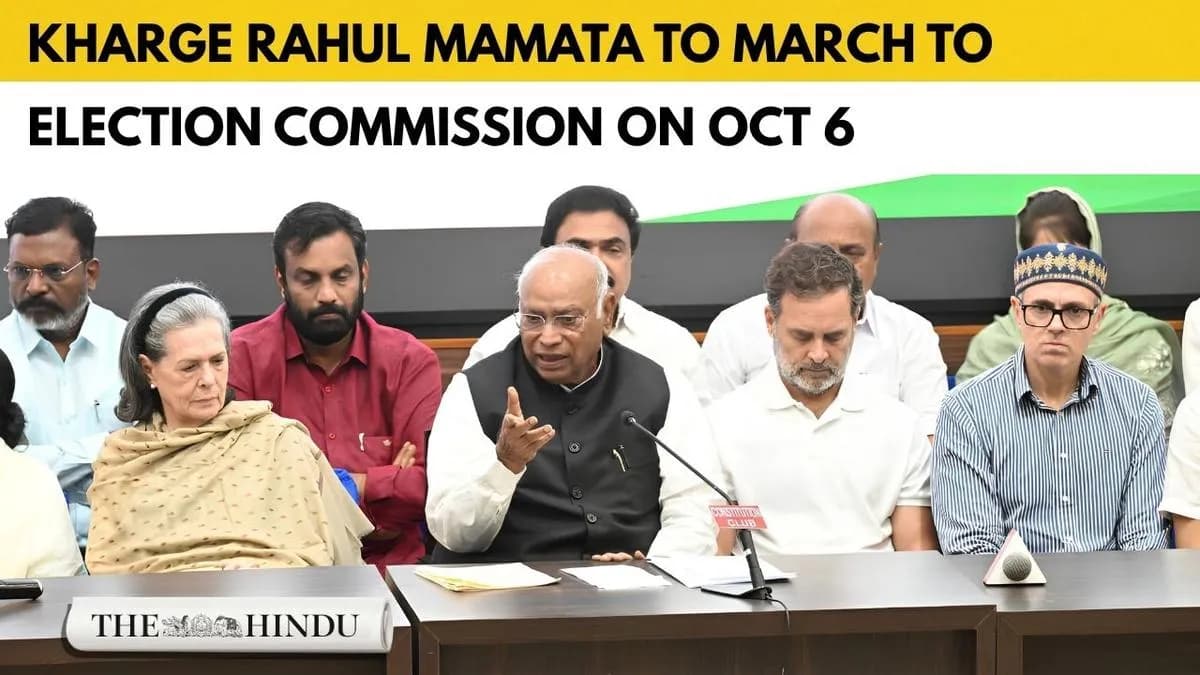
The INDIA bloc has announced a nationwide campaign over concerns related to the Election Commission and electoral processes. The Opposition plans protests, a march to the Election Commission headquarters, and a legal challenge to provisions of the Chief Election Commissioner Act, 2023.
Discussions between Chief Minister C. Joseph Vijay's Tamilaga Vettri Kazhagam (TVK) and the Pattali Makkal Katchi (PMK) have intensified, with reports suggesting alliance talks and possible Cabinet representation. However, no official announcement has been made by either party.
With the Uttar Pradesh Assembly election approaching in 2027, the Samajwadi Party and Congress are working to strengthen their alliance after their improved performance in the 2024 Lok Sabha elections. Political observers believe the opposition has an important opportunity, but unity and effective seat-sharing will be crucial.