Uttar Pradesh Politics Heats Up as Yogi Adityanath Targets 115 Key Seats Ahead of 2027 Assembly Polls • Rajasthan Civic Polls 2026: Voting Begins as BJP Faces Rebel Challenge • Yogi Adityanath Targets 2027 UP Elections, Says BJP Will Return With a Grand Majority
Punjab Politics: Government-Farmer Tensions Ease After Written Assurances on Water and Agriculture Issues
Haripriya 8 Sept 2026 4 min read 63 views
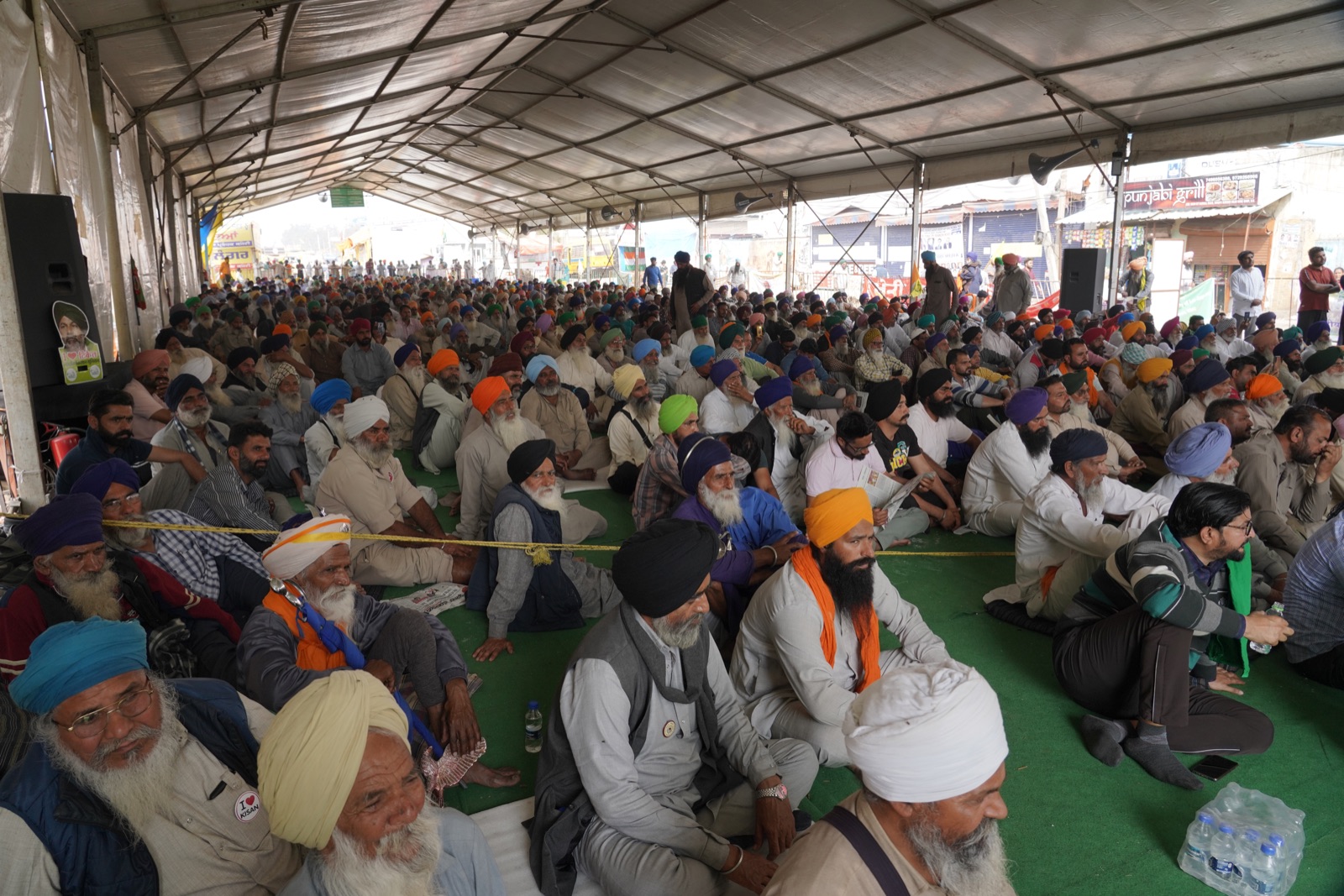
Punjab has witnessed an important political development after farmers ended their week-long protest following written assurances from the state government.
The agitation had brought several major issues to the forefront, including interstate river-water agreements, the Punjab Reorganisation Act, farmers' loans, seed legislation, sugarcane payments and the Dam Safety Act. The government's response has now created an opportunity for negotiations, although several issues remain unresolved.
Farmers Withdraw Protest After Government Assurances
Farmers ended their protest at the Chandigarh-Mohali borders after receiving written commitments from the Punjab government.
Among the most significant assurances was the government's decision to convene a special session of the Punjab Assembly within a month to discuss interstate water agreements.
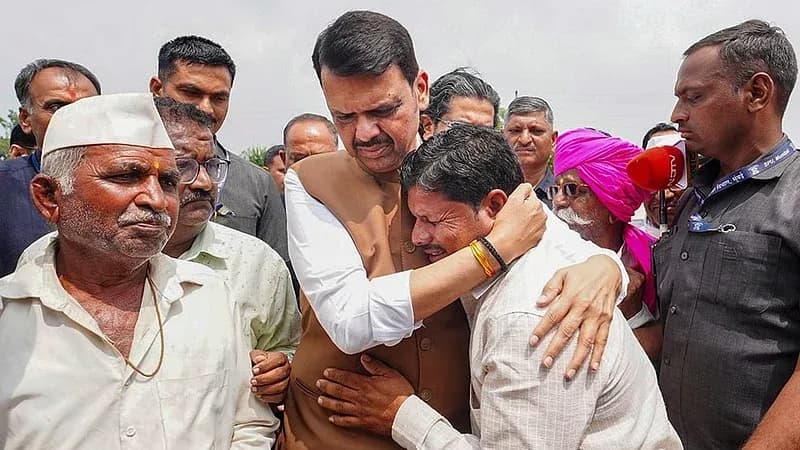
Maharashtra's decision to declare 265 talukas drought-affected has triggered questions from both ruling alliance leaders and the Opposition. While some areas represented by Mahayuti leaders have been excluded, the MVA has questioned the transparency of the assessment process.
The issue has remained politically sensitive in Punjab for decades because water-sharing arrangements directly affect agriculture and the state's wider relationship with neighbouring states.
Water-Sharing Issue Returns to Centre Stage
The proposed Assembly session could become an important moment in Punjab Politics.
The state government plans to discuss long-standing interstate water agreements and pass resolutions seeking changes to existing arrangements.
The government has also indicated that it will seek the repeal of Sections 78, 79 and 80 of the Punjab Reorganisation Act, 1966, provisions connected with the distribution and management of river waters.
Punjab's farmers have long argued that the state's water resources are crucial to protecting its agricultural economy.
Farmers' Other Demands
The protest was not limited to water issues.
Farmers also raised concerns involving:
Agricultural loans
Seed legislation
Sugarcane payments
Dam safety
Interstate water agreements
Provisions of the Punjab Reorganisation Act
The government's written assurances have temporarily defused the situation, but farmers will be watching closely to see whether the commitments are actually implemented.
AAP Government Faces Political Test
Chief Minister Bhagwant Mann's AAP government now faces the challenge of converting its assurances into concrete action.
The government has attempted to portray the negotiations as a way to address farmers' concerns through institutional mechanisms, particularly the state Assembly.
However, opposition parties could use any delay in implementation to attack the government.
The controversy also comes at a politically sensitive time, with several policy decisions of the Mann government facing scrutiny and Punjab's political environment becoming increasingly competitive.
Government Employees' Dispute Adds Pressure
The farmer issue is not the only challenge facing the Punjab government.
The state is also facing a separate dispute with government employees over pending Dearness Allowance (DA) and arrears.
The Punjab government has described a proposed mass leave action by employees as illegal and warned that action could be taken if public services are disrupted.
The simultaneous disputes involving farmers and government employees could put additional pressure on the administration.
Opposition Gets an Opportunity
The latest developments provide Punjab's opposition parties with another opportunity to question the AAP government's handling of agriculture, finances and relations with employee organisations.
The Congress and BJP can be expected to monitor whether the government follows through on its written commitments.
For the AAP, maintaining communication with farmers will be particularly important because agricultural issues have historically played a major role in Punjab's electoral politics (opens in a new tab).
Why This Matters for Punjab
The water dispute is bigger than a single protest.
Punjab's economy remains closely connected to agriculture, while groundwater depletion and river-water distribution are long-term concerns.
Any government decision relating to interstate water-sharing therefore carries political, economic and environmental consequences.
The proposed Assembly session could give Punjab lawmakers an opportunity to debate these questions publicly and establish the state's position on future water policy.
What to Watch
The key developments ahead include:
Date and agenda of the proposed special Assembly session
Government action on interstate water agreements
Implementation of assurances given to farmers
Response from farmer organisations
Progress on sugarcane payments and agricultural loans
The DA dispute with government employees
Opposition response to the government's commitments
Conclusion
Punjab's latest farmer-government confrontation has ended with negotiations rather than prolonged street protests.
The government's written assurances have temporarily eased tensions, particularly after its commitment to convene a special Assembly session on interstate water agreements.
But the political test is far from over. The AAP government will now have to demonstrate that its promises translate into actual policy decisions.
For Punjab's Political Parties (opens in a new tab), the farmer issue, water-sharing debate and employee disputes could remain important subjects as the state's political competition develops.
“Punjab politics has taken a new turn after farmers called off a week-long protest following written assurances from the state government. The government agreed to convene a special Assembly session on interstate water agreements and address several agricultural demands, temporarily reducing tensions between farmers and the AAP administration.”
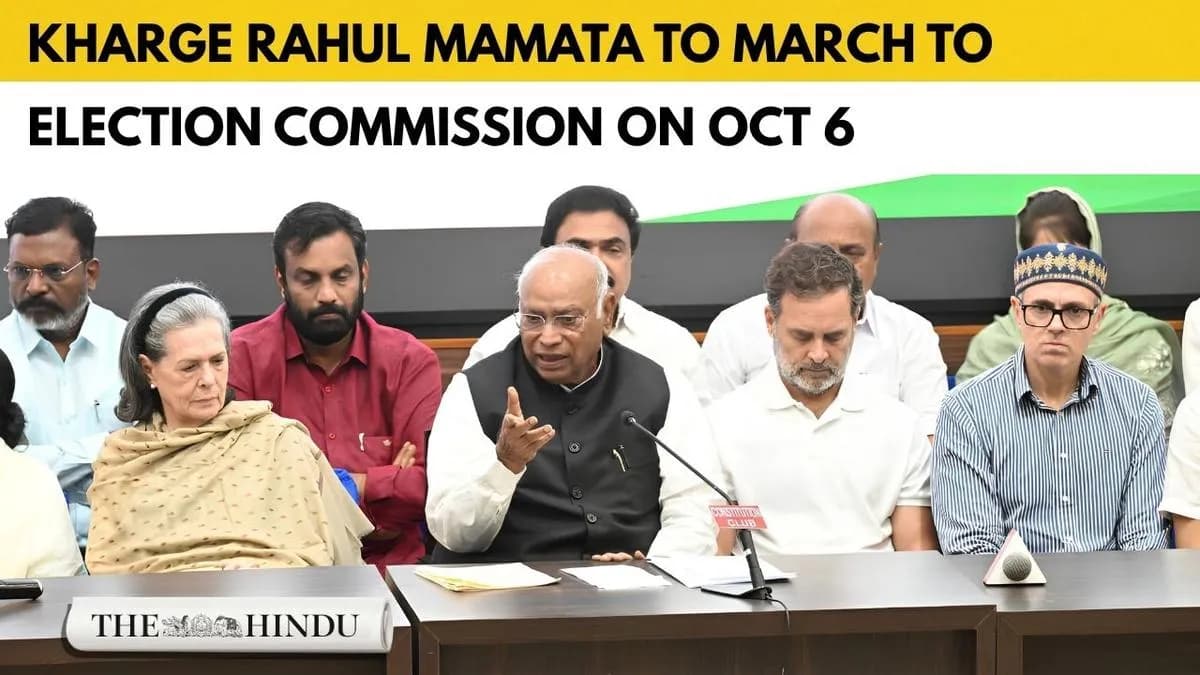
The INDIA bloc has announced a nationwide campaign over concerns related to the Election Commission and electoral processes. The Opposition plans protests, a march to the Election Commission headquarters, and a legal challenge to provisions of the Chief Election Commissioner Act, 2023.
Discussions between Chief Minister C. Joseph Vijay's Tamilaga Vettri Kazhagam (TVK) and the Pattali Makkal Katchi (PMK) have intensified, with reports suggesting alliance talks and possible Cabinet representation. However, no official announcement has been made by either party.
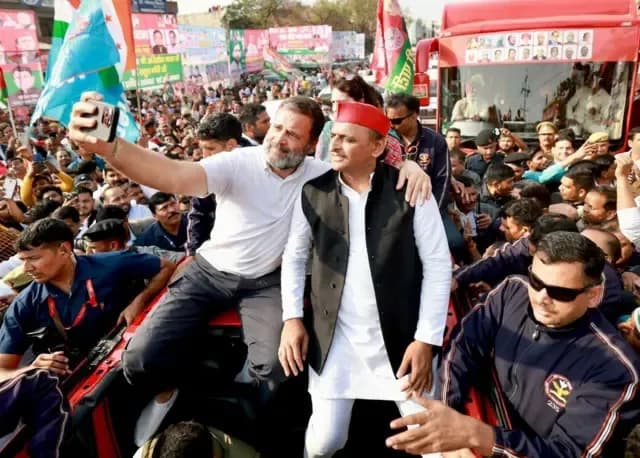
With the Uttar Pradesh Assembly election approaching in 2027, the Samajwadi Party and Congress are working to strengthen their alliance after their improved performance in the 2024 Lok Sabha elections. Political observers believe the opposition has an important opportunity, but unity and effective seat-sharing will be crucial.