Rahul Gandhi and the Changing Role of the Opposition in Indian
BREAKING
UP MLC Election Results 2026: BJP and Samajwadi Party Win Key Seats as Counting Continues • Karnataka MLC Polls 2026: BJP-JD(S) Alliance Secures All Four Seats • Bihar MLC Elections 2026: Jan Suraaj Wins Darbhanga Graduate Seat as Results Emerge • Congress and BJP Step Up Political Campaigns Ahead of 2027 Assembly Elections • Rajya Sabha Secretariat Seeks Report on John Brittas’ Alleged Assault During Protest
Rahul Gandhi and the Changing Role of the Opposition in Indian Politics
Haripriya 31 Aug 2026 3 min read 544 views
Rahul Gandhi has remained one of the prominent figures in Indian politics and an important leader of the Indian National Congress. Over the years, his political role has evolved as the Congress has sought to strengthen its position as a national opposition party.
As a senior Congress leader, Gandhi has frequently focused on issues concerning employment, economic opportunity, farmers, social welfare, education, and the functioning of public institutions. His political approach has often involved challenging government policies and presenting alternative positions on issues of national importance.
The role of the opposition is an essential part of a parliamentary democracy. Opposition parties are responsible for examining government policies, raising questions about their implementation, and presenting alternative ideas to voters. Gandhi's political activities have increasingly focused on this aspect of parliamentary politics.
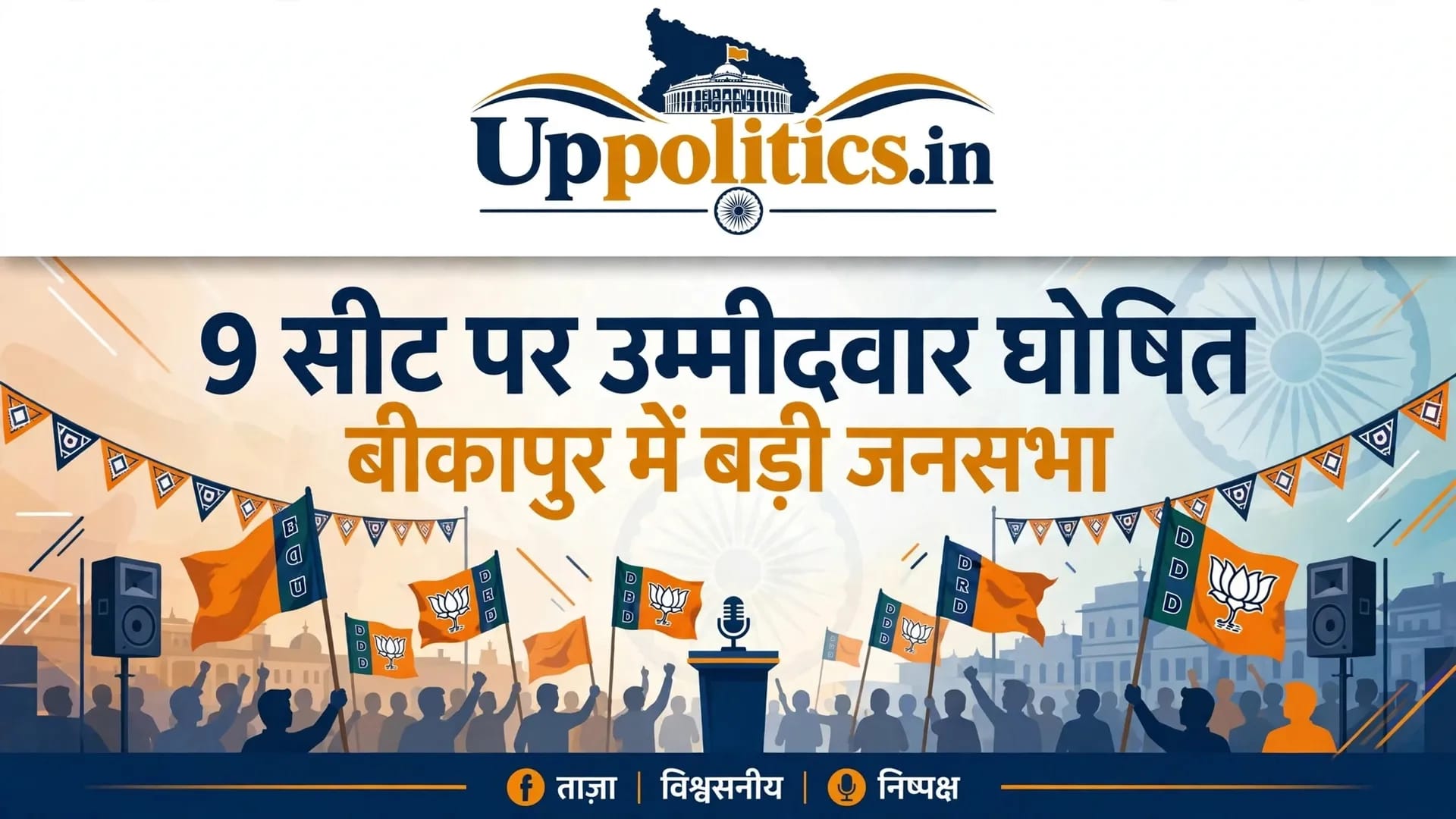
बीकापुर में बड़ी जनसभा, मायावती को पांचवीं बार मुख्यमंत्री बनाने का दावा, बाकी पार्टियों से आगे निकली बसपा
Employment remains one of the major issues discussed by opposition parties. India's large young population creates a continuing demand for better employment opportunities, skills development, entrepreneurship, and economic growth. Political leaders frequently debate how government policies can create sustainable opportunities for young people.
Economic issues have also remained an important part of political discussions. Questions concerning inflation, income levels, small businesses, investment, and economic inequality often influence public debate. The government highlights economic growth and development initiatives, while opposition leaders examine their impact on ordinary citizens.
Agriculture and rural development are another significant area of political discussion. Farmers' incomes, irrigation, access to markets, rural infrastructure, and agricultural policies can have a direct impact on communities across the country. Opposition parties often use these issues to question government decisions and advocate for policy changes.
Gandhi has also placed emphasis on social and institutional issues. His political messaging has included discussions about democratic institutions, representation, constitutional values, and the relationship between citizens and government. These subjects have contributed to wider debates about the future direction of Indian democracy.
Digital communication has transformed political campaigning and public engagement. Like other major political leaders, Gandhi uses social media and public events to communicate directly with citizens. Political communication through digital platforms allows leaders to reach large audiences quickly while also creating opportunities for greater public interaction.
The Congress faces the challenge of strengthening its organisation and expanding its political influence across different states. India's political environment varies considerably from one region to another, meaning that national political messaging often needs to be combined with local issues and regional leadership.
The relationship between national and regional politics is particularly important in elections. Regional parties have considerable influence in several states and can play an important role in broader political alliances. Building cooperation among opposition parties while maintaining individual party identities can therefore be a complex political task.
For Rahul Gandhi and the Congress, the future political challenge will involve presenting a clear policy vision, strengthening grassroots organisation, connecting with younger voters, and addressing the concerns of diverse communities.
Indian democracy depends on competition between different political ideas and leaderships. A strong opposition can contribute to accountability by questioning government decisions and bringing alternative perspectives into public discussion.
As India's political landscape continues to evolve, Rahul Gandhi's role in opposition politics will remain an important subject of political debate. His ability to build public support, strengthen the Congress organisation, and present an alternative political vision will be closely watched in the years ahead.
“Rahul Gandhi has emerged as a prominent opposition leader in Indian politics, with his political activities focusing on governance, employment, economic issues, social welfare, and accountability.”




Join the discussion
Comments (0)