UP MLC Election Results 2026: BJP and Samajwadi Party Win Key Seats as Counting Continues • Karnataka MLC Polls 2026: BJP-JD(S) Alliance Secures All Four Seats • Bihar MLC Elections 2026: Jan Suraaj Wins Darbhanga Graduate Seat as Results Emerge • Congress and BJP Step Up Political Campaigns Ahead of 2027 Assembly Elections • Rajya Sabha Secretariat Seeks Report on John Brittas’ Alleged Assault During Protest
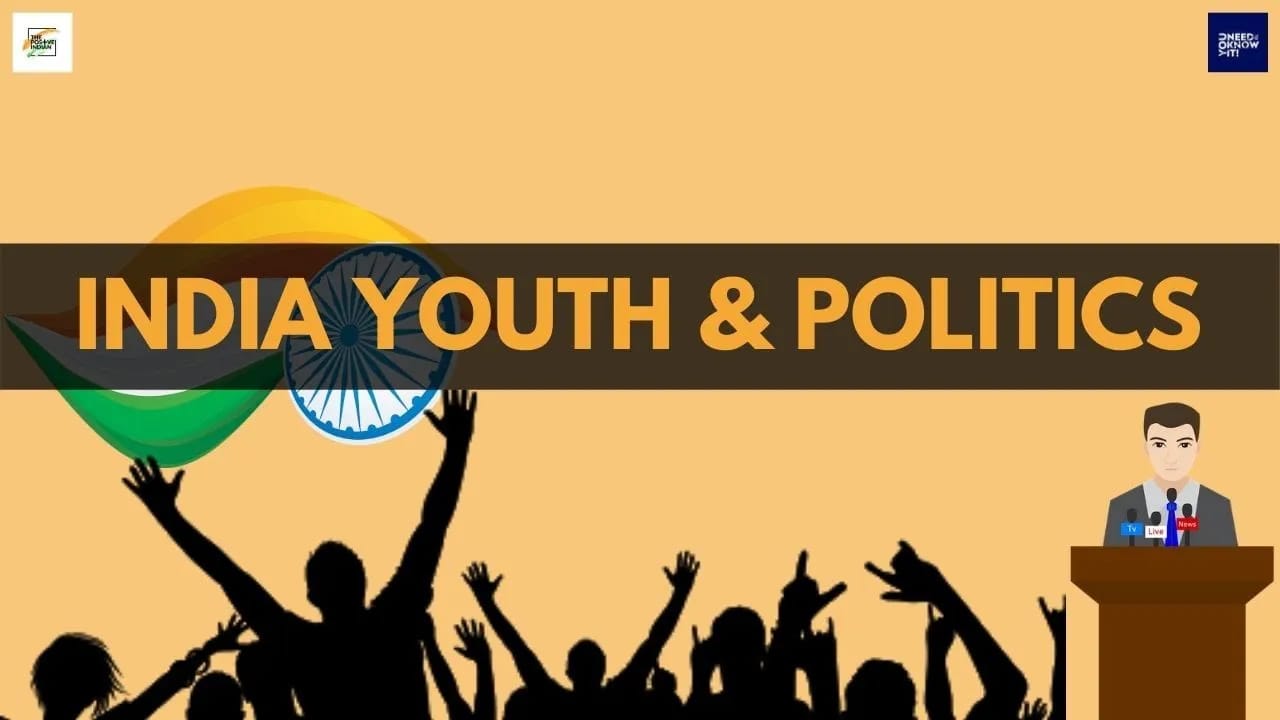
India’s youth population has become an increasingly important force in the country’s political landscape. With millions of young citizens participating in elections, public discussions, and digital political conversations, youth priorities are influencing how political parties develop their campaigns, policies, and communication strategies.
For younger voters, employment and economic opportunities remain among the most important political concerns. The expansion of the digital economy, startup ecosystem, technology sector, and skilled employment has created new opportunities, while also increasing expectations for better career prospects and professional growth.
Education and skill development are equally significant. Young citizens increasingly look beyond traditional educational qualifications and seek practical skills, professional training, and opportunities that can improve their employability. As a result, government policies concerning higher education, vocational training, entrepreneurship, and digital learning have become important areas of political discussion.
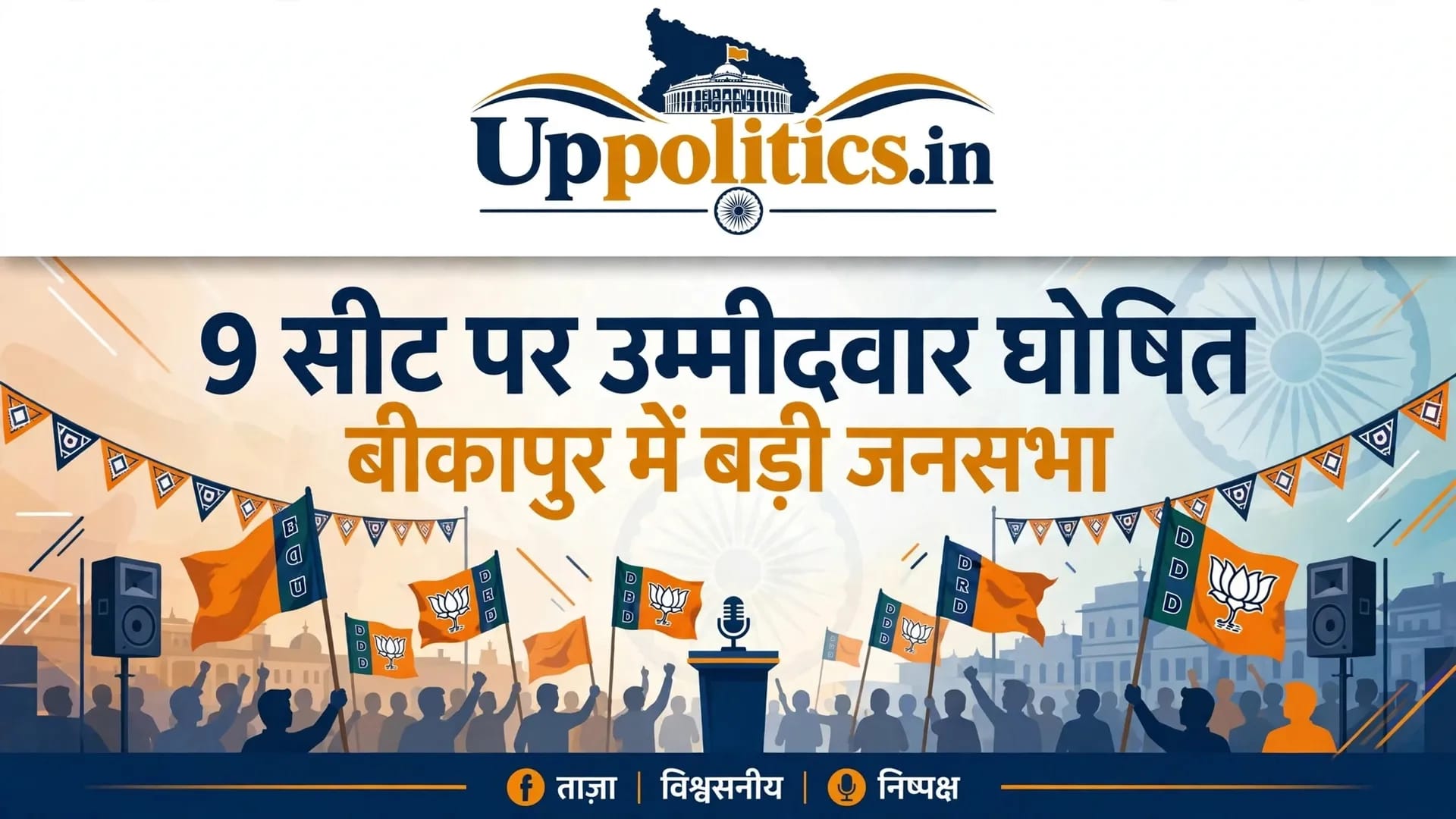
बीकापुर में बड़ी जनसभा, मायावती को पांचवीं बार मुख्यमंत्री बनाने का दावा, बाकी पार्टियों से आगे निकली बसपा
Digital Politics and Young Voters
The rise of social media has fundamentally changed the relationship between young voters and political parties. Platforms such as social networks, video-sharing services, and online news portals allow political messages to reach large audiences almost instantly.
Political leaders can communicate directly with young citizens without relying entirely on traditional media. At the same time, young voters can respond to political statements, discuss policies, and participate in public debates.
However, digital politics also presents challenges. Misinformation, misleading content, edited videos, and politically biased information can spread rapidly online. Developing strong digital and media literacy is therefore essential for responsible political participation.
Youth Participation Beyond Elections
Youth involvement in politics is not limited to voting. Young citizens increasingly participate in student organisations, community initiatives, political campaigns, public-interest movements, and online discussions.
Greater participation can bring new perspectives into political decision-making. Issues such as climate change, technology, innovation, education, employment, and entrepreneurship are increasingly becoming part of mainstream political conversations.
Political parties that successfully engage young citizens are likely to benefit from understanding these changing expectations. However, meaningful engagement requires policies and measurable results rather than simply using youth-oriented campaign messaging.
The Future of Youth Politics in India (opens in a new tab)
The political influence of young Indians is likely to increase as more members of the younger generation enter the electorate and participate in public institutions. Their expectations could influence debates around economic growth, technological development, education, employment, governance, and social policy.
The future of Indian politics will therefore depend partly on how effectively political institutions respond to the aspirations of younger citizens. An informed, active, and critically engaged youth population can strengthen democratic participation and contribute to a more responsive political system.
Conclusion
Youth are no longer simply an emerging demographic in Indian politics; they are becoming an important part of its present political reality. Their expectations regarding jobs, education, technology, economic opportunity, and governance are influencing political priorities across the country.
As India's young population becomes more politically active, its choices, participation, and expectations will play an increasingly important role in shaping the country's democratic and political future.
“India’s young population is becoming an increasingly influential force in electoral politics. Young voters are placing greater emphasis on employment, education, entrepreneurship, technology, and economic opportunities. Political parties are adapting their campaigns and policies to engage this digitally connected and politically aware generation.”



Join the discussion
Comments (0)