Understanding Indian Politics: The Role of Democracy and
BREAKING
UP MLC Election Results 2026: BJP and Samajwadi Party Win Key Seats as Counting Continues • Karnataka MLC Polls 2026: BJP-JD(S) Alliance Secures All Four Seats • Bihar MLC Elections 2026: Jan Suraaj Wins Darbhanga Graduate Seat as Results Emerge • Congress and BJP Step Up Political Campaigns Ahead of 2027 Assembly Elections • Rajya Sabha Secretariat Seeks Report on John Brittas’ Alleged Assault During Protest
Indian politics is one of the most diverse political systems in the world. India's democratic structure is based on the Constitution of India, regular elections, representative institutions, fundamental rights, and an independent judiciary. Since becoming a republic in 1950, India has developed a parliamentary democratic system in which citizens elect representatives to govern at the national, state, and local levels.
The Constitution of India provides the foundation for the country's political system. It establishes the powers and responsibilities of different institutions and guarantees important rights to citizens. The Constitution also establishes the principles of federalism, separation of powers, equality before the law, and democratic representation.
Political parties play a major role in Indian democracy. They connect citizens with government institutions and provide voters with different political choices. India has both national and regional political parties, each representing different political viewpoints, social groups, regional interests, and development priorities.
Political parties prepare election manifestos outlining their proposed policies and programmes. During election campaigns, parties communicate their priorities to voters through public meetings, speeches, debates, media campaigns, and digital platforms.
Competition between political parties allows citizens to compare different approaches to economic development, employment, education, healthcare, infrastructure, agriculture, welfare, and national security.
Elections and Voting
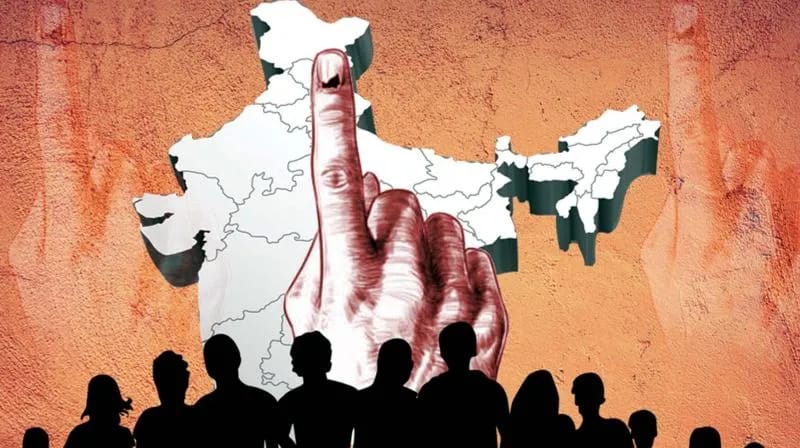
Elections are one of the most important elements of Indian politics. Citizens have the opportunity to choose their representatives through elections held at different levels of government.
At the national level, voters elect members of the Lok Sabha. State elections determine the composition of state legislative assemblies, while local elections are held for institutions such as municipalities and panchayats.
The Election Commission of India is responsible for administering elections and maintaining the integrity of the electoral process. Voter participation is an important measure of democratic engagement because elections provide citizens with a direct opportunity to influence political leadership.
Role of Parliament
The Indian Parliament is the central legislative institution of the country. It consists of the Lok Sabha and Rajya Sabha.
Parliament discusses proposed laws, debates national issues, examines government policies, and approves public expenditure. Members of Parliament can raise questions concerning government decisions and issues affecting citizens.
Parliamentary debates provide an important platform for representatives from different political parties to present their views. The government is expected to respond to questions and concerns raised by members.
“Indian politics is shaped by democratic institutions, political parties, elections, public opinion, and the participation of citizens.”
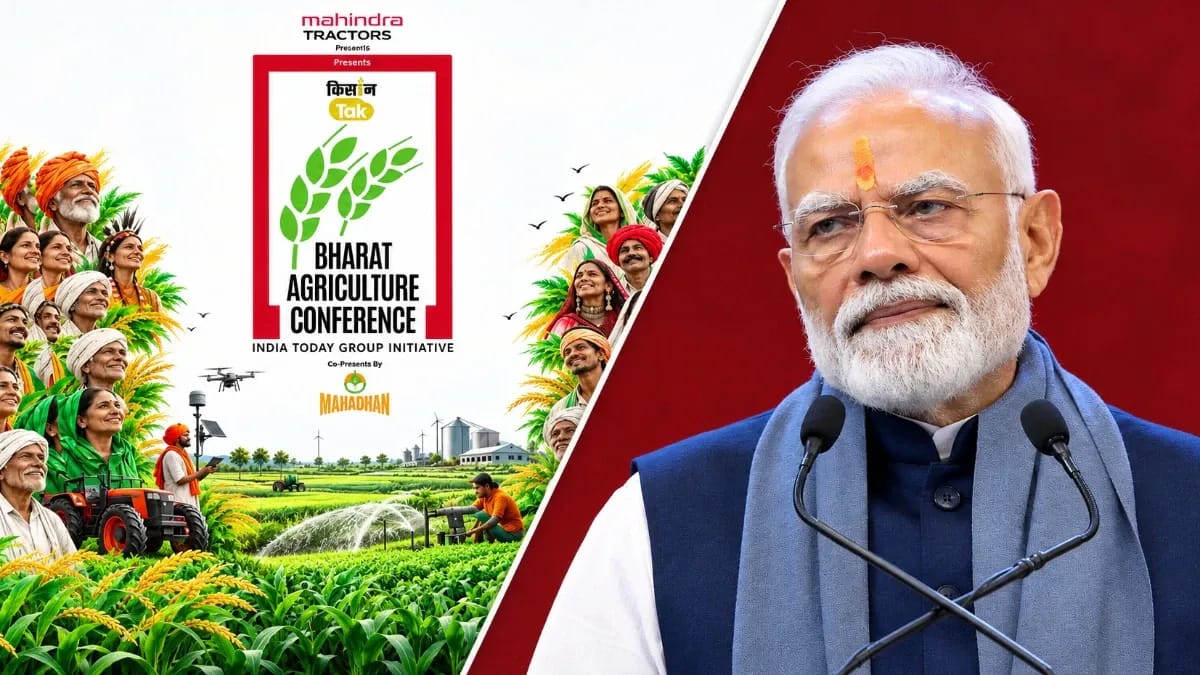
Prime Minister Narendra Modi's development agenda includes major infrastructure investments in Assam, highlighted by the ₹6,950-crore Kaziranga Elevated Corridor. He is also scheduled to deliver the plenary address at the India Today Group's Kisan Tak Bharat Agriculture Conference 2026 in New Delhi, focusing on farmers, agricultural innovation and India's vision of Viksit Bharat.
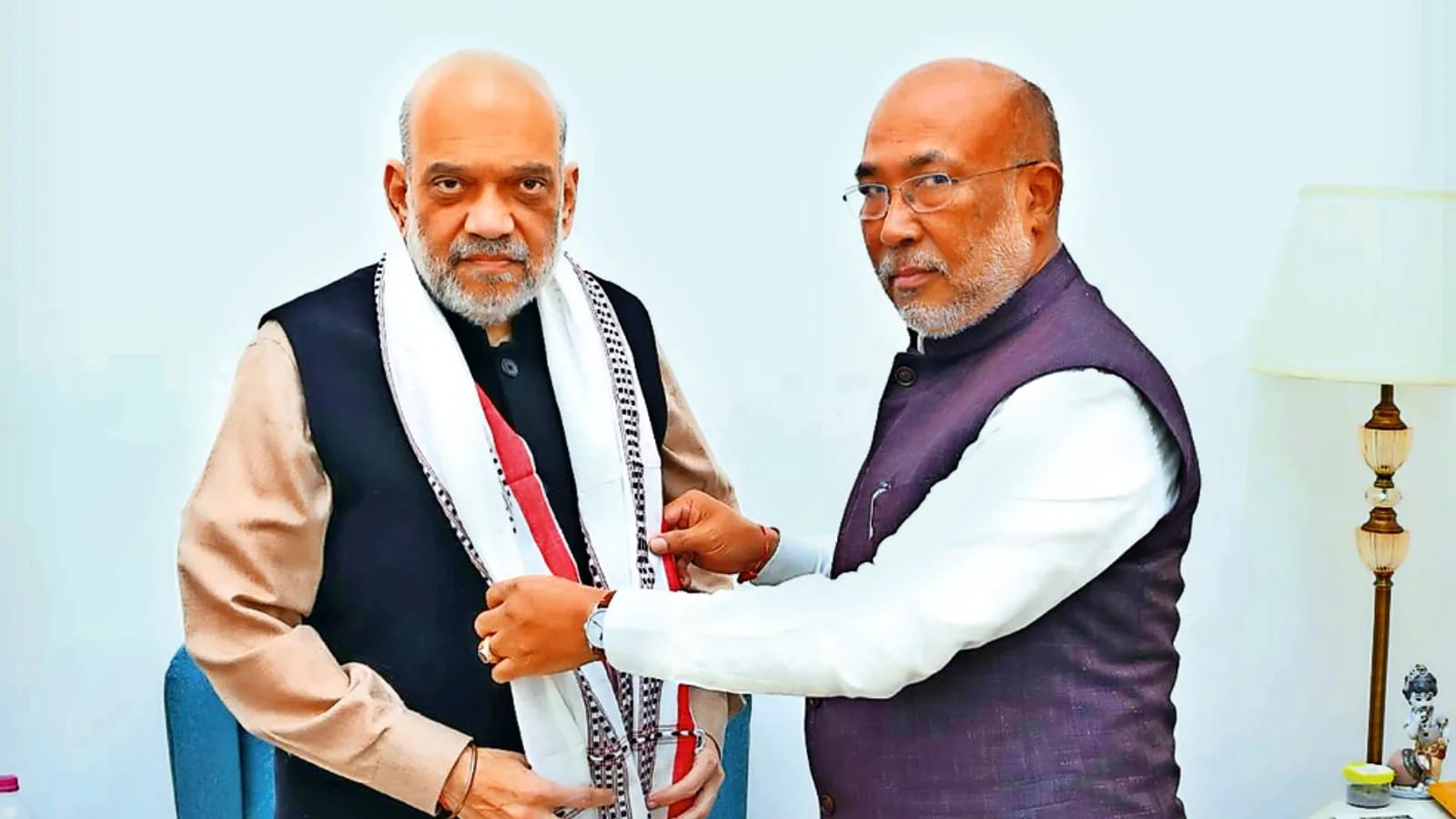
Union Home Minister Amit Shah has held discussions with former Manipur Chief Minister N. Biren Singh regarding the restoration of an elected government in the violence-affected state. The political consultations come amid continuing ethnic tensions between Meitei and Kuki-Zo communities, security challenges and investigations into cases linked to the prolonged conflict.
By Haripriya • 13 views
Sonia Gandhi Memoir
Kangana Ranaut Targets Sonia Gandhi Over Gandhi Family Deaths: Farmers' Remarks, Airport Controversy and Questions Over Political Responsibility
Join the discussion
Comments (0)