
ASSAM NSA CONTROVERSY ERUPTS! Gauhati High Court Quashes Pranab Doley’s Detention, Raises Questions Over Government Powers
Introduction
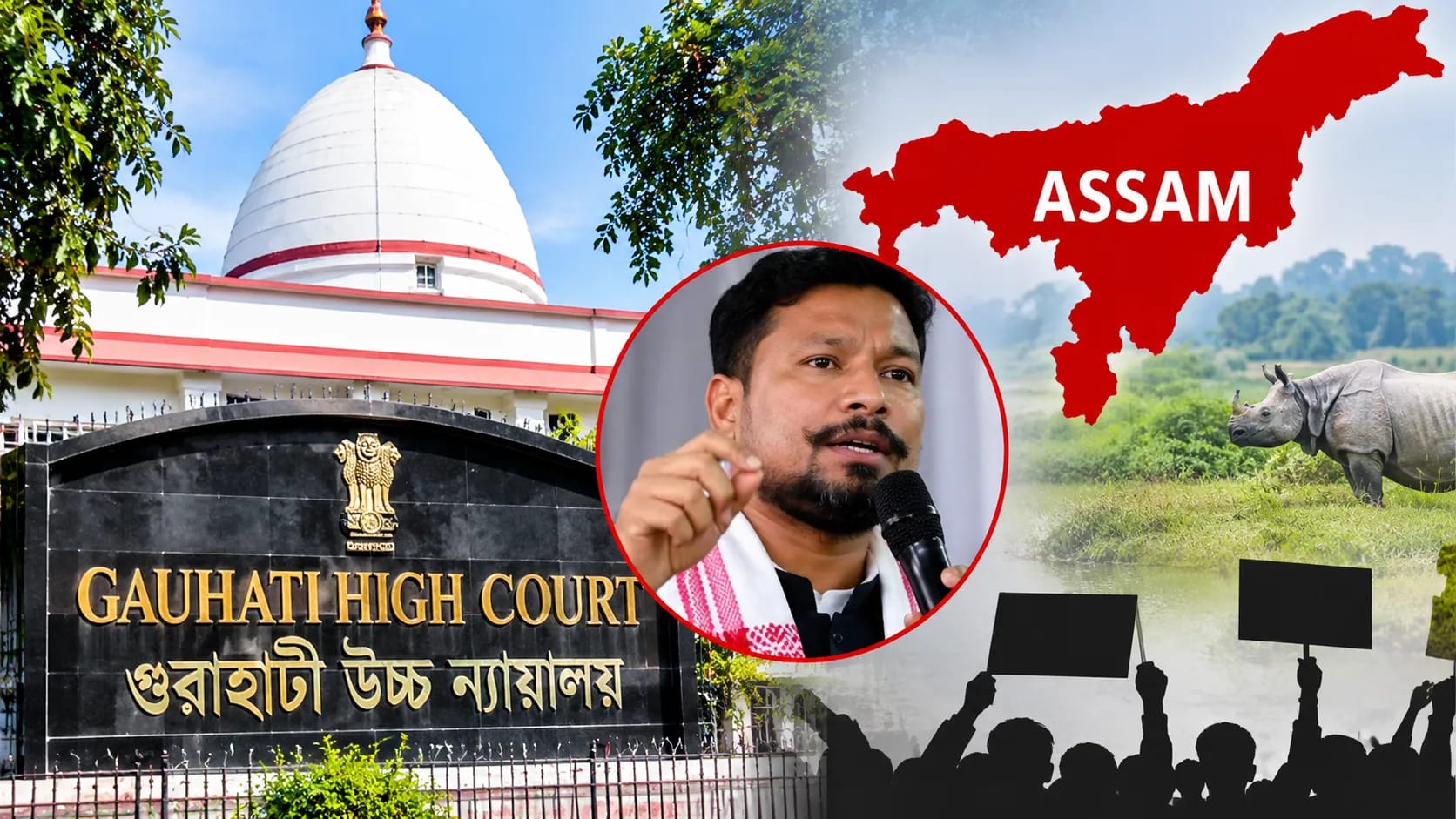
A significant judicial development in Assam has brought the state government's use of preventive detention powers under renewed scrutiny. The Gauhati High Court has quashed the detention of indigenous and land rights activist Pranab Doley under the National Security Act (NSA), setting aside the government's detention order and directing his immediate release from preventive custody.
The November 6 judgment has become an important development in the debate surrounding civil liberties, indigenous rights and the limits of executive authority.
How Did the Controversy Begin?
Pranab Doley, associated with the Greater Kaziranga Land and Human Rights Protection Committee, was arrested in July 2026 following protests against a proposed luxury hotel project near Kaziranga National Park.
The protests were connected to concerns raised by sections of indigenous communities regarding land rights, local livelihoods and the potential implications of the proposed development.
A sessions court granted Doley bail on July 29. However, the Assam government subsequently invoked the National Security Act on July 30, preventing his release.
The detention became a legal issue after Doley challenged the government's decision before the Gauhati High Court.
Why Did the High Court Intervene?
The division bench comprising Justice Kalyan Rai Surana and Justice Susmita Phukan Khaund examined the circumstances surrounding the preventive detention.
In its detailed judgment, the court identified four significant concerns:
Reliance on criminal cases that were considered stale.
Failure to provide relevant documents to the detained person.
Non-disposal of a subsequent representation challenging the detention.
Reliance on old foreign travel and foreign remittance-related material without adequately establishing its relevance.
Political Implications for Assam
The judgment places the spotlight on the relationship between state security powers and constitutional protections.
For the opposition, the development provides an opportunity to question the government's approach towards protest movements and indigenous rights.
For the ruling administration, the case highlights the importance of ensuring that preventive detention orders comply with legal and constitutional safeguards.
What Happens Next?
The immediate consequence is the court-directed release of Pranab Doley from preventive detention.
The larger political debate is likely to continue around development projects near ecologically sensitive areas, indigenous land concerns and the use of preventive detention.
Conclusion
The Pranab Doley case has become more than a legal dispute. It has reopened a wider discussion about governance, environmental concerns, indigenous rights and constitutional accountability in Assam.
The central question remains: how can governments maintain public order while ensuring that constitutional freedoms and legal safeguards are respected?






Join the discussion
Comments (0)