
Bengal Voter List Battle Explodes! 37 Lakh SIR Appeals Pending as Supreme Court Pressure Mounts on Election Commission
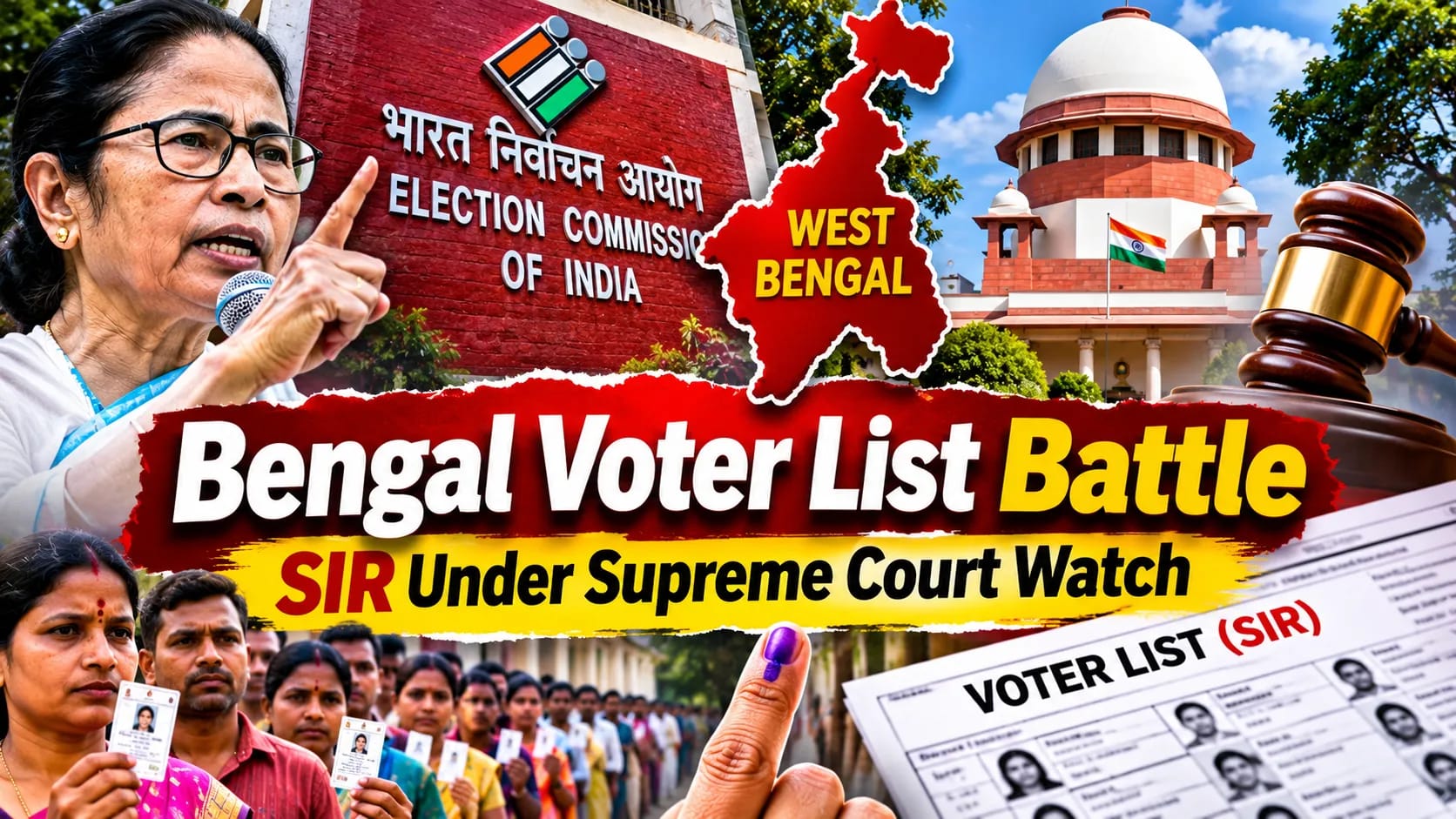
Bengal's Voter List Controversy Reaches Another Critical Stage
West Bengal's electoral politics is facing a major institutional challenge as the Special Intensive Revision (SIR) of electoral rolls continues to generate legal disputes and political confrontation.
The controversy is no longer limited to the preparation and publication of voter lists. It has expanded into questions concerning disputed voter entries, appeals against inclusion or exclusion, the functioning of appellate tribunals and the responsibility of election authorities to protect eligible voters.
A major development emerged in September 2026 when the Election Commission of India informed the Supreme Court that more than 37 lakh appeals concerning changes to West Bengal's electoral rolls remained pending before appellate tribunals.
37.18 Lakh Appeals Still Pending: What the Election Commission Told the Supreme Court
According to the Election Commission's affidavit reported on September 18, 2026, a total of 38,20,683 appeals had been filed against orders relating to the SIR exercise.
Of these, only 1,02,231 had been disposed of at the time of the affidavit.
That left 37,18,452 appeals pending.
The affidavit also showed that 34.13 lakh Form 6 applications had been filed between December 17, 2025, and August 7, 2026.
Form 6 is used to seek inclusion in the electoral roll, including by first-time applicants and eligible individuals seeking restoration of their names.
Supreme Court Intervention: Why the Hearing Process Matters
The Supreme Court has repeatedly intervened in the West Bengal SIR process to address concerns regarding the handling of disputed entries and the disposal of claims and objections.
The court's directions have focused on ensuring that the process is transparent and that eligible electors receive a meaningful opportunity to establish their eligibility.
One important set of directions required the Election Commission to make names falling under the categories of Logical Discrepancies and Unmapped publicly accessible at designated public locations.
Disputed Voter Entries: Why Logical Discrepancies Matter
One of the most sensitive aspects of the SIR controversy concerns entries classified under Logical Discrepancies and Unmapped categories.
These categories relate to cases where electoral records require further verification because of inconsistencies or difficulties in establishing the relevant historical linkage.
Being placed in such a category should not automatically be treated as proof that a person is ineligible to vote.
This is particularly important for people who may face difficulties because of:
Differences in spelling between older and newer records.
Changes in family details or personal information.
Migration and changes of residence.
Missing or incomplete historical documents.
Errors in digitisation or administrative records.
Why This Matters for West Bengal's Political Parties
The SIR controversy has become an important political issue because voter-list accuracy directly affects democratic participation.
Different political parties have raised concerns about the process, particularly regarding the possible exclusion of eligible voters.
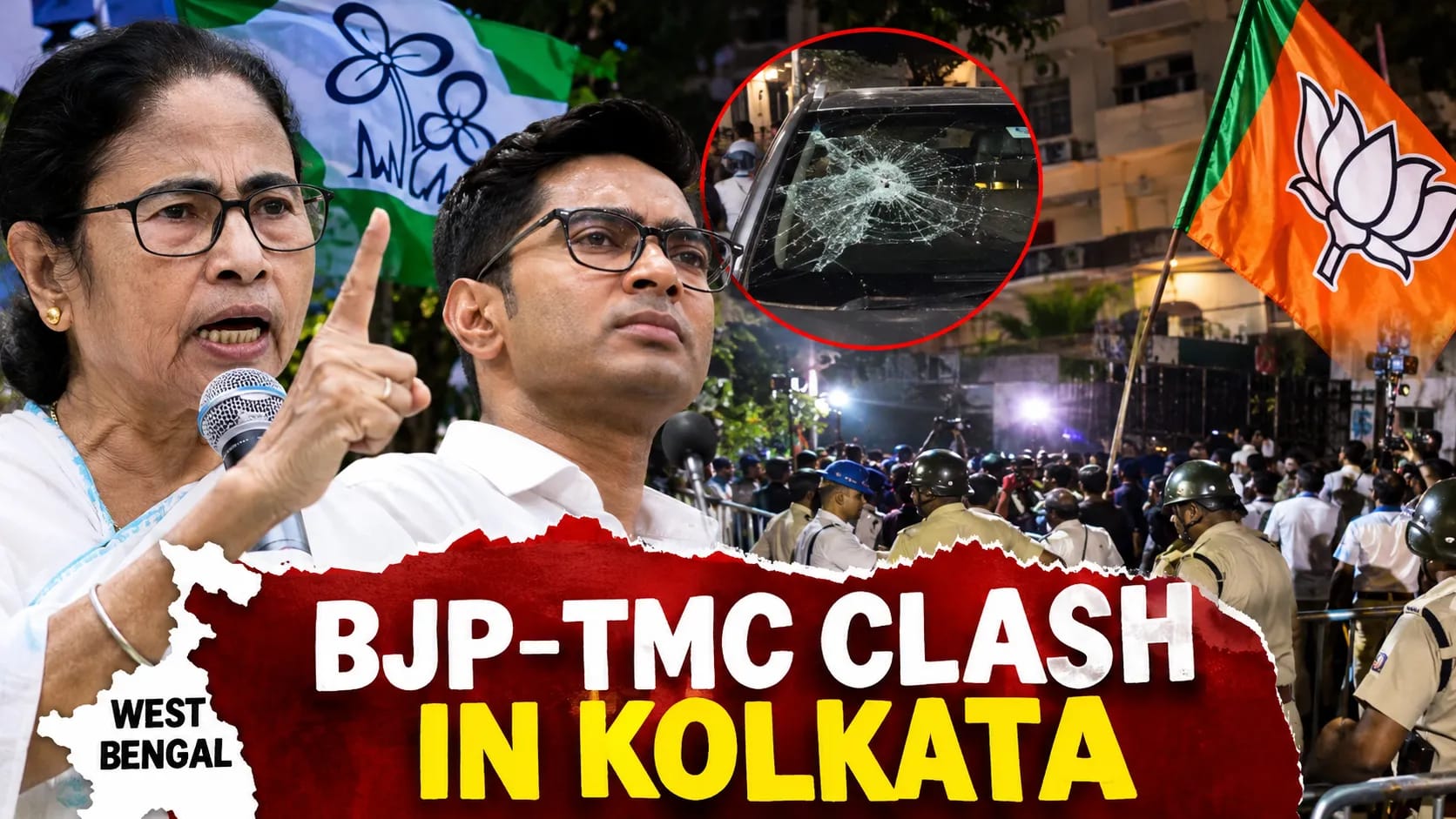
The dispute has implications for the TMC, BJP, Congress and other political organisations operating in West Bengal.
Trinamool Congress: The party has repeatedly raised concerns about the treatment of voters during the revision exercise and has challenged aspects of the process.
BJP: The party has defended the need for an accurate electoral roll and the removal of ineligible entries, while the wider dispute continues through legal and political channels.
Congress: The party has also pursued questions concerning electoral data, transparency and the treatment of voters through legal proceedings.
What Happens Next?
The most important developments to watch include:
Pending appeals: The progress made by appellate tribunals in resolving the large number of pending cases.
Transparency: Whether voters can easily access information about disputed entries and the status of their cases.
Judicial scrutiny: Further directions from the Supreme Court concerning the functioning of tribunals and the protection of electoral rights.
Administrative accountability: Whether the Election Commission and state administration ensure that hearing arrangements are accessible and properly staffed.
Electoral inclusion: Whether eligible voters whose names were excluded can obtain timely relief through the prescribed legal process.
Conclusion: Electoral Transparency Must Come Before Political Arguments
West Bengal's SIR controversy has developed into one of the state's most significant electoral and legal disputes.
The Election Commission has a responsibility to maintain accurate electoral rolls. At the same time, every eligible citizen must receive a fair opportunity to establish their right to be included.
The question facing Bengal is bigger than party politics: will every eligible voter get a fair hearing before their democratic voice is at stake?

Join the discussion
Comments (0)