How Parliament Shapes the Future of Indian Democracy | Indian Rajneeti
BREAKING
Uttar Pradesh Politics Heats Up as Yogi Adityanath Targets 115 Key Seats Ahead of 2027 Assembly Polls • Rajasthan Civic Polls 2026: Voting Begins as BJP Faces Rebel Challenge • Yogi Adityanath Targets 2027 UP Elections, Says BJP Will Return With a Grand Majority
How Parliament Shapes the Future of Indian Democracy
Haripriya 11 Sept 2026 3 min read 627 views
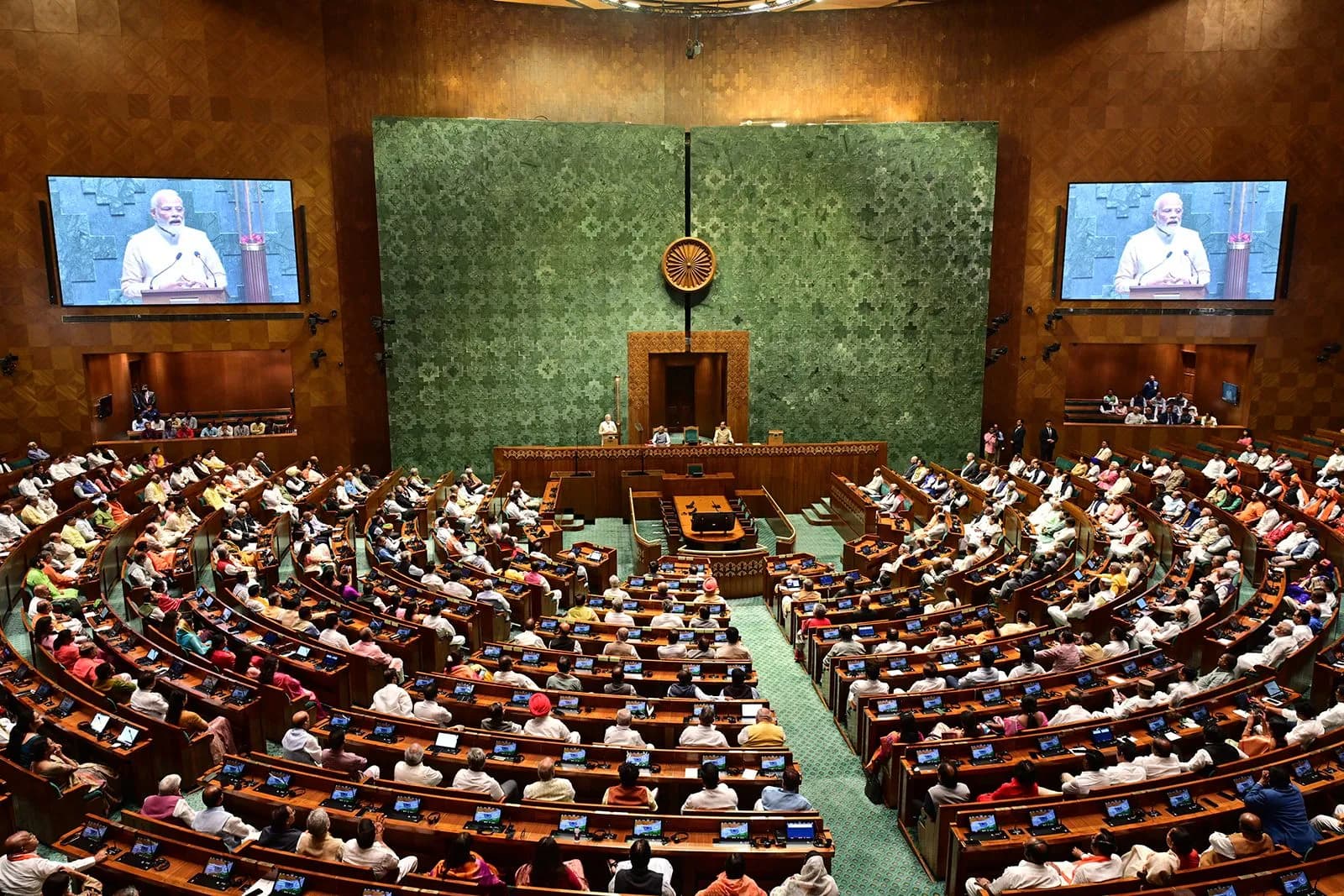
India's democracy is built on institutions that allow citizens to participate in governance through their elected representatives. At the centre of this system is Parliament, where representatives from across the country debate legislation, question the government and raise issues affecting citizens.
The Indian Parliament consists of two Houses — the Lok Sabha and the Rajya Sabha. Together, they provide a platform for representatives from different states, regions and political parties to participate in the national decision-making process.
The Role of Parliament in Democracy
Parliament performs several important functions. One of its primary responsibilities is making laws. Bills are introduced, discussed and debated before they can become laws. Parliamentary discussions allow members to examine proposed legislation and raise concerns about its possible impact.
The Lok Sabha (opens in a new tab) has a particularly important role because its members are directly elected by citizens. The composition of the Lok Sabha therefore reflects the electoral choices made by voters across India.
The Rajya Sabha provides representation to the states and union territories. Its members contribute to legislative debates while bringing regional perspectives into national policymaking.
Parliament and Government Accountability Rajya Sabha
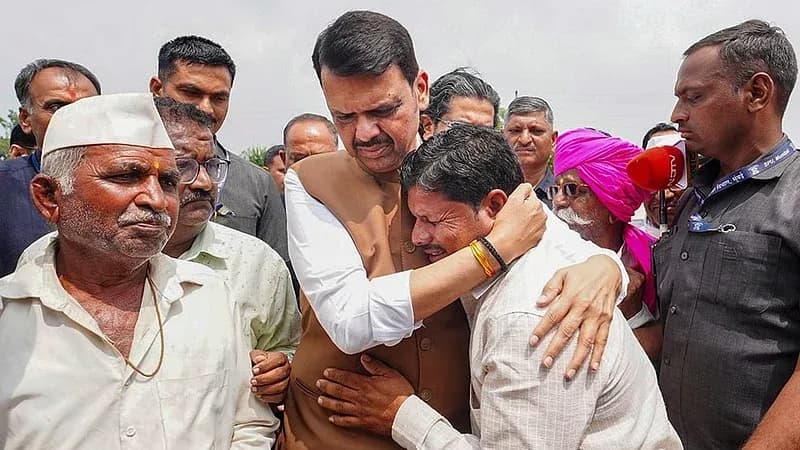
Maharashtra's decision to declare 265 talukas drought-affected has triggered questions from both ruling alliance leaders and the Opposition. While some areas represented by Mahayuti leaders have been excluded, the MVA has questioned the transparency of the assessment process.
Parliament is not only a law-making institution. It is also an important mechanism for holding the government accountable.
Members of Parliament can raise questions about government decisions, expenditure, development programmes and public issues. Parliamentary committees can also examine government policies and administrative functioning in greater detail.
This system of scrutiny is essential because democratic governance requires elected governments to remain answerable to the people.
The Importance of Opposition Parties
A strong opposition is another important part of parliamentary democracy. Opposition parties examine government policies, challenge decisions and present alternative viewpoints.
Political disagreements are a natural part of democratic politics. Debate between the government and opposition can help bring different perspectives into public discussion.
However, parliamentary democracy also depends on constructive debate. Political competition becomes more meaningful when disagreements focus on policies, governance and issues affecting citizens.
Parliament and Political Parties
Political parties (opens in a new tab) play a major role in determining how Parliament functions. Members generally represent their parties while participating in legislative debates and voting.
The presence of multiple political parties allows different social, regional and economic interests to receive representation.
National parties often focus on issues affecting the entire country, while regional parties can bring specific state and regional concerns to Parliament. This combination contributes to the diversity of India's political system.
Why Parliamentary Debate Matters
Parliamentary debate allows important national questions to receive public attention. Issues related to education, employment, infrastructure, healthcare, economic development, national security and social welfare can all become subjects of legislative discussion.
Debate also creates an official record of the positions taken by elected representatives. This makes parliamentary proceedings an important source for understanding India's political development.
At the same time, disruptions and prolonged political confrontations can affect legislative productivity. Maintaining a balance between strong opposition and productive parliamentary functioning remains an important challenge for India's democracy.
The Future of Indian Parliamentary Politics
Indian politics continues to evolve as voters become more politically aware and digital media changes the way political information reaches citizens.
Young voters, regional issues and new forms of political communication are increasingly influencing political discussions. Social media has also created new opportunities for politicians and parties to communicate directly with citizens.
In this changing environment, Parliament remains an essential institution for democratic representation.
The future of Indian democracy will depend not only on elections but also on the quality of parliamentary debate, transparency in governance and the ability of political representatives to address the concerns of citizens.
Conclusion
Parliament represents one of the strongest foundations of India's democratic system. It brings together elected representatives from different parts of the country and provides a platform for legislation, debate and government accountability.
As India's political landscape continues to change, the importance of Parliament is likely to remain central. A healthy democratic system requires informed citizens, responsible political parties, an effective opposition and productive parliamentary debate.
Understanding how Parliament works therefore helps citizens better understand Indian politics and the democratic processes that shape the country's future.
“Parliament is one of the most important institutions in Indian democracy. From debating laws and national policies to representing the concerns of citizens, Parliament plays a central role in shaping the country's political and democratic future.”
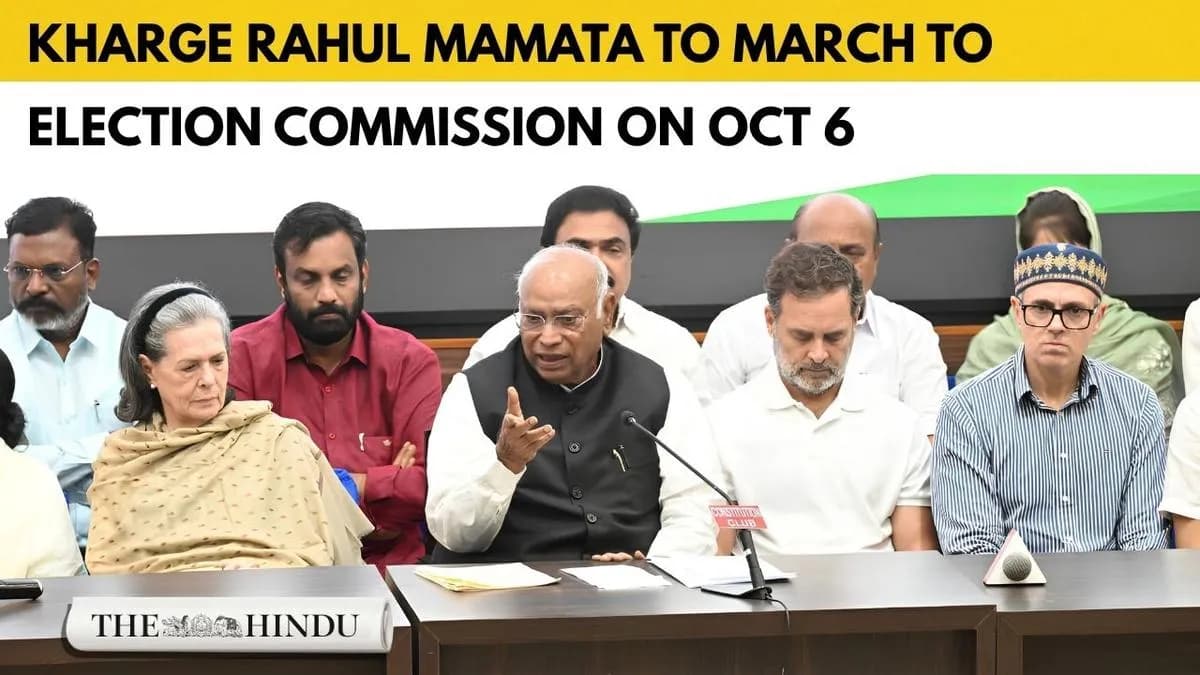
The INDIA bloc has announced a nationwide campaign over concerns related to the Election Commission and electoral processes. The Opposition plans protests, a march to the Election Commission headquarters, and a legal challenge to provisions of the Chief Election Commissioner Act, 2023.
Discussions between Chief Minister C. Joseph Vijay's Tamilaga Vettri Kazhagam (TVK) and the Pattali Makkal Katchi (PMK) have intensified, with reports suggesting alliance talks and possible Cabinet representation. However, no official announcement has been made by either party.
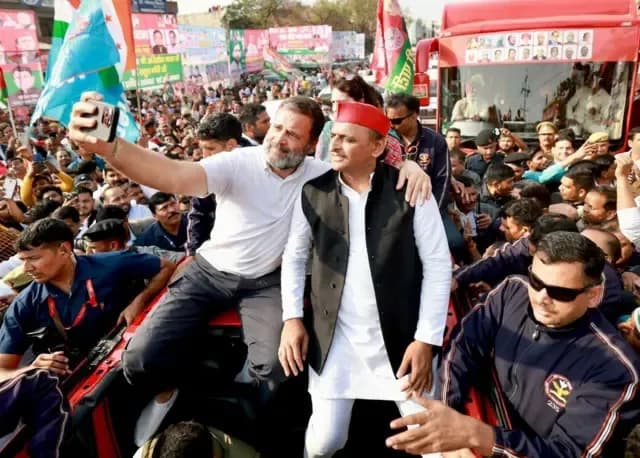
With the Uttar Pradesh Assembly election approaching in 2027, the Samajwadi Party and Congress are working to strengthen their alliance after their improved performance in the 2024 Lok Sabha elections. Political observers believe the opposition has an important opportunity, but unity and effective seat-sharing will be crucial.
By Shivani CH • 96 views
Goa's political activity is intensifying ahead of the 2027 Assembly election as AAP and Goa Forward Party continue with their “Goa First” alliance, while reports of Congress-GFP discussions create fresh questions about the opposition's electoral strategy. The BJP is also strengthening its organisation, while the electoral-roll revision issue remains in focus.