JP Nadda Targets Rahul Gandhi Over INDIA Bloc Rally: BJP Accuses Opposition of Creating Political Unrest
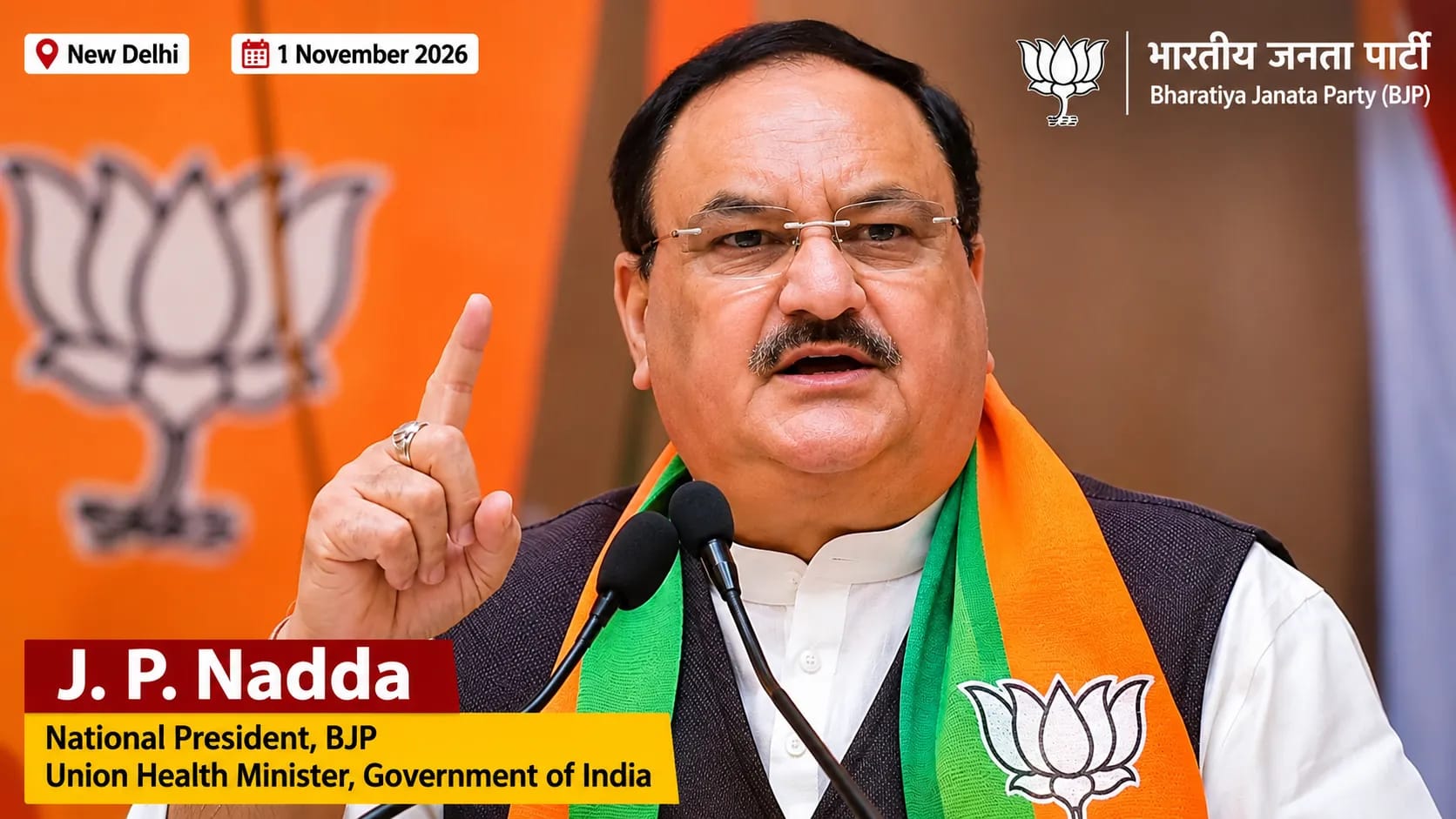
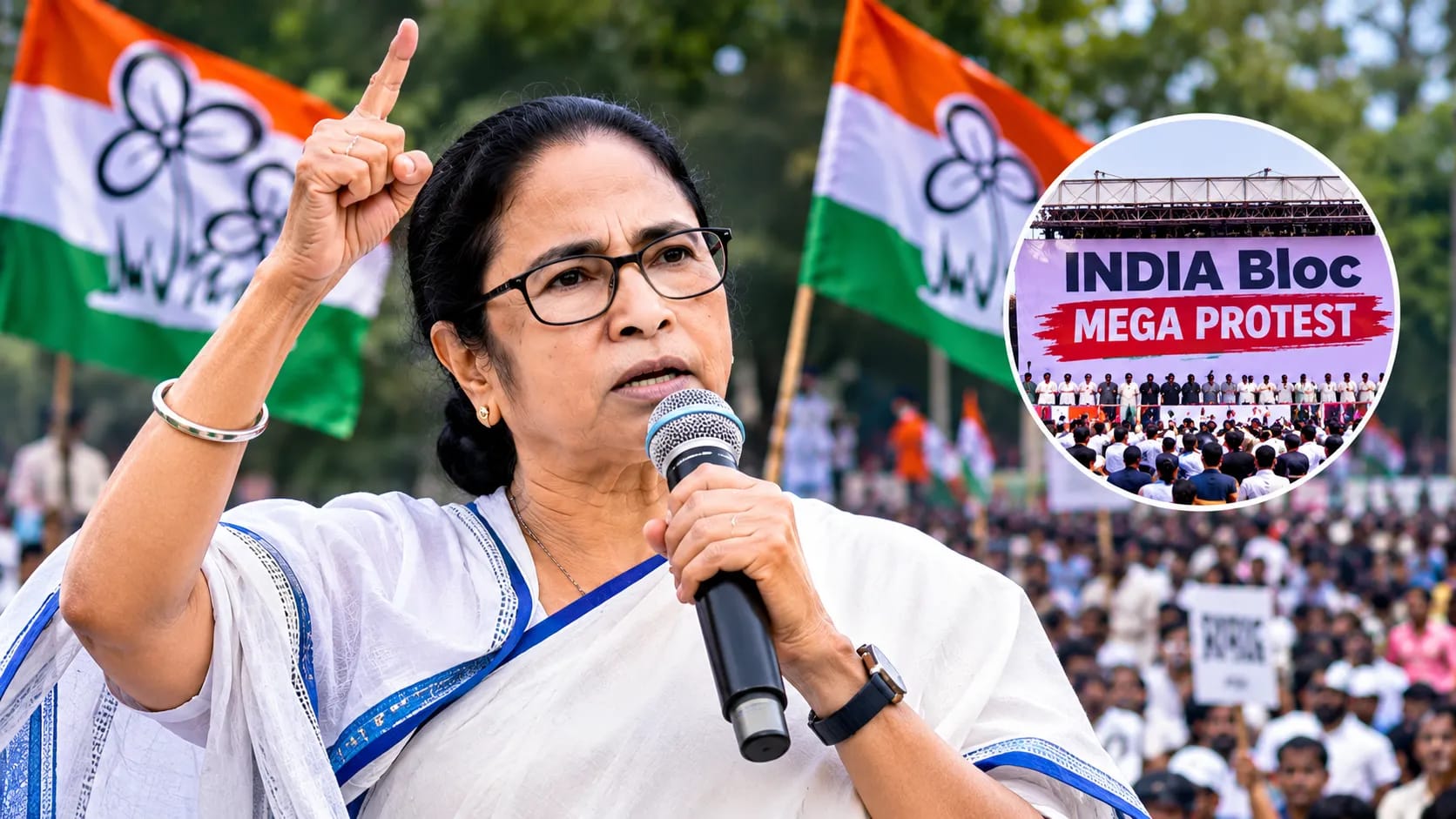
The political confrontation between the Bharatiya Janata Party (BJP) and the INDIA opposition bloc intensified on November 1 as Union Minister and BJP leader J. P. Nadda launched a strong attack on Congress leader Rahul Gandhi ahead of the opposition's major rally at Ramlila Maidan in New Delhi.
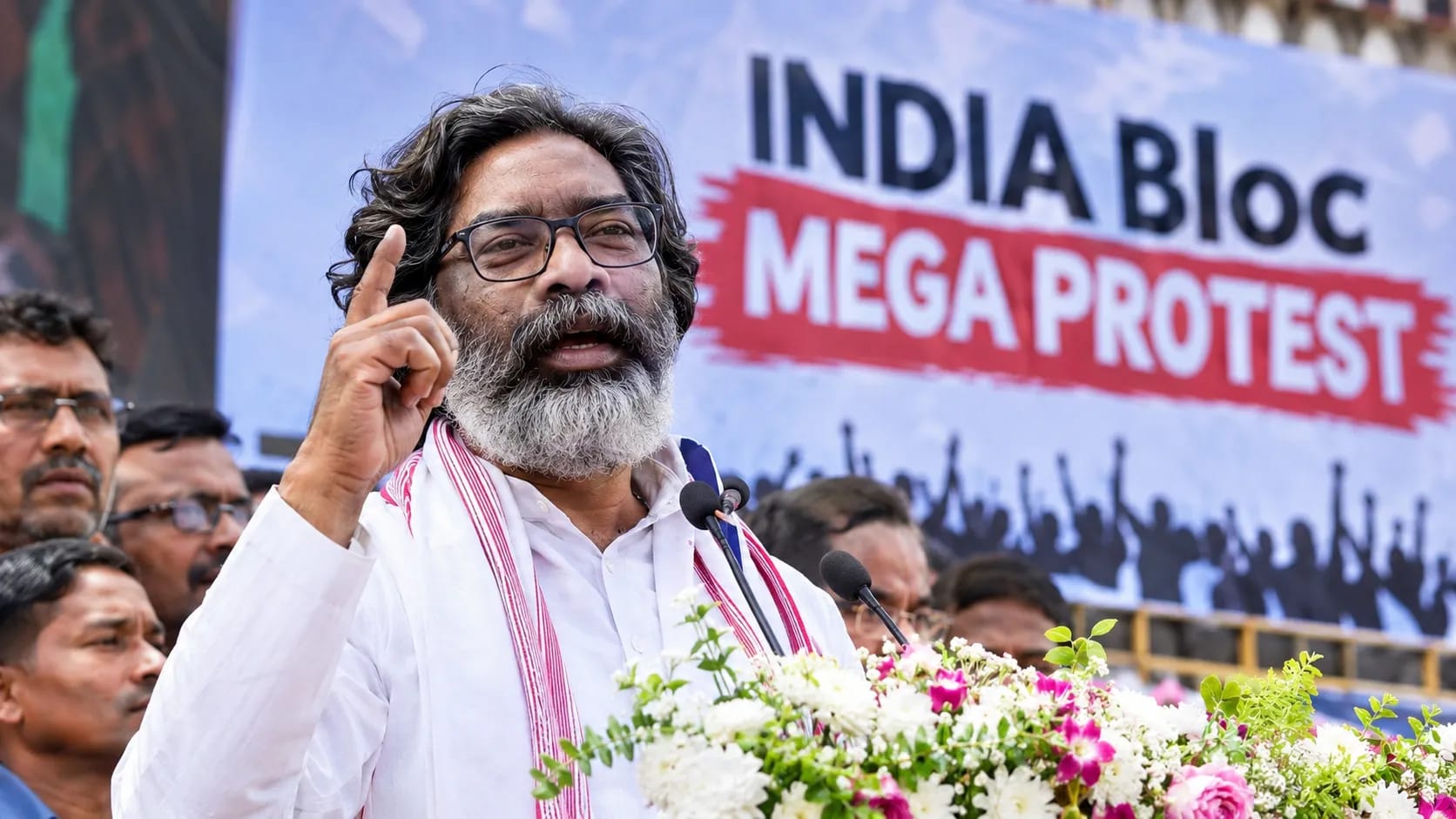
The INDIA bloc organised the demonstration to protest against the Special Intensive Revision (SIR) of electoral rolls and demand the resignation of Chief Election Commissioner Gyanesh Kumar. Opposition leaders alleged that the voter-list revision process could result in eligible voters being excluded.
The BJP also questioned the timing of the rally, which took place on November 1, the anniversary of the beginning of the 1984 anti-Sikh riots following the assassination of former Prime Minister Indira Gandhi.
The exchange has added another chapter to the ongoing political confrontation between the ruling BJP and opposition parties over electoral transparency, institutional accountability and the conduct of political demonstrations.
JP Nadda Calls INDIA Bloc Rally a Politically Orchestrated Exercise
In his public remarks, J. P. Nadda described the INDIA bloc's Ramlila Maidan demonstration as a politically orchestrated exercise.
He accused Rahul Gandhi and the Congress leadership of attempting to create instability under the banner of democracy.
Nadda argued that political parties should respect constitutional institutions rather than question their credibility without sufficient evidence.
He also accused the opposition of trying to create an atmosphere of disorder and weaken public confidence in democratic institutions.
These comments represented the BJP leadership's political response to the allegations raised by the opposition.
BJP Questions Rahul Gandhi Over the Rally
Nadda directly targeted Rahul Gandhi, questioning the Congress leader's approach towards political mobilisation.
He accused Gandhi of pursuing a politics of disruption and alleged that the opposition was attempting to destabilise an elected government.
Nadda also argued that India's democratic system operates under the Constitution and the mandate of voters.
The BJP's criticism came as Rahul Gandhi and other opposition leaders were preparing to address supporters gathered at Ramlila Maidan.
Controversy Over the 1984 Anti-Sikh Riots Anniversary
One of the major points raised by Nadda concerned the date chosen for the INDIA bloc rally.
November 1 marks the anniversary of the beginning of the 1984 anti-Sikh violence, which followed the assassination of former Prime Minister Indira Gandhi on October 31, 1984.
Nadda criticised the Congress for organising a major political demonstration on a date associated with the suffering of the Sikh community.
He referred to the victims and their families and accused the Congress leadership of failing to adequately acknowledge the historical tragedy.
BJP Raises Concerns About Delhi's Traders and Small Businesses
Nadda also criticised the INDIA bloc for holding a large political rally during the festive shopping season.
He argued that demonstrations and road restrictions could affect small traders, shopkeepers, street vendors and businesses in central Delhi.
BJP Organises a Counter-March in Haryana
The BJP also launched a parallel political mobilisation in Haryana on November 1.
BJP national president Nitin Nabin led the party's 'Loktantra Bachao, Arajakta Hatao' march in Rohtak.
The campaign was presented by the BJP as a response to the opposition's allegations concerning SIR and electoral transparency.
Haryana Chief Minister Nayab Singh Saini and other BJP leaders were associated with the programme.
The party said the campaign was intended to counter what it described as misinformation and political propaganda by the opposition.
What Is the INDIA Bloc Demanding?
The INDIA bloc's November 1 rally focused on the Special Intensive Revision of electoral rolls.
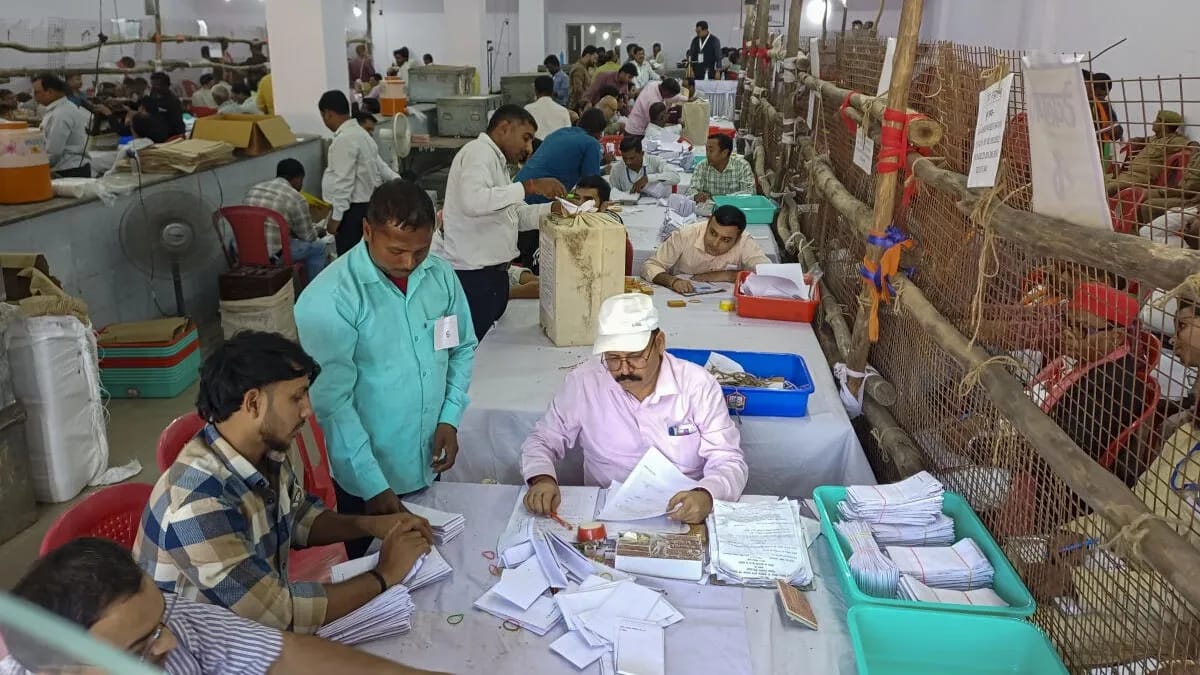
The opposition raised concerns that the exercise could remove eligible voters from electoral lists and demanded accountability from the Election Commission.
Its principal demands included:
Resignation of Chief Election Commissioner Gyanesh Kumar.
Greater transparency in the SIR process.
Protection of eligible voters from wrongful exclusion.
Accountability in the preparation and revision of electoral rolls.
Action on complaints concerning alleged electoral irregularities.
Conclusion
J. P. Nadda's criticism of Rahul Gandhi, the BJP's objections to the rally's timing and the parallel march in Haryana demonstrate the ruling party's political response to the opposition's campaign against SIR.
The INDIA bloc continues to demand accountability from the Election Commission, while the BJP maintains that the opposition is making politically motivated allegations.
The debate is no longer limited to one rally. It has become part of a wider national discussion about electoral transparency, constitutional institutions and political accountability.
Join the discussion
Comments (0)