Odisha's Electoral Politics Under the Spotlight: BJP, BJD and Congress Face Questions Over Voter-List Transparency
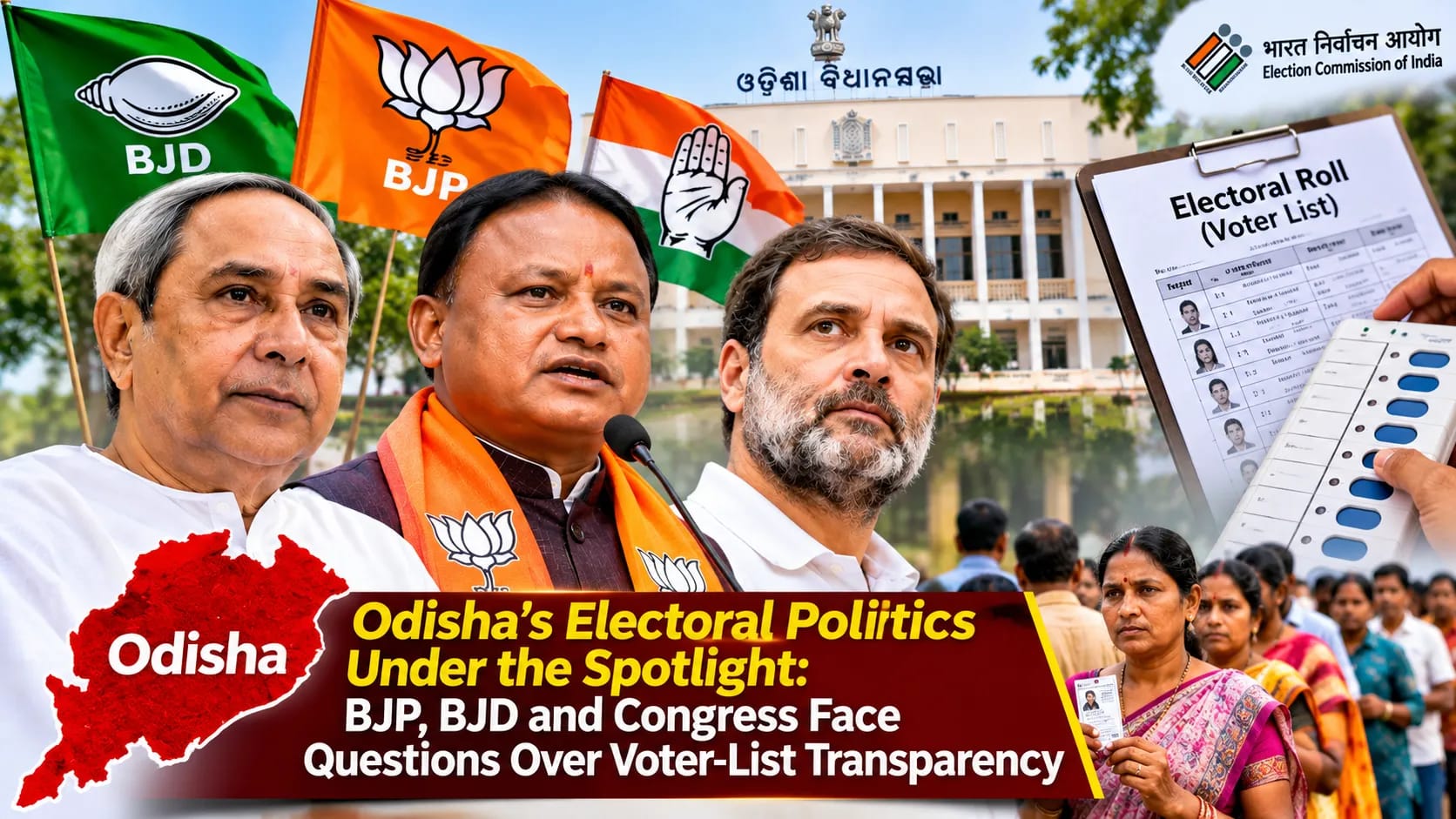
Odisha is one of the most politically important states in Eastern India. Its political landscape has undergone a significant change since the BJP formed the state government in 2024, ending the long period of BJD rule under Naveen Patnaik.
The BJP, BJD and Congress remain the three major political organisations to watch in the state.
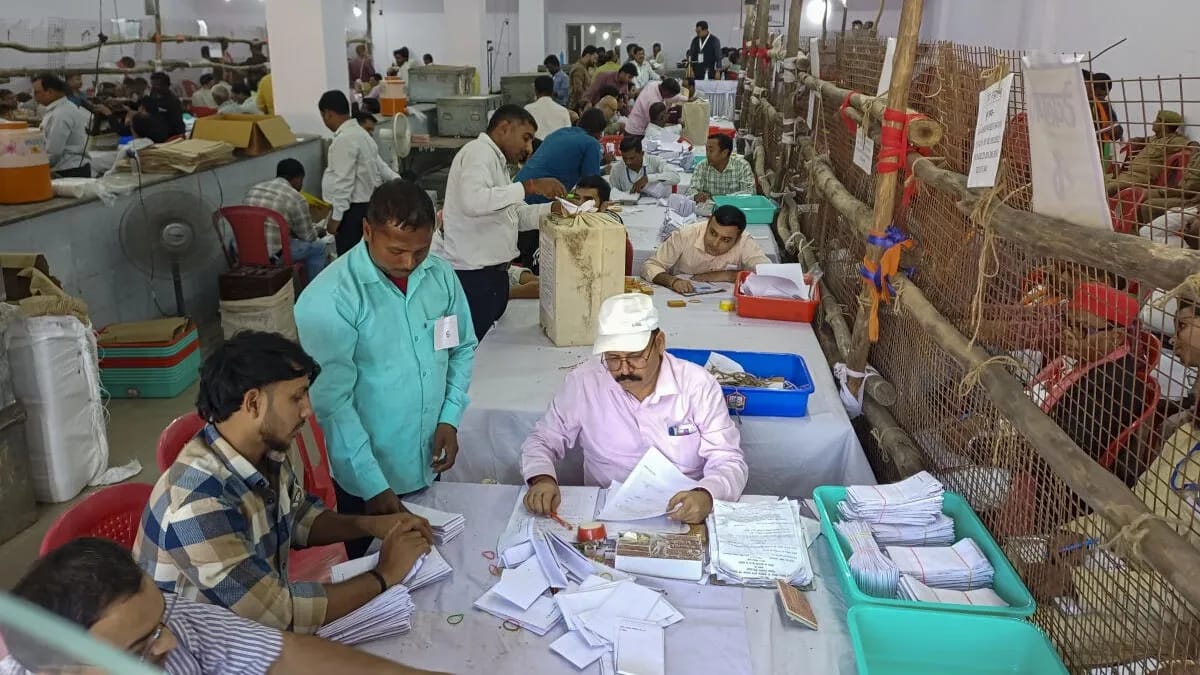
Now, the Election Commission's Special Intensive Revision of electoral rolls has created another important issue for political discussion.
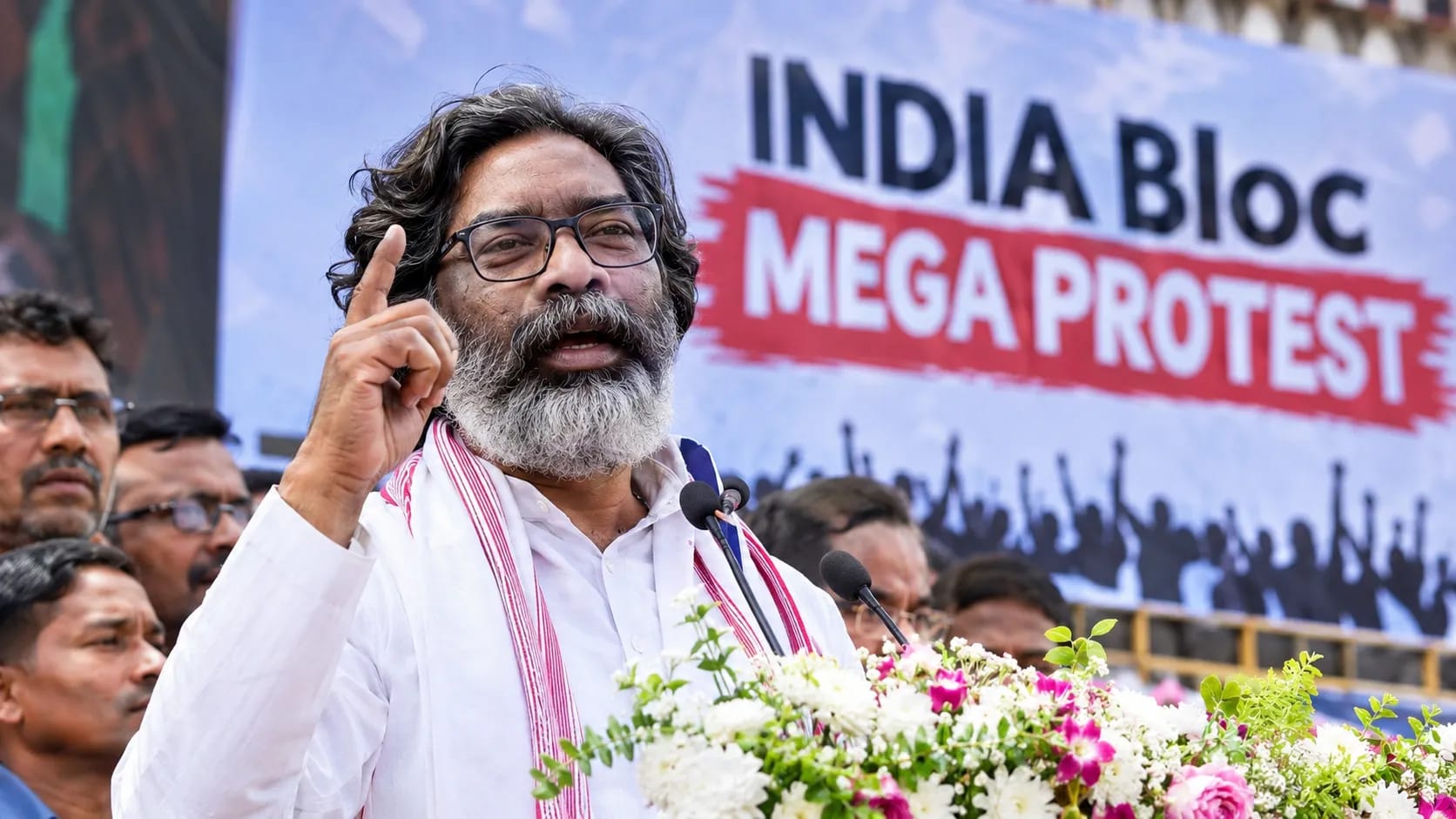
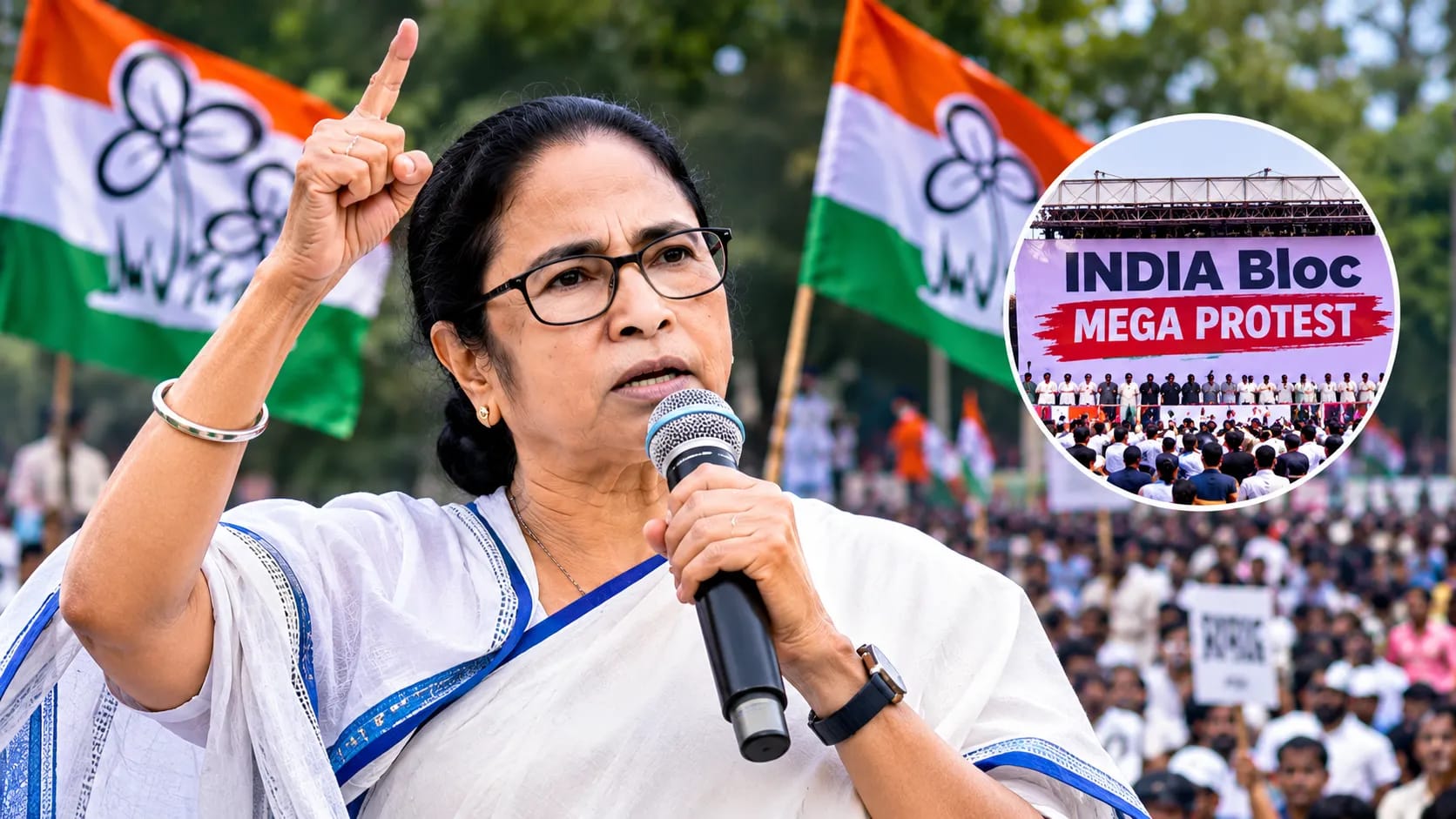
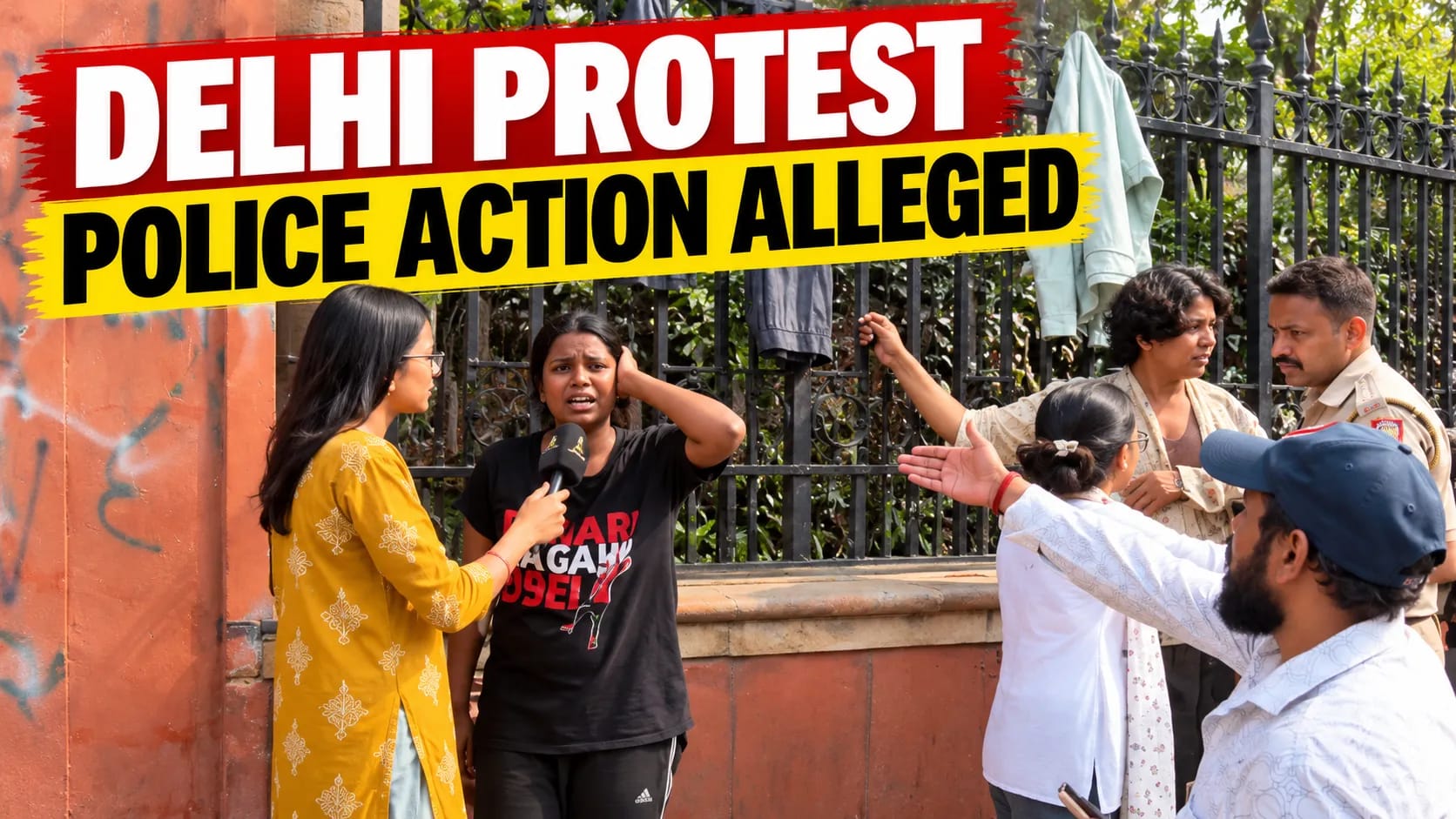
As opposition leaders from West Bengal and Jharkhand join the November 1 protest in Delhi, Odisha's political parties also face questions about electoral transparency and the protection of voters' rights.
What has the Election Commission officially announced?
The Election Commission's published SIR timetable includes Odisha among the states covered in an earlier revision phase.
The official schedule identifies:
Activity & Official date
Qualifying date: July 1, 2026
House-to-house visits: May 30–June 28
Draft electoral roll : July 5
Claims and objections: July 5–August 4
Final electoral roll: September 6
BJP's political position
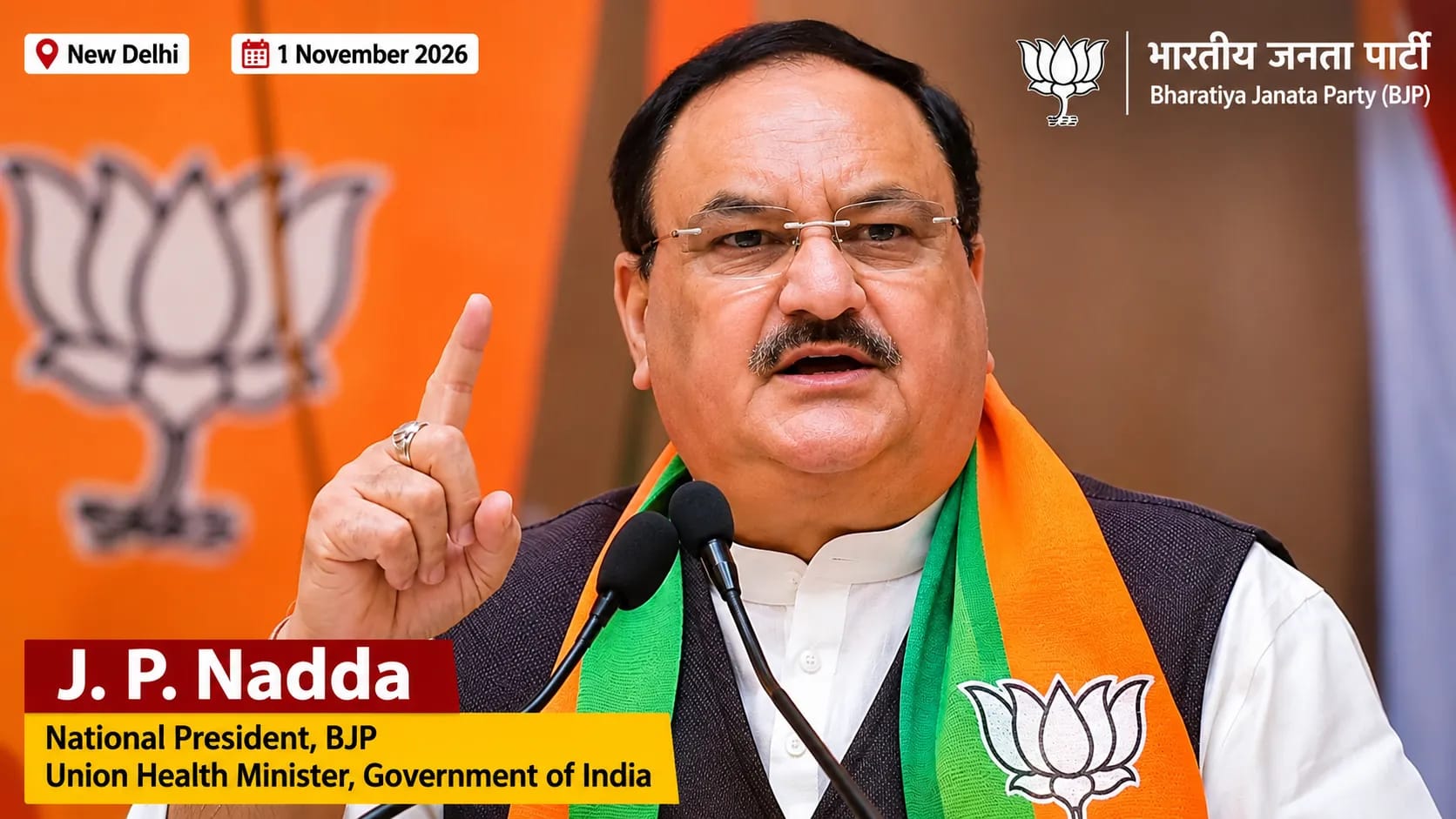
The BJP is the governing party in Odisha.
Its political responsibility includes ensuring that the state's electoral administration operates according to the applicable rules and that eligible citizens can exercise their voting rights.
The BJP's position on the national INDIA bloc protest should be distinguished from its responsibility for state governance.
No fresh, verified statement from the Odisha BJP leadership specifically addressing today's Ramlila Maidan protest has been established in the sources reviewed.
BJD: The regional opposition's position
The Biju Janata Dal remains a major regional political organisation under Naveen Patnaik.
The BJD has its own political identity and is not automatically part of the Congress-led INDIA bloc's position.
For Indian Rajniti, an important question to investigate is whether Naveen Patnaik or the Odisha BJD leadership will issue a specific statement on the national SIR controversy.
A statement should be published only after checking the party's official communication channels.
Congress in Odisha
The Odisha Congress is another important party to watch.
Congress's national leadership is leading the November 1 protest, making its Odisha unit relevant to the campaign.
The key issues for its state unit include electoral transparency, voter registration and coordination with other opposition organisations.
However, the national Congress position should not automatically be presented as a separate statement from the Odisha Pradesh Congress Committee.
Why Odisha matters
Odisha's political significance comes from its combination of a strong regional opposition and a BJP-led government.
The BJD's response to the national opposition campaign will be particularly interesting because the party has historically maintained an independent regional political identity.
The Congress, meanwhile, may seek to use the national electoral transparency debate to strengthen its political visibility in the state.
What happens next?
The next developments to monitor include:
Official statements from Naveen Patnaik and the BJD.
Responses from Odisha BJP leaders.
Odisha Congress's position on the SIR controversy.
Any official clarification from the Chief Electoral Officer, Odisha.
Public complaints or clarifications concerning electoral-roll entries.
Conclusion
Odisha's electoral politics cannot be understood only through the national BJP-versus-Congress confrontation.
The BJP, BJD and Congress each have distinct political interests. The SIR debate creates an opportunity to examine how these parties approach electoral transparency and voter representation.
For Eastern India, Odisha should remain a central part of political reporting rather than being overshadowed by developments in Delhi, Bihar or West Bengal.
Join the discussion
Comments (0)