Karnataka Politics: Development, Governance and Political
BREAKING
UP MLC Election Results 2026: BJP and Samajwadi Party Win Key Seats as Counting Continues • Karnataka MLC Polls 2026: BJP-JD(S) Alliance Secures All Four Seats • Bihar MLC Elections 2026: Jan Suraaj Wins Darbhanga Graduate Seat as Results Emerge • Congress and BJP Step Up Political Campaigns Ahead of 2027 Assembly Elections • Rajya Sabha Secretariat Seeks Report on John Brittas’ Alleged Assault During Protest
Karnataka Politics: Development, Governance and Political Competition Take Centre Stage
Haripriya 8 Sept 2026 2 min read 171 views
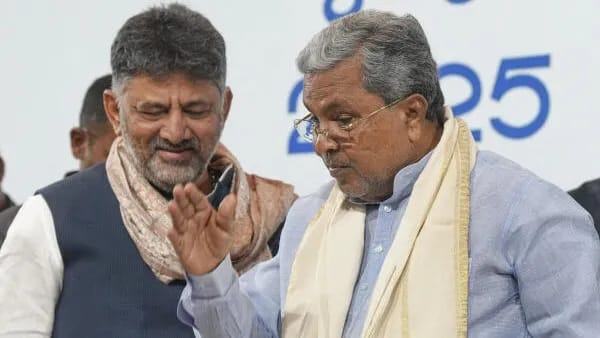
Karnataka continues to occupy an important position in Indian politics, with Bengaluru serving as a major economic and technology hub while political developments across the state attract national attention.
The state's political landscape remains competitive, with the ruling government facing pressure to deliver on development promises while opposition parties are working to strengthen their organisation and connect with voters.
Governance and Development Remain Key Issues
For the Karnataka government, development and effective governance remain major priorities. Bengaluru's traffic congestion, infrastructure requirements, urban planning and public transport continue to generate considerable public discussion.
बीकापुर में बड़ी जनसभा, मायावती को पांचवीं बार मुख्यमंत्री बनाने का दावा, बाकी पार्टियों से आगे निकली बसपा
Beyond Bengaluru, issues such as irrigation, agriculture, employment, education and rural infrastructure are also important for voters across Karnataka.
The government's performance on welfare programmes and development projects is likely to influence public perception as political parties prepare for future electoral battles.
Congress Faces Political Pressure
The ruling Congress government must balance its welfare agenda with demands for economic development and improved public services.
Opposition parties, particularly the BJP, are expected to use Assembly debates and public campaigns to question government decisions and highlight issues concerning voters.
The political contest is therefore not limited to policy differences. Leadership, party organisation and public communication are becoming increasingly important.
Assembly Politics Gains Attention
The Karnataka Legislative Assembly remains an important platform for discussions about the state's major challenges. Debates surrounding budgets, welfare programmes, infrastructure and government policies frequently become politically significant.
Coverage of the Vidhan Sabha (opens in a new tab) helps readers follow important Assembly proceedings and understand how the government and opposition are debating issues affecting Karnataka.
Bengaluru and Regional Concerns
Bengaluru remains central to Karnataka's political and economic narrative, but political parties (opens in a new tab) also have to address concerns from other regions.
North Karnataka continues to raise questions surrounding irrigation and regional development, while coastal Karnataka has its own social and economic priorities. The interests of different regions can therefore play an important role in shaping Karnataka's political strategy.
What Could Shape Karnataka's Political Future?
Employment, infrastructure, cost of living, agriculture, education and urban development are likely to remain important issues in Karnataka's political conversation.
Political parties will increasingly focus on demonstrating their achievements while presenting alternative visions for the state's future.
For voters, the key question will be whether political promises translate into visible improvements in everyday life.
Karnataka's political landscape is likely to remain dynamic, with governance, development and political leadership continuing to shape public debate.
Indian Rajniti will continue tracking Karnataka's political developments, government decisions, Assembly proceedings and important political events across the state.
“Karnataka continues to remain a key political battleground as the government faces questions over development, welfare, infrastructure and governance, while opposition parties work to strengthen their political strategy.”






Join the discussion
Comments (0)